




Abstract

A2 Technologies
Application Note: Metal Coating Types and Thickness Analysis with Exoscan
According to a new application note by A2 Technologies, its hand-held FTIR system Exoscan has the performance capability to provide accurate measurement of anodization thickness and type on large parts, without the need to dissemble or otherwise modify the part for testing. The new application note, entitled “Metal Coatings Analysis Using the Exoscan Hand Held FTIR,” demonstrates why the Exoscan is ideal for nondestructive analysis of samples that are too large to bring to the laboratory or too valuable to require a small portion to be removed for analysis.
For more information, visit www.a2technologies.com, e-mail
Exoscan
According to A2 Technologies, its Exoscan is the smallest, most compact FTIR spectrometer available on the market, is designed to move spectroscopy out of the laboratory and into the field for nondestructive on-site surface and bulk analysis applications. Weighing less than 7 lb, the A2 Technologies Exoscan features ease of use coupled with analytical performance that A2 says rivals far larger and more expensive traditional analytical FTIR spectrometers. Exoscan also is capable of handling attenuated total reflectance applications.
Exoscan is powered by an on-board rechargeable Lithium ion battery or from AC power, and features interchangeable internal reflectance and external reflectance sampling interfaces. The Exoscan is controlled and operated via a PDA device.
For more information, visit www.a2technologies.com, e-mail
Aalborg
Model XFM Thermal Mass Flow Meter
According to Aalborg, this new thermal mass flow meter is designed for convenience, can be programmed remotely, and offers superior performance through its ability to store calibration data for 1–10 gases, and conversion factors for up to 32 gases. Accuracy is ±1% of FS at calibration temperature and pressure. Additional XFM Features include aluminum and stainless steel models, digital interface RS485, RS231 (with or without LCD displays), and optional Profibus DP (with I&M functionality). Aalborg's XFM Digital Thermal Mass Flow Meters are NIST traceably calibrated, individually programmed and manufactured in Aalborg's ISO 9001 Certified Facility.
For more information, visit www.Aalborg.com, e-mail
Adept Technologies
2008 Global Conference CD
A CD featuring the presentations shown at the Adept Global Conference 2008 is now available at no charge. Presentations on the CD include third-party speaker presentations from Evergreen Solar, Great Lakes Cheese, Medical Design magazine, Packaging Machinery Manufacturers Institute, Pepperidge Farm, and the Robotic Industries Association. Also, included are Adept presentations on future technologies, software, hardware, controls, vision, robots, and more.
For more information or to request a free copy of the CD, visit
Advion BioSystems
RePlay MS Analysis System
RePlay is a new nanoLC tool that provides proteomic researchers with two complementary MS analyses from one injection. Suited for rapid identification of proteins and structural identification of post-translational modifications, RePlay splits a chromatographic run into two separations, directing one to the MS for analysis while simultaneously directing the other into the capture cartridge. Once the initial MS analysis completes, RePlay switches flow and the captured chromatographic separation is then analyzed while the nanoLC system re-equilibrates, thereby increasing mass spectrometer utilization time while decreasing the need for extra time and sample.
Compatible with all nanosprayers, including MS vendor-supplied sprayers, third-party sprayers, pulled capillaries, and the ESI Chip, RePlay also is compatible with existing nanoLC systems and mass spectrometers.
For more information, visit www.advion.com.
FloTek Digital Nanoflow Meter
According to Advion BioSystems, its FloTek digital nanoflow meter allows nanoLC users to quickly and accurately determine flow rates from existing nanoLC system. The FloTek device is intended to monitor nanoLC performance as well as assist in diagnosing nanoLC system issues. It can be used in conjunction with RePlay or as a stand-alone device.
For more information, visit www.advion.com.
Air Science
DWS Downflow Workstations
According to Air Science, its new DWS range of Downflow Workstations offer operator safety where routine work is being carried out. These units operate at low noise levels, and because they recirculate, they do not exhaust expensive conditioned and/or heated air into the atmosphere. The DWS Workstations are designed to provide a small bench mounted unit with unrestricted access for those operations that are difficult to perform in a conventional fume hood.
For more information, visit www.air-science.com or www.airscienceuk.com, or e-mail
American Peptide Company
Total Peptide Management Program
This new customized service platform comprises a set of comprehensive services, including process development; scale-up production; analytical and process validation; stability studies; chemistry, manufacturing, and controls; drug master files; and regulatory support. This platform complements the company's suite of advanced peptides to provide customers with efficient, high-quality, and cost-effective peptide management solutions.
For more information, visit www.americanpeptide.com.
ARTEL
Online Resource Library
A valuable feature of ARTEL's newly launched Web site is its Resource Library, which includes information on all aspects of liquid handling. This tool provides visitors access to a number of technical papers, informational case studies, application notes, scientific presentations, and ARTEL lab reports.
For more information, visit www.artel-usa.com.
Aspectrics
CD-Rom for Biodiesel Analysis
This free of charge CD-Rom, entitled “Aspectrics Biodiesel Analyzer” contains information related to biodiesels, feed stocks, and general analysis, including an Aspectrics Biodiesel Quality Analyzer (BQA 1000) demonstration video, a BQA data sheet and the BQA 1000 User Guide. It also includes two application notes on B100 Quality and Biodiesel Blends, and highlights the BQA 1000s range of applications.
For more information, visit www.aspectrics.com.
Astech Projects
REACTS Automation Maintenance Service
REACTS (Rapid, Effective And Complete Technical Support) combines Astech's automation experience and engineering expertise. In addition to existing Astech automation specialists, the company has recruited 4 engineers with many years' experience working with top 10 pharma companies worldwide. The new REACTS team provides automation installation and maintenance services, and technical support for any automation system in the drug discovery and pharmaceutical manufacturing sectors throughout Europe, North America, and Asia.
For more information, visit www.astechprojects.com.
Aurora Biotechnologies
384-IQ Microplates
Aurora Biotechnologies has launched a new series of 384-well microplates for the life science research. According to the company, its 384-IQ microplates are considered ideal for HCS scientists who require a high-performing imaging microplate with extraordinary flatness and optical clarity properties.
The 384-IQ microplates are available in black, white, and clear with options for solid or film bottoms. The new microplates also offer an evaporation barrier well design for the control of evaporative edge effects. The microplates are available with either chamfered-square wells or low-volume round wells. All plate configurations meet SBS and ANSI standard requirements. The new 384-well microplates are made from the same high-performance COP that is exclusive to Aurora Biotechnologies' current 1536-well and 3456-well microplate products.
For more information, visit www.aurorabiotechnologies.com.
Beckman Coulter
FIBERLite Rotors for Avanti J Series
Two new FIBERLite Rotors for the Avanti J Series High-Performance Centrifuge Systems. The comprehensive list of choices for these models now includes the new lightweight carbon fiber rotors, the Avanti JLA-Lite high-performance rotors, as well as traditional aluminum offerings.

The new 14 × 50-mL conical fixed-angle and 6 × 250-mL fixed-angle FIBERLite rotors were co-developed by Beckman Coulter and Piramoon Technologies and have been tested to ensure optimal performance on the Avanti line of centrifuges. These lightweight carbon composite rotors are fully compatible with Beckman Coulter's exclusive rotor identification system. Both new rotors are offered with a full complement of adapters. The new 14 × 50-mL rotor spins 14 50-mL conical tubes up to 33,500g. The 6 × 250-mL rotor accommodates tubes from 3 to 250 mL and can reach forces up to 30,000g.
For more information, visit www.beckmancoulter.com.
ProteomeLab Analytical Ultracentrigures with Aviv Biomedical Fluorescence Detection Systems
Aviv Biomedical is now authorized by Beckman Coulter to sell and install its Fluorescence Detection System on fielded Beckman Coulter ProteomeLab XL-A, XL-I analytical ultracentrifuges. The ProteomeLab XL-A, XL-I provides analysis of heterogeneity, stoichiometry, interacting/self-associating systems, and molecular conformation. The system measures proteins and other macromolecules as interacting elements in solution, rather than in isolation, diluted or bound to a substrate. The Aviv Analytical Ultracentrifuge Fluorescence Detection System (AU-FDS) offers a complementary approach to measuring molecular interaction and aggregation behavior.
The fluorescent labeling of a single component in a mixture enables users to validate drug lead efficacy by confirming that it only binds to the desired substrate and not to other components. With the new AU-FDS accessory, the XL-A, XL-I's core absorbance/interference detection can be run sequentially with the fluorescence optical system. In addition to rigorous characterization, the XL-A, XL-I technology measures relative changes in the distribution of molecular weights and enables the collection of many simple yes/no answers, for quick and efficient investigations.
The AU-FDS can be used with all Beckman Coulter rotors and centerpieces. The accessory is sold and installed by Aviv Biomedical, and Beckman Coulter will validate the installation.
For more information, visit www.avivbiomedical.com or www.beckmancoulter.com.
Biotage
Advancer Kilobatch
The new Advancer Kilobatch large-scale automated sequential batch microwave synthesizer is designed for safe and scalable production of up to kilogram quantities of material. According to Biotage, unlike traditional microwave batch and flow reactors, the Advancer Kilobatch is capable of processing both heterogeneous and homogenous reaction mixtures in automated batch-sequencing mode. Safe, reliable, and easy to use, the Advancer Kilobatch operates at the high temperatures and pressures required for microwave chemistry.
For more information, visit www.biotage.com, or e-mail
BMG LABTECH
PHERAstar Plus
A new version of the microplate reader PHERAstar is available from BMG LABTECH. The PHERAstar Plus features advanced HTRF/TR-FRET, advanced luminescence, and advanced fluorescence polarization reading modes by integrating the latest technological advancements in optics and electronics. Coupled with the new powerful data-analysis software package MARS, these new features extend the application versatility of the PHERAstar Plus.

According to BMG LABTECH, the PHERAstar Plus is the only microplate reader on the market with five photomultiplier tubes and simultaneous dual emission technology optimized for specific reading modes and the capability to capture TR-FRET decay curves in real time for assay optimization.
For more information, visit www.bmglabtech.com/products/microplate-reader/instruments.cfm?product_id=9.
Brinkmann Instruments
RDT Metz Heater Shaker
According to Brinkmann Instruments, its new RDT Metz Heater Shaker offers heating and shaking in a single compact unit, and fits easily onto any bench or into any fumehood. Reactions or incubations are performed in a removable reaction block that fits securely into the heated platform, which rotates in a circular orbit for efficient mixing of the reactants. The new Metz Heater Shaker is flexible, accommodating reaction blocks that accept different size tubes or multiple microtitre plates. Reaction blocks also can be customized to accept vessels for specific applications.
For more information, visit www.brinkmann.com or www.radleys.com, or call 800.645.3050, ext. 2388 or +44.1799.513320.
Clinical and Laboratory Standards Institute
Infobase 2008
Infobase 2008 is a user-friendly, searchable CD-Rom that includes over 180 CLSI standards and guidelines for medical testing best practices, including all approved- and proposed-level documents published through December 31, 2007. Infobase 2008 features enhanced search capabilities to quickly and easily search titles, key words, abstracts, or the full document text, including searches for relevant text within multiple documents using sophisticated linking capabilities.
For more information, visit www.clsi.org, e-mail
ClinPhone
Combined EDC-IVR Solution
ClinPhone's new combined electronic data capture (EDC) and Interactive Voice Response/Interactive Web Response (IVR/IWR) solution integrates DataLabs by ClinPhone (EDC) and ClinPhone's Randomization, Trial Supply Management and ePRO solutions (IVR/IWR). According to ClinPhone, total assurance of the accuracy of data shared between applications is guaranteed through ClinPhone's Connect integration platform, complete with a full integration audit trail.
For more information, visit www.clinphone.com, or e-mail
DataLabs by ClinPhone v4.2
According to ClinPhone, this new release of its electronic data capture (EDC) software builds on its hybrid technology incorporating EDC and paper data management in a single platform. DataLabs v4.2 offers advancements in managing workflow at the item level, case report form routing and messaging, event notifications, and improvements in its user-friendly interface and design.
For more information, visit www.clinphone.com, or e-mail
ESA Biosciences
Simultaneous Measurement of Cations and Anions
ESA Biosciences presents a simple and reliable HPLC method for simultaneous measurement of cations and anions using its Corona CAD universal detector. Because positive ions (cations) and negative ions (anions) are key components of everything from pharmaceuticals to food and beverages to fine chemicals, analysis of these atoms and molecules is considered a critical step in product development and QA/QC. According to ESA Biosciences, the new Corona CAD method is more efficient than traditional techniques, because it measures anions and cations in a single run, and it is also more accurate, reliable, and cost effective. This new method combines the CAD's universal detection with hydrophilic interaction chromatography.
For more information, visit www.esainc.com/docs/spool/70-8166_Multi-ions_by_HILIC-CAD.pdf.
Falcon Electric
FH Series Uninterruptible Power System
According to Falcon Electric, its new FH Series Uninterruptible Power System is specifically designed for the unique power demands of sophisticated biomedical and laboratory equipment, and ensures the highest level of pure power to protect valuable tests and scientific processes. Analyzers, spectrometers, sequencers, diagnostic equipment, and gas chromatography/mass spectrometer instrumentation all require the highest level of clean power due to their delicate operating parameters and critical nature. By regenerating new, clean AC power, the FH Series eliminates costly testing inaccuracies, ensures sustained runtimes, and lowers maintenance costs.
For more information, visit www.falconups.com, e-mail
GE Healthcare
PreDictor 96-Well Plates and HiScreen Prepacked Columns
A new range of PreDictor 96-well plates and HiScreen prepacked columns are now available to enable high-throughput process development and method optimization. The new products can be used independently, or as consecutive steps in a workflow to screen and optimize chromatographic conditions for bioseparations.
PreDictor 96-well plates support high-throughput process development by allowing parallel screening of chromatographic conditions manually or in an automated workflow. The plates, which are prefilled with a choice of 13 different BioProcess media, enable fast and efficient evaluation of up to 96 chromatography conditions for binding, wash or elution with minimal sample, and buffer consumption. Data generated using PreDictor plates show good correlation with data obtained by column chromatography.
For more information, visit www.gelifesciences.com/bioprocess.
Genevac
Application Case Study: FTS SMART Freeze-Dryer Technology for Freeze-Dry Cycle Development Work
A new application case study discusses how scientists in the R&D divisions of a large pharmaceutical company and a blue-chip biotech firm spent several months using FTS SMART Freeze-Dryer technology for freeze-dry cycle development work.
The study describes how each lab used SMART technology to develop an optimized cycle for a single formulation, and then compares the new approach with traditional cycle development protocol. The study reports how both labs decreased their development times and expenses, thus allowing them to break even on their SMART equipment investment in less than 3 months. The primary savings were achieved through the SMART technology's ability to deliver optimized freeze-dry cycles after just a few experimental runs. The average reduction in experimental lyophilization cycles used by the labs was 78% (from 9 to 2). In addition, the SMART technology approach generated process data that is not available from the traditional freeze-drying methodologies.
For more information, visit www.genevac.com.
EZ-2 Centrifugal Evaporator as Low-Speed Centrifuge
Genevac has announced an operating mode for its EZ-2 centrifugal evaporator that allows it to additionally function as a low-speed centrifuge. By disengaging the condenser and pump while allowing the direct drive motor to run freely, typical speeds in excess of 2000 rpm can be achieved. With a standard swing-out rotor, this equates to roughly 500 g at the sample, enough for applications including precipitation and accelerated phase separation of emulsions. Samples may be heated while being spun.
For more information, visit www.genevac.com.
Guava
RapidQuant IgG Assays
According to Guava Technologies, its Guava RapidQuant IgG Assays for quantification of mouse and human antibodies provide new levels of flexibility and analysis. When used in combination with the Guava Express, Guava ViaCount and other Guava Assays, the new Guava RapidQuant IgG Assays can provide unmatched antibody characterization on a single cellular analysis platform—the Guava EasyCyte Plus System.
These new microplate-based Guava RapidQuant IgG Assays have, according to Guava, raised the bar for IgG titering in tissue culture supernatants. Designed to be time saving, labor saving, and money saving, RapidQuant Assays eliminate the most tedious portions of antibody titering methods. The no wash RapidQuant Assays are bead based and rely on sensitive fluorescence detection for the quantitative measurements. Standard curves are automatically produced by the easy-to-use software interface, removing the need for calculations performed by the user during analysis. The fluorescent intensity is proportional to the concentrations of antibody captured on the beads.
For more information, visit www.guavatechnologies.com.
Hamilton Company
Stacked Tip Frames for MicroLab STAR and Nimbus
The new Stacked Tip Frames for the MicroLab STAR and Nimbus are designed to meet the needs of higher throughput automated pipetting applications. The stacked tips racks come preloaded and prestacked in compact blister packs. With one hand movement close to 2000 tips in (20 racks: 5 stacks of 4 frames each) can be loaded on a carrier at one time. The stacked tip frames are available for 10-, 50-, and 300-μL tip sizes and for both clear and black conductive tip material. The tip racks are designed to fit in a standard SBS format carrier. Because they do not require a special tip carrier, they can be placed interchangeably with other labware, such as a microplate leading to very flexible deck configurations. They can even be loaded automatically in carrousels designed for micro titer plates.

For more information, visit www.hamiltonrobotics.com.
Huber UK
Online Case Studies
Huber UK now offers a new Case Studies section at its Web site that contains useful information for laboratories looking to precisely control the temperature of their applications and processes. Visitors can browse summaries and download case studies on subjects including temperature control of exothermic reactions, effect of flow and pressure on heat transfer coefficients, how to achieve optimal process temperature gradients, and system performance data. The site is regularly updated with new data.
For more information, visit www.huber-uk.co.uk.
Ibidi
μ-Slide Angiogenesis Angiogenesis Assays Carrier
According to ibidi, angiogenesis is one of the fastest growing research fields, as the formation of new blood vessels plays a crucial role in the developmental biology of embryos as well as in cancer research. The most established assays used to analyze new vessel formation in vitro are the tube formation and the sprouting assay. In both cases, the formation of new blood vessels is simulated on a gel matrix. ibidi's new well-in-a-well structure reduces the amount of matrix material and solves the classic meniscus problems. Via the miniaturized system of the inner well, the required amount of matrix is reduced to a value of 10 μL. The unique geometry of the slide places the cells that need to be imaged in the same focal plane, which improves the imaging quality of the assays.
For more information, visit www.ibidi.com.
Jeio Tech
Lab Companion SI-600R Benchtop Shaker
According to Jeio Tech, its new SI-600R Lab Companion combines a benchtop refrigerated Incubator with a dual-action orbital and reciprocating shaker. This versatile unit is designed to fulfill a variety of molecular biology, general incubation, and cell-culture applications. Selectable between orbital and reciprocating action, the speed range is from 10 to 300 rpm. The SI-600-R can be programmed for a run time from 10 s to 1000 h with forward-backward-pause cycles. The platform is 16.1 × 16.1 in. and can be equipped with a wide range of clamps, racks, and platforms. The temperature range is 15–60 °C with uniformity of ±1.0 °C at 38 °C.
For more information, visit www.jeiotech.com, e-mail
Lambda Solutions
Flow-Through Raman System
According to Lambda Solutions, its Dimension FT-ABS represents the first true high sensitivity online Raman System for critical fluid-phase monitoring. The XL-FT features provide exceptional sensitivity and stability. The quartz-teflon cell design offers solvent/acid/base resistance, and LSI RealTime monitoring software and optional integrated UV–Vis absorption extend analytical capability. Wide-ranging applications make the XL-FT ideal for semiconductor wet chemistry, petrochemical production and formulation, fermentation, and chemical reaction monitoring. This Flow-Through System offers 24/7 operation, coverage from 50 to 3000 cm–1 and resolution to 1.5 pixels/cm–1.
For more information, visit www.LambdaSolutions.com, e-mail
MMR Duplex Double Wavelength Micro Raman System
This new unit features modular design with 785 nm/532 nm DM-1 Adapters for Double λ Micro Raman Analysis. The MMR Duplex can be used with each Dimension-P2 independently for Micro Raman, or extend the range of applications with Raman Vector Probes and the External Sampling Module.
The 1.3 mega pixel CMOS Camera is provided for sample Imaging and Capture. For exact positioning, the MMR comes with the LSI-XYZ: Scanning Range is 70 mm × 20 mm; the Z Scanning Range is 17 mm with 1μ steps. All LSI Micro Raman Adaptors are also compatible with Nikon, Olympus, and Zeiss microscope systems. The MMR Duplex is considered ideal for material analysis including polymers, films carbon fibers, and single- and multiwall carbon nanotubes.
For more information, visit www.LambdaSolutions.com, e-mail
MDS Analytical Technologies
ArcturusXT
According to MDS, its next generation ArcturusXT Laser Capture Microdissection (LCM) system uses the latest advances in microscope technology by using the new Nikon Eclipse Ti-E inverted research microscope as its base. The new ArcturusXT system is an advanced version of the first system introduced in 2007. It is the only fully open and modular microdissection system to combine infrared laser-enabled LCM and ultraviolet laser cutting in a single system. This new technology is designed to improve speed, precision, and flexibility during the microdissection process—shortening the length of time required for experiments. The ArcturusXT system also is designed to maintain biomolecular integrity within the microdissected samples for use in downstream analyses.
For more information, visit www.moleculardevices.com, or www.mdssciex.com.
Micronic
Sample Storage Starter Packs
A new starter pack for laboratories looking to implement high integrity, traceable storage of samples in freezers and vapor-phase liquid nitrogen below –80 °C is now available from Micronic. Its new low-temperature storage starter pack includes a selection of screw top tubes (0.5, 1.1, and 1.4 mL) to suit most low-temperature sample storage applications. Incorporating a novel single turn capping mechanism, accessing and securing samples in a Micronic screw top tube is a simple and rapid process. To prevent tubes from rotating during opening and closing, each screw top tube includes a novel antitwist feature. A unique two-dimensional code on the bottom of each tube provides an easy and unambiguous means of storing and identifying samples. To optimize use of valuable freezer storage space, 96 individual tubes can be stored in a single Micronic rack.

For more information, visit www.micronic.com.
Millipore
Web Tool: Antibody Learning Center
The new Antibody Learning Center is a free Web tool for navigating Millipore's broad antibody portfolio and planning efficient workflows for immunodetection in specific focus areas of protein research.
Now that Upstate and Chemicon are part of Millipore, Millipore's antibody offerings span the range of biological research, from neuroscience, cell signaling and nuclear function, to cell structure and adhesion, and apoptosis. The Antibody Learning Center organizes the entire antibody collection into specific focus areas. Researchers can find the relevant antibodies to answer a particular question while they are also alerted to important, related proteins, extending the scope of their research.
For more information, visit www.millipore.com/antibodies.
SNAP i.d. Protein Detection System
According to Millipore, its new SNAP i.d. protein detection system allows researchers to produce higher-quality Western blots 80% more quickly than with conventional immunodetection protocols. Typically, researchers lack the time to optimize their blotting protocols. By shortening the time required for blocking, washing, and antibody incubations to 30 min, the SNAP i.d. system allows researchers to optimize their immunodetection conditions for the highest quality results. The SNAP i.d. system is compatible with all membrane types and detection methods, such as chemiluminescence and fluorescence. Both sensitivity and specificity are equivalent or higher than standard immunodetection, with no additional reagent consumption required. Antibody solutions can be collected and reused, for even more economical immunodetection.

For more information, visit www.millipore.com.
MILLIPLEX map
The new MILLIPLEX map (multianalyte profiling) portfolio combines the Beadlyte and LINCOplex product lines into a single, comprehensive kit. According to Millipore, MILLIPLEX map displays lot-to-lot consistency with uniform analyte profiles irrespective of plex size. To verify this consistency, Millipore provides quality controls with each kit. Millipore's standards validation process results in consistent standard curves across lots and across analytes. This is considered especially important for long-term studies. Standard curve ranges are fixed for the analytes in a panel. Consequently, template setup for one analyte can be used with other analytes in the same panel and across different lots.
For more information, visit www.millipore.com.
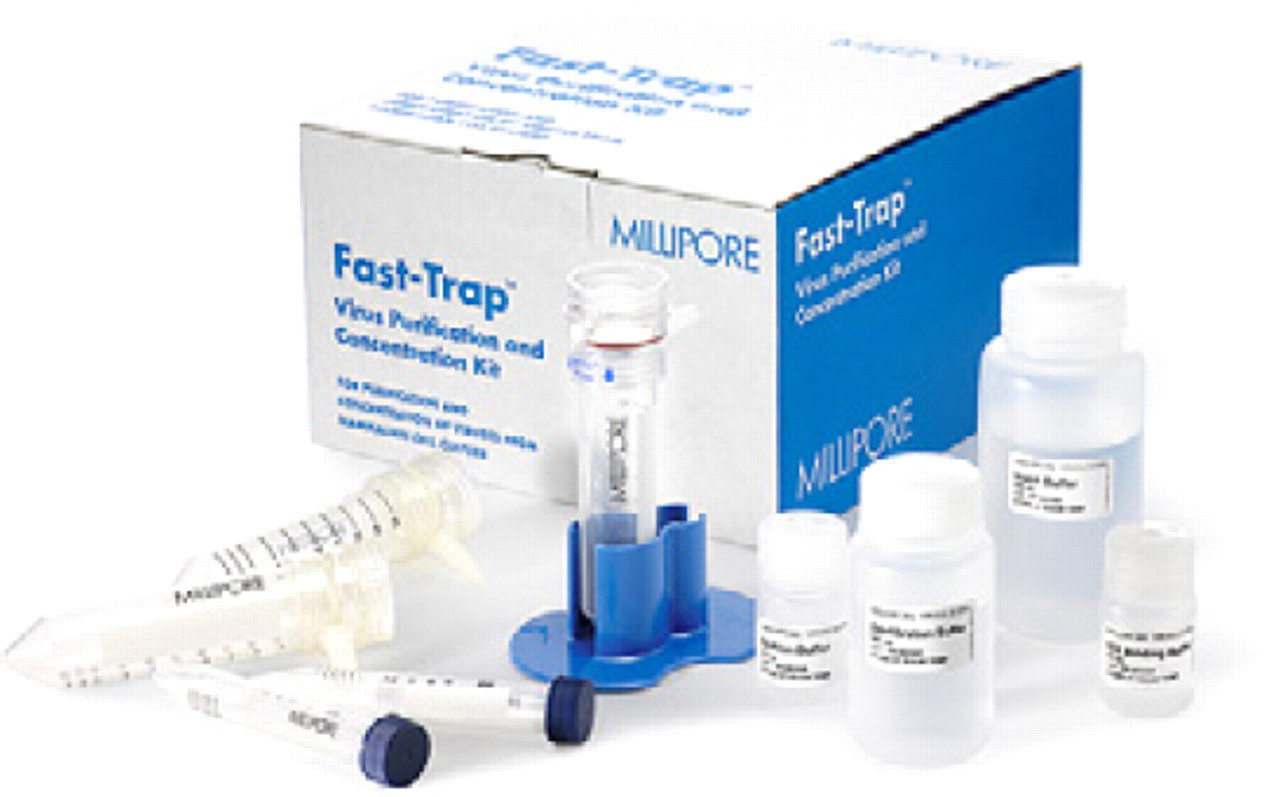
Fast-Trap Virus Purification and Concentration Kits
According to Millipore, purifying virus after propagation in host cells is a critical step toward using the viruses as vectors for genetic modification of target cells. The Fast-Trap Virus Purification and Concentration Kits, one for adenovirus purification and one for lentivirus purification, contain all the components to accommodate the entire virus purification workflow. The Fast-Trap kits provide results that are more reliable in less time than traditional methods by incorporating Millipore's Steriflip filter unit, an easy-to-use format using a new anion exchange membrane that binds and elutes virus. The vacuum-based, closed-system purification kits are quick, easy, and safe to operate with a turnaround time of less than 2 h compared to 2 days with traditional purification techniques.
For more information, visit www.millipore.com.
Primary Human Epithelial Cells
A new range of primary human epithelial cells developed by CELLnTEC Advanced Cell Systems are now available from Millipore as part of a 2006 partnership agreement. Supplied as complete kits including specialized media for their propagation, these primary cell cultures provide an enriched population of progenitor cells from skin, cornea, and bladder epithelia.
According to Millipore, the new cells display optimal modeling and morphology, plus extended longevity due to their isolation in CELLnTEC's unique Progenitor Cell Targeted (PCT) media formulations. PCT culture media are developed to specifically mimic the environment of the stem cell niche, and significantly increase isolation efficiency, progenitor cell enrichment, and longevity of epithelial cell cultures.
For more information, visit www.millipore.com.
Nexcelom Bioscience
Cellometer Vision
With its compact footprint, the Cellometer Vision from LLC is designed to simplify the acquisition of fluorescence labeled cell count data, and is considered affordable enough to be used routinely in every lab. Simply pipette 20 μL of sample into the Cellometer disposable counting chamber, insert it into the instrument, and the dual mode imaging system acquires both bright field and fluorescent cell images. The intuitive software automatically determines cell sizes, fluorescence data, total cell count, cell concentration, and viability. A comprehensive set of data, including cell size histograms and scatter plots, is generated without complex manipulation. The system requires no clean-up or other time-consuming maintenance procedures. Cellometer Vision is considered ideal for monitoring GFP transfection rates, quantifying the presence of FITC surface markers, directly counting white blood cells in whole blood, and measuring concentration and determining sizes of adipocytes.
For more information, visit www.nexcelom.com, or call + 1.978.327.5340.
Paraytec
Application Report: Fast and Label-Free Quantification and Sizing of Proteins
A new application report from Paraytec describes a new methodology using its ActiPix D100 UV area-imaging detector to enable fast and label-free quantification and sizing of proteins.
The ActiPix D100 can be setup to detect analyte plugs in multiple detection windows on the same capillary. The new application report describes how it is possible to carry out protein quantification and sizing analyses within a capillary loop. Using a 3-nL injection of a 1 mgmL–1 sample of bovine serum albumin (66 kDa), the UV absorption of the protein zone is recorded using two detection windows, before and after the capillary loop. The resultant UV absorptions are fitted with HVL functions using PeakFit software to derive the area under the peaks that corresponds to the amount of protein in the sample. The HVL parameters are used to estimate the diffusion coefficient and the size of the protein.
Unlike traditional protein sizing techniques, such as preparative agarose gel electrophoresis, the ActiPix D 100 method described requires only nanolitres of the protein sample and the whole procedure can be automated. Using the new method, proteins do not require denaturation with SDS gel, and can be analyzed in appropriate buffers at physiological pH. In addition, using the ActiPix D 100 method, there is no need for staining or labeling, and further assays can be carried out following sizing directly in the same capillary.
For more information, visit www.paraytec.com, e-mail
PerkinElmer
EcoAnalytix Biodiesel Application Platforms
The new EcoAnalytix Biodiesel Application Platforms from PerkinElmer are designed to help biodiesel manufacturers ensure the quality of their fuel and meet regulatory compliance for both ASTM and EN standards. The platforms are part of PerkinElmer's EcoAnalytix initiative, a collaborative problem-solving initiative that creates application-based solutions to improve business ecosystems while supporting local, regional, and global initiatives that contribute to a healthier worldwide ecosystem.
The platforms include the EcoAnalytix Glycerin & Methanol Analyzer for the analysis of free and total glycerin and residual alcohol in biodiesel, the EcoAnalytix Trace Metals Biodiesel Analyzer based on the Optima 7000 inductively coupled plasma-optical emission spectroscopy (ICP-OES) for testing Group I and Group II metals and phosphorus, and EcoAnalytix FAME Biodiesel Analyzer (for ASTM only) based on the Spectrum 100 FTIR System for analyzing the properties of biodiesel fuel that are determined by structure of its fatty acid methyl esters.
The EcoAnalytix Glycerin & Methanol Analyzer features the Clarus 500 Gas Chromatograph (GC) with dual oven design for the analysis of both free and total glycerin and residual alcohol. The oven design allows laboratories to complete both GC analyses on a single instrument without the need to modify hardware setup; previously two GC instruments or modifications to hardware setup were necessary.
The platforms also include PerkinElmer's LABWORKS Green, a preconfigured software application specifically for the biodiesel industry, application notes, methods standard operating procedures, and on-site training.
For more information, visit www.perkinelmer.com/biofuels.
Series 275 HRes LC System
With this system, liquid chromatography (LC) users have the opportunity to increase throughput and improve resolution using small particle-size column technology at ultra high-pressure ranges. The system was designed to support quality assurance/quality control in the food and beverage, environmental, pharmaceutical, and materials testing markets.
According to PerkinElmer, the system's new Brownlee HRes LC Column technology features newly developed small particles for high resolution and speed of separation. The system also includes the new Series 275 Autosampler, which allows for greater automation and repeatability in the critical injection phase. A new Series 275 Binary Micro Pump supports the newly developed small particle/high resolution LC columns. For ease of transition to this new technology, the system is controlled and fully integrated with PerkinElmer's TotalChrom software and provides 21 CFR Part 11 compliance.
For more information, visit www.perkinelmer.com/Series275HResLC.
Series 225 LC Autosampler
PerkinElmer's new autosampler is fully integrated into the PerkinElmer Series 200 family of liquid chromatography (LC) products running on TotalChrom software to support pharmaceutical, food and beverage, environmental, materials characterization, and chemical industry research and testing.
The Series 225 LC Autosampler is designed to enable improved throughput, and to provide functionalities in the preinjection phase, minimizing user intervention.
Temperature-controlled sample compartments are designed to improve application flexibility.
For more information, visit www.perkinelmer.com/Series225AS.
Optima 7000 Series of ICP-OES
According to PerkinElmer, its new Optima 7000 family of inductively coupled plasma-optical emissions spectrometers (ICP-OESs) is designed for best-in-class inorganic analysis. This newest generation in the Optima series includes a universal data acquisition mode that records all of the spectral data for each sample. Other enhancements include rapid review of results, and the Optima 7000 generates an error flag if a sample result falls above or below a user-specified value. The instrumentation also can automatically generate quality control charts that show results for analyses run over a specified period of time. The Optima 7000 Series replaces the Optima 2100, 5100, 5200, and 5300 models.
For more information visit, www.perkinelmer.com/optima.
JANUS Oil Prep Workstation
This new workstation is specifically designed to automate sample preparation of lubricants for wear metals analysis. The eight-tip high-throughput JANUS Oil Prep Workstation can enable users to replace manual or single-tip sample preparation methods with an automated system to accelerate testing for wear in large capital equipment, including heavy machinery, mining, and farming.
The workstation automatically dilutes oil samples with kerosene in preparation for wear metals analysis by inductively coupled plasma. Proprietary liquid-level sensing technology and eight-tip pipetting improves productivity and efficiency versus manual or single-tip systems, and disposable tips eliminate tipwash steps and minimizes cross contamination, reducing false-positive results.
For more information visit www.perkinelmer.com/labautomation.
LAMBDA XLS and LAMBDA Bio
This new UV/Vis spectrophotometer is for Quality Assurance/Quality Control (QA/QC) and teaching laboratories, whereas the LAMBDA Bio is a UV/Vis spectrophotometer designed specifically for biological science laboratories. According to PerkinElmer, both the LAMBDA XLS and LAMBDA Bio are designed as low-cost, routine platforms with a number of preconfigured standard methods, and the capability to add customized methods to address a wide range of applications.
The LAMBDA XLS is designed with a focus on productivity and ease of use. The LAMBDA XLS and Bio models include a large, clear on-board display and robust spill-resistant keypad. With its intuitive graphical interface and wide range of local language options, users in manufacturing QA/QC, environmental, teaching, and food analysis laboratories can perform wavelength, scanning, concentration studies, and biological assays with ease. The LAMBDA Bio is preconfigured with standard methods for ease of access.
For more information, visit www.perkinelmer.com/lambdaxls or www.perkinelmer.com/lambdabio.
Porvair Sciences
TriSeal High-Throughput and Ultra High-Throughput (UHTS) Microplate Sealing Workstations
According to Porvair Sciences, its new microplate sealing workstations provide cost-effective, fully automated plate processing facilities that are able to handle plates in batches of 100 at a time without manual intervention. They combine the flexibility of a three-position turntable with the convenience of unattended loading and unloading.

The TriSeal system uses a single Scorpion stacker/loader to both load and unload. As the first plate is sealed inside the TriSeal, a second plate can be automatically added to the turntable before the ejected sealed plate being removed by the Scorpion and returned to the sealed stack. A single interface box is used to control the stacker/loader and the TriSeal.
In the TriSeal UHTS system, two Scorpion stacker/loaders are used. In this configuration, one Scorpion is dedicated to loading unsealed plates, whereas the second is used only for retrieving and restacking sealed plates. Both Scorpion units and the TriSeal are programmed and controlled from one interface box as before.
For more information, visit www.porvair-sciences.com, e-mail
Thermobond 2 Heat Sealer
Porvair Sciences' new Thermobond 2 heat sealer is designed to quickly and reproducibly seal microplates with a specially prepared pierceable film or foil, and it incorporates a new ergonomic reciprocating handle design to minimize RSI risk. The plane parallel action of the handle ensures even sealing across the plate to prevent sample evaporation or leakage.
The Thermobond 2 requires only one operation of the reciprocating handle to apply heat to the surface of the film, creating a fine melt with the coating of the microplate being sealed. No adhesives are used, and no heat is transferred to the sample. Later, the seal may be pierced and samples can be removed with a pipette.
For more information, visit www.porvair-sciences.com, e-mail
Radleys
Technical Bulletin: Thermal Characterization of a Controlled Laboratory Reactor
Radleys Technical Bulletin TDS04S describes how the thermal performance of the Lara Controlled Laboratory Reactor (CLR) can be measured by performing a series of experiments and obtaining overall heat transfer coefficients. To investigate heat transfer in aqueous and organic systems, water and methanol are chosen as the reaction fluids. The contents of the vessels are repeatedly heated and cooled at several volumes and impeller speeds. Using the physical parameters (vessel diameter, fluid density, and fluid specific heat) of the reaction, the heat transfer coefficients for water and methanol are calculated at several volumes and impellor speeds based on the temperature profile data obtained for the jacket and reactor contents over time.
The reported heat transfer coefficients obtained are useful in calorimetric measurements and can be used to predict the heating and cooling times as well as reaction exotherms when considered with the log mean temperature difference.
For more information, visit www.lara-clr.com.
Lara Option for Crystal Morphology
Radleys split jacket laboratory reactors are now available with a flat, optically clear window for use with video microscopy. This new option for the Lara CLR system is designed for accurate and sensitive particle characterization to enable early-stage evaluation and resolution of process issues.
Set within a narrow, central nonjacketed section, the optical window ensures that the clearest possible image is obtained as particles are not obscured by the depth of the thermofluid within the jacket or the extra glass wall. The flatness of the window also eliminates any distortion of the image associated with undertaking video microscopy through the usual curved vessel surface.
Radleys' method of construction allows complete annealing of the finished vessel after manufacture. The window is, therefore, guaranteed to be stress free, and vessel strength or safety is not compromised. Distortion to the internal surface also is minimized, preventing the formation of eddies (dead zones) close to the internal wall.
By stopping the flow of thermal fluid through the top half of the reactor, Radleys split jacket reactors maintain a cooler internal surface than traditional reactor vessel designs, and reduces the incidence of crystalline deposits baking onto the inside of the vessel, above the surface of the liquid.
For more information, visit www.radleys.com, e-mail
Carousel Mk3 Parallel Synthesis Reaction Station
Like its predecessors, the new Carousel Mk3 is designed to provide busy laboratories with an easy-to-use tool that simultaneously heats and stirs up to 6 × 5-, 10-, 25-, 50-, 170-, or 250-mL round-bottomed flasks under inert gas and reflux. The Carousel Mk3 includes innovations that make it easier to use, easier to clean, and more resistant to chemical corrosion. The new station also offers improved energy efficiency and enhanced reaction tube visibility.
For more information, visit www.radleys.com, e-mail
Cool-On Cooling and Stirring Workstation
The compact new Cool-On is considered an affordably priced cooling and stirring workstation designed to accommodate single round-bottom flasks from 50 mL to 2 L. Cool-On is designed to fit on a standard stirring hotplate, which provides magnetic controlled stirring through a magnetic stirring bar in the reaction flask. All Cool-On bowls are manufactured from a rugged, chemically resistant HDPE polymer that is compatible with a wide range of freezing mixtures including dry ice/acetone.
For more information, visit www.radleys.com, e-mail
Storm and Breeze Heating and Cooling Workstations
This new range of heating and cooling workstations is designed to be used in conjunction with a Carousel Reaction Station and a Radleys Tornado Overhead Stirring unit to provide unrivaled powerful overhead stirring to multiple reaction flasks. Additional attachment of a recirculating fluid heating/cooling unit allows a fully comprehensive range of heating and cooling operations to be performed.
For more information, visit www.radleys.com, e-mail
RTS Life Science
Automated Blood Fractionation (ABF) System
According to RTS Life Science, its unique high-throughput blood fractionation system is used to extract buffy coat (white blood cells) from whole blood samples, and provides a fully automated solution to blood fractionation and processing. The Automated Blood Fractionation (ABF) system is a self-contained unit capable of processing up to 500 samples per day. It incorporates Vision System technology, which measures the height of each fraction and calculates the volume of each layer following fractionation via centrifugation. The ABF solution also offers health and safety benefits by reducing employee exposure to unscreened blood, and a LIMS (Laboratory Information Management System) interface ensures ease of acquisition and manipulation of data.
For more information, visit www.rtslifescience.com, or e-mail
RTS SolidPrep
This new line of tablet sample preparation solutions provides high-speed preparation of tablets and other solid dose pharmaceuticals for assay, impurity, and dose-content uniformity applications. According to RTS, using the SolidPrep, most laboratories will be able to achieve at least three times the throughput when compared to current manual methods. This improvement in efficiency gives a typical payback period of less than 2 months. This scalable product line from RTS Life Science is available as a benchtop or automated system.

For more information, visit www.rtslifescience.com, e-mail
Syrris
Atlas pH Monitoring and Control Systems
Developed for the accurate control of pH throughout the most sensitive of reactions, the new Atlas pH Monitoring and Control System is designed for use in chemical synthesis.

Intelligent, PC-free control allows the efficient maintenance of pH via realtime detection, display and adjustment, with the automated addition of acid/base using the Atlas Syringe Pump. Quick click-in action enables easy setup and its compact footprint means the system fits conveniently in any regular fume cupboard.
pH and temperature probes connect to the intelligent Atlas base where temperature, stirrer speed, and pH values are continually displayed in real time and automatically logged to a.csv file. A wide temperature and pH range, up to 100 °C and 0–14 pH (> 0.1pH accuracy) is accompanied by automatic temperature compensation for even tighter control of pH.
For more information, visit www.syrris.com.
Atlas Remote Mount Module
According to Syrris, its new Remote Mount is designed for users performing reactions in jacketed reactors, and offers a fast and easy-to-use vessel clamping system with quick click action. A vessel assembly can be located away from the Atlas Base, while an umbilical connection provides communication for remote control. Working volumes are maximized to 5 L as 100, 250, 500 mL, 1, 2, and 5 L reactors are accepted.
For more information, visit www.syrris.com/remotemount.aspx.
Thermo Fisher Scientific
Technical Poster: Configurability and Flexibility in LIMS Design
A new technical poster entitled “The New Age of Configurability and Flexibility in LIMS Design for Life Sciences and High-Throughput Screening” highlights the need for plate handling functionality to be built into the core LIMS solution for high-throughput screening environments, and is considered ideal reading for life scientists in the biotechnology and drug-discovery industries.
For more information, visit www.thermo.com/eThermo/CMA/PDFs/Product/productPDF_4365.pdf.
NanoDrop Micro-Volume Spectroscopy Systems
According to Thermo, its new NanoDrop systems enable easy measurement of UV–Vis and fluorescence without the use of cuvettes and associated dilutions, resulting in more reliable measurements. An undiluted 1-μL sample is pipetted directly onto the measurement surface. After a quick spectral reading, the sample is simply wiped away in preparation for the next sample. The instruments are used to measure the quantity and purity of nucleic acids and proteins, as well as associated fluorescent labels.
The recently acquired line of Thermo Scientific NanoDrop products includes the NanoDrop 1000 Spectrophotometer, NanoDrop 8000 Spectrophotometer, and the NanoDrop 3300 Fluorospectrometer.
For more information, visit www.nanodrop.com, e-mail
ITQ Series of GC/MS Ion-Trap Instruments
The ITQ Series of gas chromatography/mass spectrometry (GC/MS) ion-trap instruments features external ionization. The ITQ 700, ITQ 900, and ITQ 1100 ion-trap systems feature fully upgradeable systems designed to provide high performance and high specificity. Developed for a wide range of applications, from routine GC/MS to research-grade ion-trap MS, these new systems address the analytical needs of the environmental, food safety, pharmaceutical QA/QC, forensics and toxicology industries, as well as academic laboratories.

The Thermo Scientific ITQ 700 is designed for routine full scan quantitation and general teaching applications. The ITQ 700 GC/MS system combines full scan ion-trap sensitivity with a small footprint for laboratories with limited space. The ITQ 700 is capable of achieving a mass range of 700 amu, which is considered suitable for most general GC/MS applications, including environmental, QA/QC, and forensics.
The Thermo Scientific ITQ 900 incorporates full scan sensitivity of ion-trap mass spectrometry with the increased flexibility of the Thermo Scientific TRACE GC Ultra gas chromatograph. Combining a complete range of injector options including true cold-on-column, programmable temperature vaporization (PTV), and a full complement of additional detectors, the ITQ 900 significantly expands the working mass range of a typical GC/MS system to 900 amu. The Large Volume PTV injection with back-flush option of the TRACE GC Ultra enables accurate detection of trace level components in complex matrices. This system enables users to perform routine full scan GC/MS with greater analytical flexibility.
For more information, visit www.thermo.com/itq, e-mail
MALDI LTQ XL Mass Spectrometer with ImageQuest Software
A new, sensitive tissue-imaging platform combines Thermo Scientific's MALDI LTQ XL mass spectrometer with ImageQuest software. This platform is designed to make it easier for scientists to analyze whole tissue, biological, and polymer samples without extensive sample preparation.
According to Thermo, the addition of MALDI (matrix-assisted laser desorption/ionization) to the LTQ XL linear ion trap provides information-rich spectra that are essential for the analysis of digested proteins, peptides, and post-translational modifications. This tissue-imaging solution provides researchers with unparalleled sensitivity and unmatched MS n spectral quality of linear ion-trap technology as well as faster sample analysis, compared with the standard practice of homogenizing and extracting from tissue.
For small molecule applications, the Thermo Scientific MALDI LTQ XL with ImageQuest software offers a complete package for the acquisition and presentation of MS images directly from tissue samples. ImageQuest software enables the visualization of imaging data, creating two-dimensional and three-dimensional maps of analyzed tissue.
For more information, visit www.thermo.com/maldi, e-mail
ARL OPTIM'X with SMS-Omega Automation
The enhanced ARL OPTIM'X with SMS-Omega Automation, the newest addition to Thermo's wavelength dispersive X-ray fluorescence product portfolio, includes a unique combination of Thermo Scientific XRF and automation technology in a footprint of less than 1 m2. Featuring fully automated sample preparation and analysis, Thermo says this cost-effective system responds to the needs of users for fast and precise analysis in metals, mining, minerals, and cement applications.
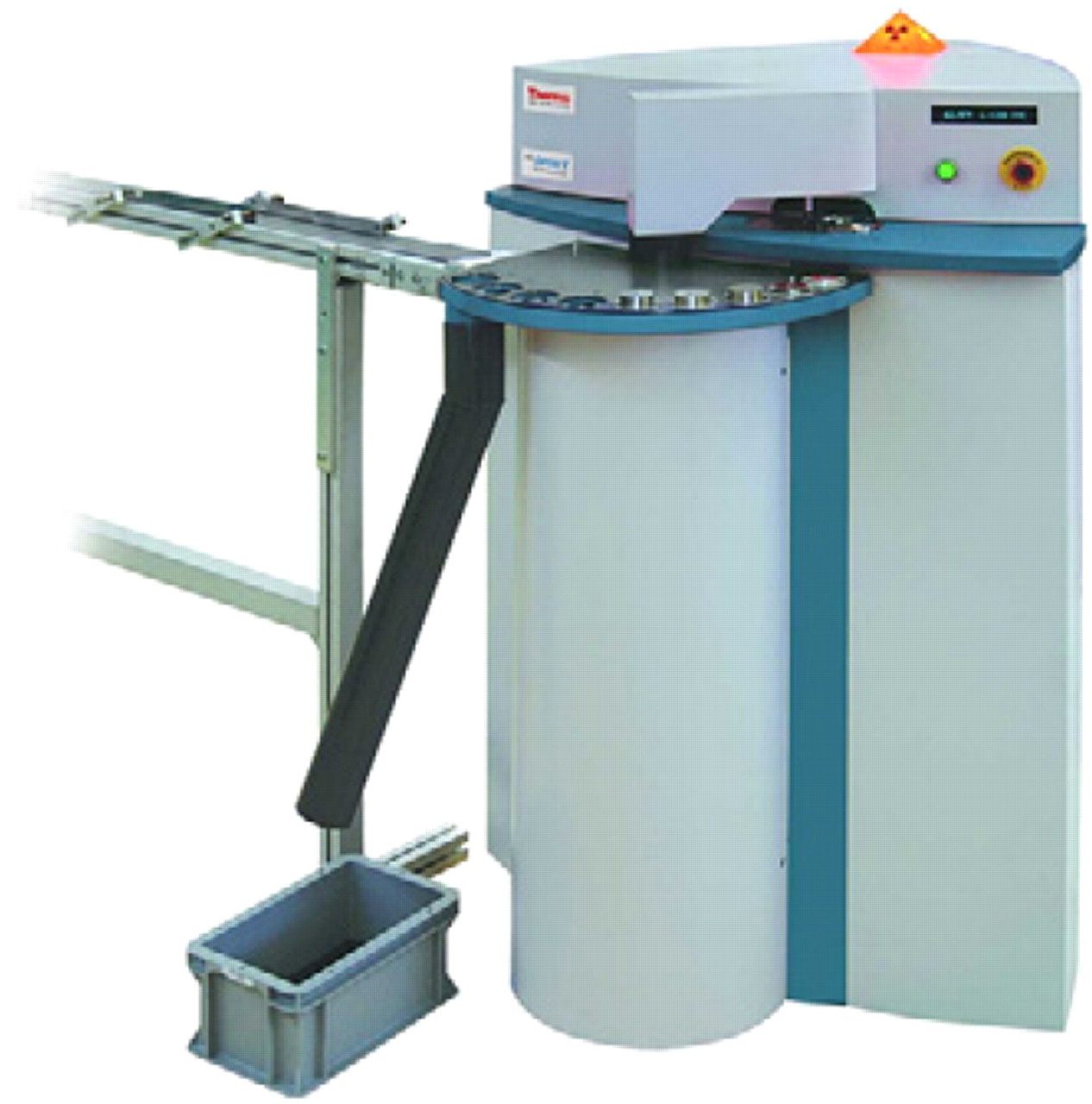
According to Thermo, this easy-to-use system improves the quality of results with the inclusion of automatic sample preparation and handling, while analysis and distribution of results are automated with no user intervention required. A sample-handling arm equipped with a suction device or a gripper is used to load the samples for analysis, which are processed under strict identical and reproducible conditions. A fixed circular magazine provides storage of reference standards and for the occasional manual introduction of prepared samples. Standard and proven interfaces ensure easy system integration into a specific laboratory quality control environment.
For more information, visit www.thermo.com/elemental, e-mail
Aria LX Multiplexing Technology with QuickQuan Software
Thermo Scientific Aria LX multiplexing technology has been integrated with QuickQuan software to enable users to increase the throughput of compounds processed in high-throughput liquid chromatography-mass spectrometry (LC-MS) assays by a factor of 4.
According to Thermo Scientific, its multiplexing technology is the only truly independent, parallel, multichannel system in the industry, bringing the productivity of up to four separate LC systems to a single MS. The Thermo Scientific TSQ Quantum triple quadrupole mass spectrometer and an Aria LX-4 System can process as many samples as four stand-alone LC-MS/MS systems. The multiplexed system ensures maximum performance of the MS so the user can boost productivity without compromising data quality or sensitivity. Data generated from QuickQuan can be seamlessly transferred to the Thermo Scientific Galileo LIMS or QuickCalc software powered by Gubbs Inc. GMSU.
For more information, visit www.thermo.com/ms, e-mail
UniQuant XRF on ARL QUANT'X
The UniQuant XRF analysis package is now available on the high-performance Thermo Scientific ARL QUANT'X EDXRF (energy dispersive X-ray fluorescence) system. Featuring the spectrometer, standard-less software and accessories, the complete benchtop EDXRF system is designed to meet the elemental analysis needs of central and contract laboratories, as well as environmental monitoring, chemicals, mining, forensics, food, electronics, cement, and metals industries. In addition, a camera is integrated with the instrument for sample imaging.
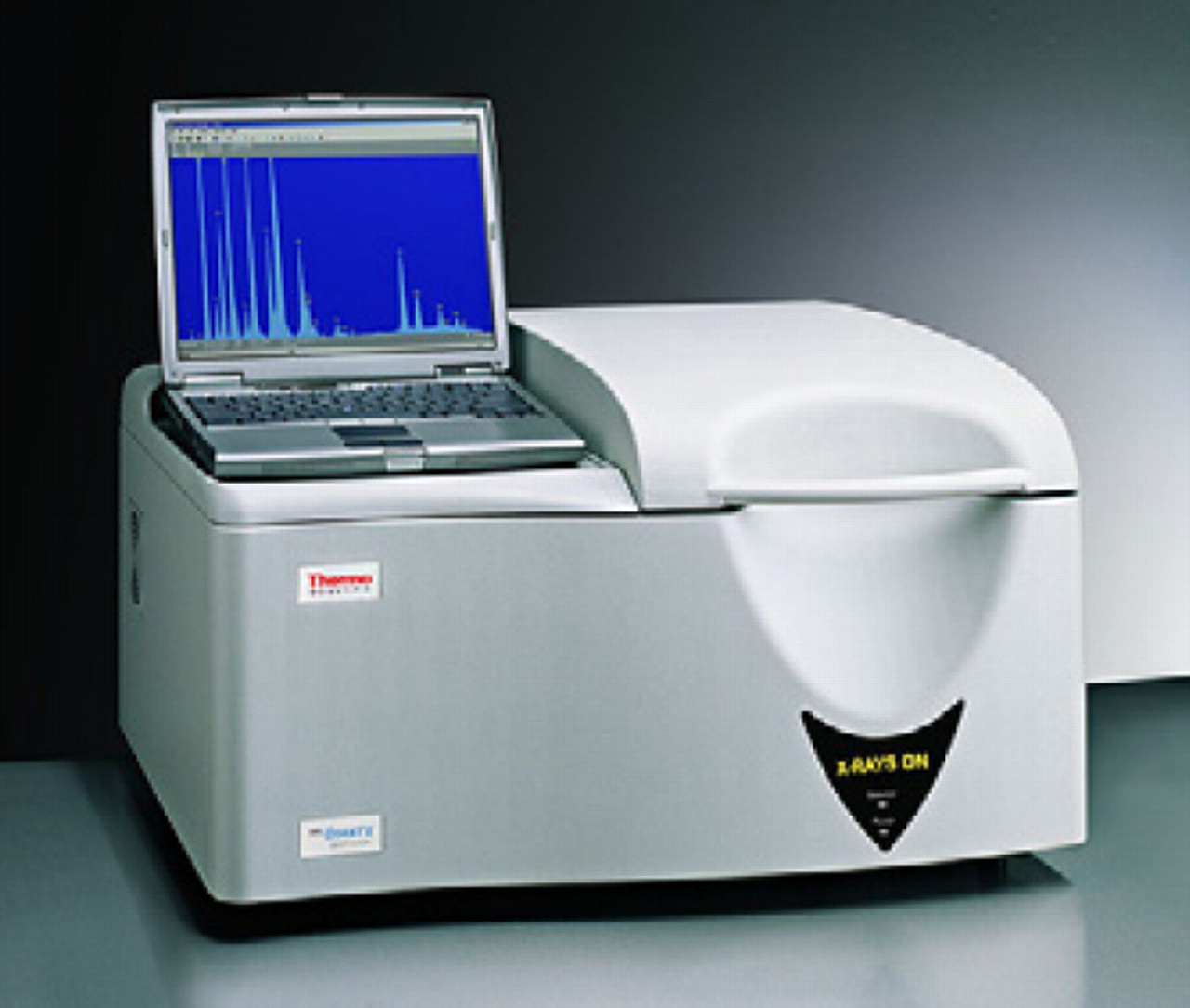
This integrated solution is designed to facilitate rapid qualitative and quantitative nondestructive elemental analysis of samples of any size, shape, and state. According to Thermo, it is capable of achieving fast and accurate analysis of major, minor, and trace elements in a variety of materials including solids, powders, liquids, and layered structures.
Also according to Thermo, the UniQuant software package achieves superior accuracy based on theoretical models that have been refined specifically to work with the ARL QUANT'X. The software also enables analysts to specify the sample's properties.
For more information, visit www.thermo.com/xray, e-mail
GC IsoLink
Building on Thermo Fisher's achievements in isotope ratio mass spectrometry, the GC IsoLink is designed to make isotope ratio monitoring GC/MS (irm-GC/MS) as easy to perform as GC/MS. Scientists, lab managers, and operators can now routinely use isotope analysis to unravel unique information about the history and origin of compounds separated by gas chromatography (GC). This new irm-GC/MS system is now available in Europe.
GC/MS users can use irm-GC/MS analysis to discover information about samples that previously was inaccessible by any other technique. Chemical and physical processes can change the natural isotope compositions of organic compounds. Although common GC/MS provides structural information and compound quantification, irm-GC/MS reveals the history and origin of compounds by reading their isotopic signature with ultra high precision.
For more information, visit www.thermo.com/gcisolink, e-mail
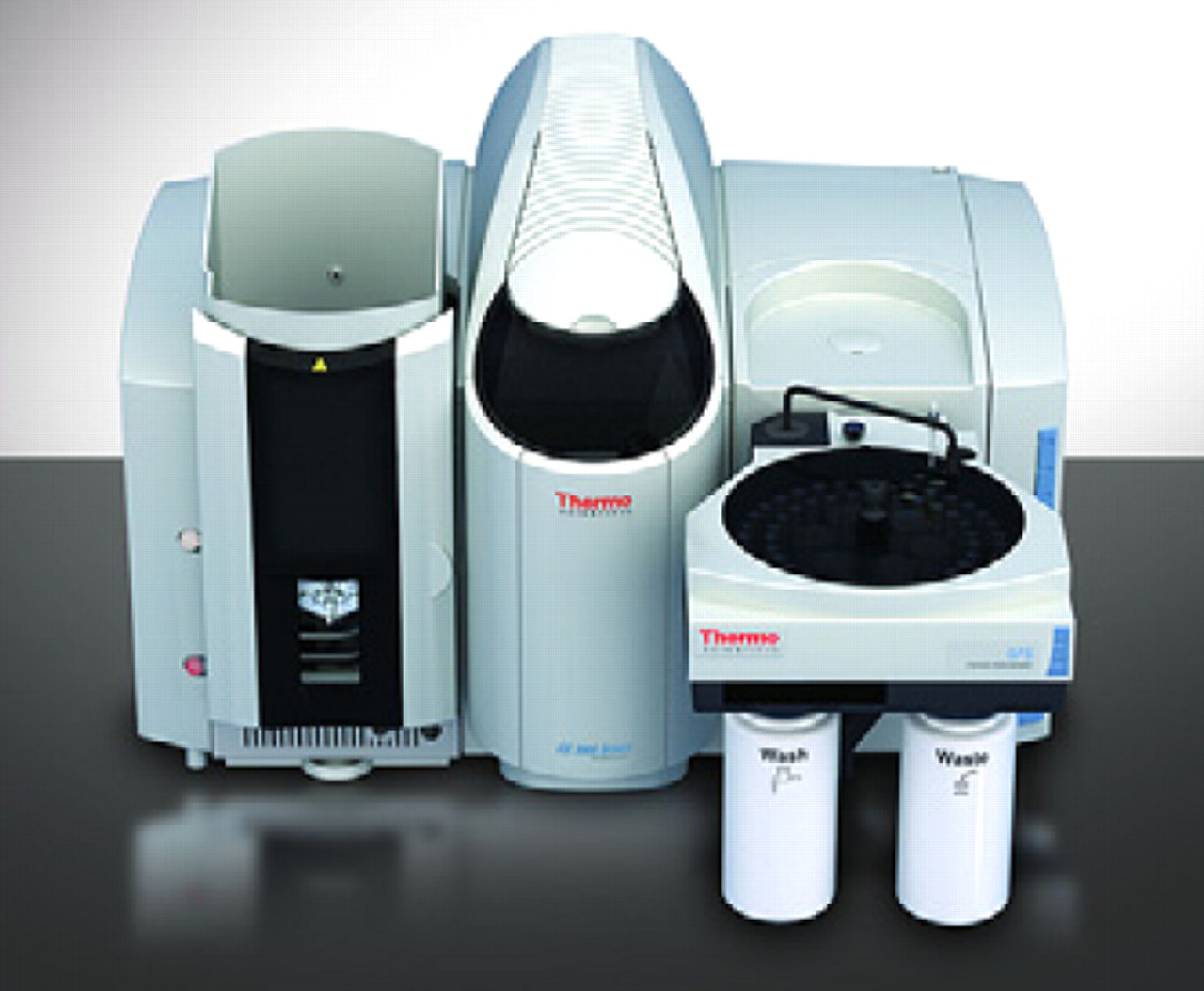
iCE 3000 Series of AA Spectrometers
According to Thermo Scientific, its new iCE 3000 Series of Atomic Absorption (AA) spectrometers is designed to facilitate prolonged and trouble-free operation—even with the most difficult samples—and offers unparalleled functionality. Featuring small footprints, the new iCE 3300, iCE 3400, and iCE 3500 AA spectrometers are considered the most compact available, and have been developed to accommodate both flame and furnace analyses. The iCE 3000 Series of AA spectrometers operate on the intuitive Thermo Scientific iCE SOLAAR software platform. The iCE SOLAAR software wizards guide users quickly and easily through various operational procedures, providing step-by-step guides to routine activities and, demonstrating the correct sequence of operations to achieve a specific objective.
For more information, visit www.thermo.com/ice, e-mail
Liquid-Handling Module for ArrayScan VTI HCS Reader
According to Thermo, synchronous dispense-while-imaging capability, combined with kinetic image capture, a market-leading range of image analysis algorithms, and on-the-fly processing of the new Liquid-Handling Module for the ArrayScan VTI HCS Reader, allow the real-time capture of cellular phenotypes and rapid biological responses. Furthermore, multiple aspirate/dispense options enable dye loading, media replacement, incubation, and stimulus addition to be fully automated. The Thermo Scientific Cellomics ArrayScan VTI with Liquid-Handling Module is designed to provide an automated solution for pharmacological studies, including GPCR biology, cell pathway analysis, compound pharmacology, and in vitro toxicology.
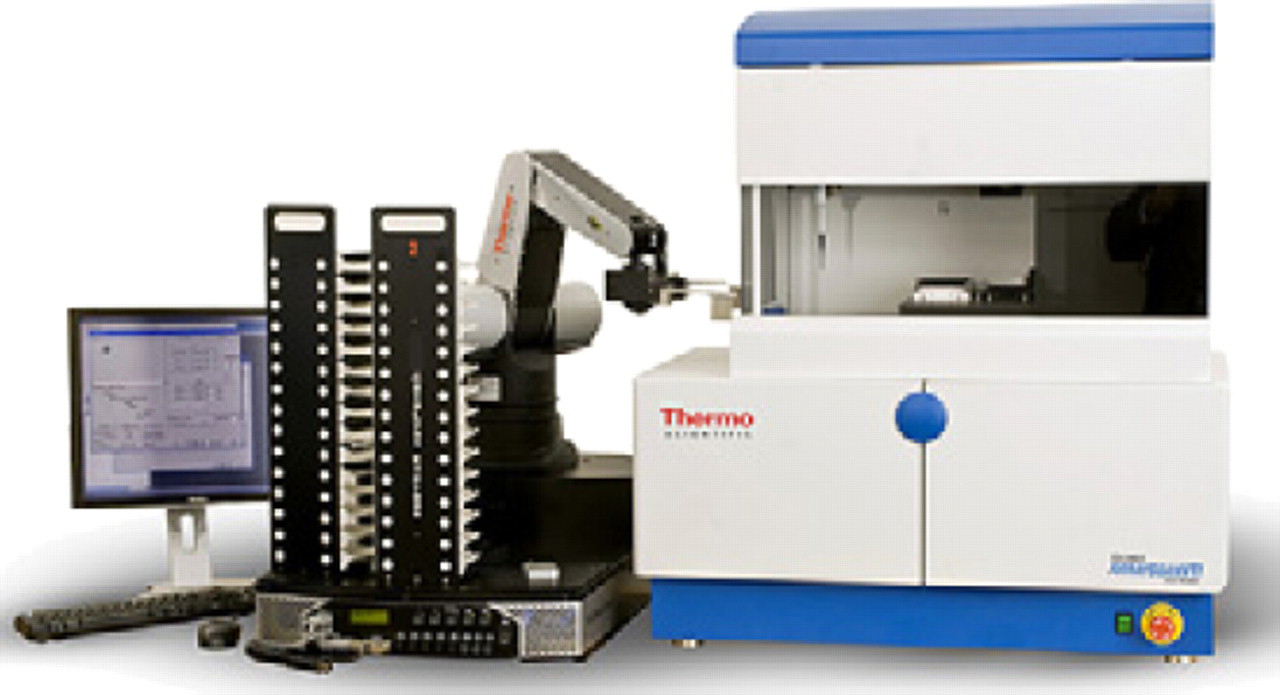
For more information, visit www.thermo.com/cellomics.
Cellomics Micronucleus v3.0 BioApplication

This new solution uses a cell-based approach for a comprehensive assessment of genotoxicity. It allows the automatic detection of micronuclei formation to provide scientists with a more productive method for screening compounds earlier in the drug-discovery process.
The Micronucleus BioApplication relies on the Thermo Scientific Cellomics ArrayScan VTI system, which comprises high-content screening instrumentation, informatics, and reagent products, allowing researchers to more rapidly test multiple compounds to discover potential toxic effects on genetic material.
For more information, visit www.thermofisher.com.
PocketTips
A new line of PocketTips enables nanoliter volume dispensing on current laboratory automated systems. An internally molded capillary pocket allows transfer of 50–500 nL molecular compounds suspended in dimethyl sulfoxide directly to assay plates, saving time, reagent, and labware, and improving data quality with in-tip mixing.
For more information, visit www.thermo.com/matrix.
Multiskan FC Microplate Photometer
According to Thermo, the Multiskan FC is a microplate photometer designed for scientists, lab technicians, students, and other laboratory personnel who perform a wide variety of routine and basic research applications. The new Multiskan FC system combines the reliability of Thermo's existing Multiskan range with a new large color screen, quick keys, and multiple language options to ensure excellent usability.
Designed to process both 96- and 384-well microplates, the Multiskan FC can be controlled as a stand-alone instrument or via the Thermo Scientific SkanIt Software, in a number of different languages. Ready-made sessions for the SkanIt software also can be downloaded from the Internet for most common assays.
For more information, visit www.thermo.com/readingroom.
Finnpipette
Two new flagship models are now part of the Thermo Scientific Finnpipette family of products. The F1 and F2 Series products include variable and fixed volume single-channel models covering 0.2 μL to 10 mL for assured versatility. Multichannel models are available for both series and include 8-, 12- and 16-channel pipettes covering 1–300 μL, for even greater flexibility.
The Finnpipette F1 Series incorporates ergonomic features to effectively prevent the occurrence of repetitive strain injury (RSI) symptoms. The soft handle contours to the shape of the user's hand, and the improved 120° horizontally adjustable wide-supportive finger rest allows users to relax their hands between pipetting actions. Each color-coded pipette also offers a patented soft-touch mechanism to lower tip-ejection forces. This feature is considered especially beneficial when ejecting tips from the multichannel pipette. A triple-action pipetting hat prevents accidental volume alteration. The Finnpipette F1 Series features an antimicrobial plastic polymer grade, which offers protection against the growth of microbes and prevents sample contamination from the pipette.
The Finnpipette F2 Series is a general laboratory pipette for all routine applications. Each color-coded pipette in the F2 Series allows users to find easy matches to corresponding Finntips, and it can be autoclaved to prevent contamination between samples. To prevent RSI symptoms, each pipette offers an ultralight and smooth pipetting action. The volume-gearing mechanism allows superior volume precision to two decimal places, and the double-action pipetting hat prevents any accidental volume alterations. A larger display makes the numbers easier to read and allows volumes to be set quickly.
For more information, visit www.thermo.com/Finnpipette.
Tovatech
FlowCal 5000 Liquid-Flow Meter
The FlowCal 5000 Liquid-Flow Meter is a new tool for HPLC instrument calibration and qualification. According to Tovatech, flow-rate measurement with the FlowCal 5000 is easier, faster, and more accurate than using a timer while manually collecting fluid for gravimetric or volumetric measurement. The digital flow meter is compact, robust, and accurate at low flow rates. It is considered indispensable for IQ/OQ/PQ of HPLC systems. The FlowCal 5000 measures flows accurately to 1 μL/min with guaranteed linearity from 0.05 to 25.00 mL/min. No user calibration is required; it's supplied calibrated at 1.0 (+/–1.0%) mL/min. Calibration at multiple points is available.
For more information, visit www.tovatech.com/liquid_flow_meter.html.
Velocity11
Data Sheet: Stem Cell Culture and Screening System
A new data sheet by Velocity11 describes a novel high-throughput automated stem cell culture and screening system. An automated platform was developed with a customer who will use stem cells as the basis of HTS assays and drug-discovery programs, with the goal to increase throughput and potentially find more promising lead compounds. To successfully automate these sensitive assays required an automated system with a controlled environment to provide the best conditions for cell growth.
Using the Filtered Plus BioCel automation platform, the system is designed to maintain a temperature of 37 °C (±0.1 °C) inside the BioCel system and to filter air inside to a Class 100 specification, creating an optimized environment to meet stem cell-culture requirements for plate-based cell maintenance and cell-based assays. With a novel method for controlling air velocity and using ultra-low penetration air filters, the system is able to achieve an increased turnover in filtered air resulting in a reduced number of foreign particles and reduced cell contamination.
The automated procedure used is described in the application brief. This involves seeding plates from a bulk culture, adding compounds to cell plates, and transferring supernatant or cell lysate to an assay plate. The automated system ensures that all processes are accurately managed, to ensure reliable and repeatable results. The Filtered Plus BioCel automation system is shown to provide fast, efficient transfer of cells, minimal exposure to contaminants, and optimal growth of stem cells.
For more information, visit www.velocity11.com.
Automated Microplate Spin-Down Workstation
Integrating the Velocity11 BenchCel Microplate Handling System and VSpin Access 2 Automated Microplate Centrifuge, this new workstation provides walk-away convenience for handling up to 320 microplates. A simple software interface allows users to specify the centrifugation settings, and with a click of the mouse, the BenchCel System and VSpin Centrifuge take care of the rest.

For more information, visit www.velocity11.com.
Viscotek
Application Report: Characterizing Chitosans
A new application report from Viscotek describes how three Chitosan samples are characterized using a Viscotek Triple Detection System (TDA) that allows rapid determination of molecular weight, size, and conformational structure in a single experiment. The Viscotek TDA uses a refractive index detector, viscometer, and low-angle light scattering detector acting in concert, with each detector providing complimentary but different information. The signal to noise on all three detectors is excellent, which ensures the quality of the calculated data. The report shows that despite differences in molecular weight and polydispersity, the structure of the three samples analyzed is similar.
For more information, visit www.viscotek.com, e-mail
Application Report: FIPA Technique for Gravimetric Determination of Xylene Soluble Polymers
A new report entitled “FIPA for Xylene Soluble Determination of Polypropylene and Impact Copolymers,” Viscotek Flow Injection Polymer Analysis (FIPA) experimental procedures are compared with the traditional gravimetric method used to determine xylene solubles in process polymers. The xylene soluble test is designed to measure the amorphous content of polypropylene and ethylene-propylene rubber materials. The accuracy and precision of the xylene soluble test are very important to the process and product specifications of the resultant materials.
Using an ethylene-propylene rubber polymer, identical samples are analyzed by both the gravimetric and Viscotek FIPA methods. A correlation factor of 0.9998 shows a high degree of agreement between the results obtained by the two methods. The report goes on to demonstrate the speed, accuracy, precision, and additional molecular weight/intrinsic viscosity information advantages offered by the Viscotek FIPA technology. When compared to the open vessel operation of the gravimetric method, the new Viscotek FIPA technique also offers additional health and safety benefits.
The proprietary Viscotek FIPA technique is based upon a fast chromatographic means of separating polymers from the low molecular weight matrix of additives, monomers, or solvent with which they may be mixed. The separated polymer is then detected by a proprietary triple-detector system, and the resulting peaks analyzed to obtain properties of the polymer. The FIPA technique yields precise and accurate average molecular weight, molecular size, intrinsic viscosity, and data on branching or copolymer composition in only a few minutes, without the need for elaborate sample preparation. Robust and easy to configure, the Viscotek FIPA system operates up to 80C allowing screening of most polymers including polycarbonates, polyacrylates, olefins, rubbers, polyimides, polystyrene, and polyvinylalcohol.
For more information, visit www.viscotek.com/applications.aspx, e-mail
More News
Adept Technologies named Han Shin Power Tech its exclusive dealer in Korea for Adept's complete portfolio of robotics, controls, vision, and software products.
Adept Technology's automation software, robotics, and system products were selected by SLS Solar Line Saxony (SLS) as standard products for their automation equipment for solar cell production. SLS was established as a joint venture between Roth & Rau AG (Hohenstein-Ernstthal) and USK Karl Utz Sondermaschinen (Limbach Oberfrohna) to accelerate the production of standard technology products for the manufacturer of solar cells.
Advion BioSciences, through its BioSystems subsidiary, acquired certain assets of its long-standing out-sourced production supplier, Washburn Manufacturing. Under the terms of agreement, Advion BioSystems will absorb nearly the entire manufacturing operation and employees of Washburn Manufacturing, including the founder of the production company, Tom Washburn. The transaction brings vital skill sets to Advison, including quick turn development prototyping, machining, injection molding capabilities, and enhanced assembly, test, & quality functions. In addition, bringing the manufacturing in-house allows Advion to better streamline its processes across current and future product lines.
Advion BioSystems signed a nonexclusive joint marketing agreement with Bruker Daltonik to co-promote its TriVersa NanoMate system with Bruker Daltonics mass spectrometers. Each company will be responsible for its individual products. The TriVersa NanoMate is an automated nanoelectrospray source that connects to the front of a mass spectrometer, and combines the benefits of liquid chromatography, fraction collection, and chip-based infusion in one system.
The ARTEL Extreme Pipetting Expedition announced data showing that pipettes perform accurately and precisely in the humid Olympic National Park yet underdelivered significantly in a drier facility mimicking typical laboratory conditions. For Mission #4, ARTEL studied the effect of humidity on pipetted volumes because regulatory standards recommend that pipette calibration take place in facilities with 60% relative humidity, while working laboratories commonly operate at 15–40% relative humidity. The data indicate that pipettes calibrated off-site are prone to underdeliver once returned to their usual environments.
BioTek Instruments and Diachemix announced an agreement whereby BioTek's Synergy 2 Multimode Microplate Reader will be distributed by Diachemix primarily for use with its Brucellosis and M. bovis assay kits.
BioTek Instruments announced that its Synergy 2 and Synergy 4 multimode microplate readers received AlphaScreen certification. AlphaScreen is a highly sensitive amplified luminescent proximity homogeneous assay that screens for a broad range of targets and requires a large measurement bandwidth.
Brinkmann Instruments announced that the Respiratory Synthetic Chemistry Team, part of the Drug-Discovery Organization at GlaxoSmithKline has, using a Radleys Lara Controlled Laboratory Reactor, been able to achieve improved control of a grignard alkylation such that the reaction can now be repeated with a higher degree of reproducibility.
The David James Group (DJG) was named one of the best business-to-business agencies in the country by Crain Communications's BtoB Magazine. DJG provides integrated marketing communications services to the Association for Laboratory Automation, Society of Women Engineers, Certified Disability Management Specialists Commission, Association for Facilities Engineering, and others.
ESA Biosciences and Waters Corporation are working together to integrate seamlessly the ESA Corona Charged-Aerosol Detector (CAD) universal HPLC detector with the Waters industry-leading chromatography control and data-analysis platform: Empower 2. According to the companies, many scientists in the pharmaceutical industry already combine a Waters Empower 2 software-controlled LC System with the Corona CAD detector; however, this currently requires an additional data-interface module.
ESA Biosciences announced that Michael Pettigrew joined the company as vice president of life sciences sales. Mr. Pettigrew comes to ESA from GE Healthcare Life Sciences, where he served for 5 years as vice president of sales for North America.
Evotec announced that it signed a second drug-discovery contract with InterMune, expanding their existing collaboration, which was initiated in early 2007. Evotec will support InterMune's research efforts using their medicinal chemistry know-how. In addition, they will use their expertise and technologies in computational chemistry, protein production, X-ray crystallography, and ADMET to further characterize active compounds and optimize their potency and selectivity to generate lead molecules for subsequent progression into clinical trials.
Evotec signed a new drug-discovery agreement with Ono Pharmaceutical that targets a protease chosen by Ono. Under the agreement, Ono will pay to Evotec initial payments (technology access fee) for access to Evotec's fragment-based drug-discovery platform, EVOlution, research funding as well as success-based milestones based on the research progress.
GEA Procomac received a letter of non-objection from the U.S. Food & Drug Administration (FDA) for aseptic filling systems for low acid shelf-stable products. The non-objection letter was granted after FDA review of a master file submission based on Procomac's aseptic line installation at Aseptic Solutions, a company based in Corona, CA. The National Food Laboratory served as Procomac's Process Authority for the master filing. Procomac FDA-compliant aseptic filling technology for PET uses peracetic acid in liquid form to sterilize containers. Full recovery of sterilizing solution and rinsing water is built into the system to reduce consumption of chemicals.
GE Healthcare announced the expansion of its Scientific Asset Service program to incorporate options for instrument financing, facility relocation, and GE's Performance Solutions, alongside multivendor instrument maintenance and repair. According to GE Healthcare, these additional services are in response to an increasing trend toward outsourcing in the biotech and pharma industries, and are intended to provide comprehensive support for customers through the entire lifecycle of their assets.
American scientist Susan Lindquist, Ph.D., was awarded the Otto Warburg Medal in Mosbach, Germany. The medal is considered the most prestigious German award for biochemists and molecular biologists, and is awarded by the German Association of Biochemistry and Molecular Biology. Seven recipients of the Otto Warburg Medal have subsequently received the Nobel Prize. This year's prize was sponsored by QIAGEN. Dr. Lindquist is member of the Whitehead Institute, professor of biology at the Massachusetts Institute of Technology and investigator at the Howard Hughes Medical Institute. The award recognized her research into the field of protein folding.
IDBS announced that Boehringer Ingelheim purchased IDBS' predictive modeling technology PredictionBase for use at its Biberach an der Riss research site. Scientists at the Biberach facility, where research into diseases of the central nervous system, metabolic diseases, and respiratory diseases is centered, will use PredictionBase to build and deploy and distribute predictive ADME QSAR models using existing data.
Using a MEDIAJET vario adapted to work with 35-mm petri dishes, supplied by INTEGRA Biosciences, the FMI Institute for Biomedical Research established an effective technique for automated production of thousands of agar plates on which to cultivate nematode C. elegans.
GENOMICA invested in a first batch of 50 VACUSAFE comfort units from INTEGRA Biosciences for inclusion as a productive and safe sample preparation tool for their high-throughput molecular diagnostic kits.
Millipore and Guava Technologies announced a long-term partnership to deliver integrated flow cytometry solutions to scientists conducting research in cell biology, including stem cell research. Under the terms of the partnership, Millipore will gain exclusive rights to distribute Guava's nonclinical instrumentation within defined fields in North America, Europe, and other countries in Asia; and Millipore will provide field service for all Guava instrumentation in the same geographies. Millipore also will develop co-branded reagent kits specifically for Guava's flow cytometers, and Millipore and Guava Technologies will work together to develop a new generation of instrumentation.
PANalytical reports that after being inspired by data sent from NASA robots on Mars, Dr. Ronald Peterson, professor of geology at Queen's University in Kingston, Canada, observed a new mineral species on Earth, and predicts that it also exists on Mars. The mineral, meridianiite (MgSO4·11H2O), was named in acknowledgment of the cratered plain of Meridiani Planum on Mars, where one of the NASA robots is operating. Integral to Dr. Peterson's work was the PANalytical X'Pert PRO X-ray diffractometer, which provided the necessary speed and flexibility for such highly sensitive analysis. X'Pert PRO is equipped with the X'Celerator detector for rapid analysis, and the unique PreFIX mounting method that enables optics and stages to be reconfigured in minutes.
PerkinElmer partnered with the Water Environment Federation's and the International Water Association's World Water Monitoring Day (WWMD), and at Pittcon, hosted a Water Consortium and made a joint donation of Water Monitoring Kits to 120 New Orleans-area teachers.
P-Wave announced that 3M's Specialty Film and Media Division implemented its LabCORE software solution, including a new LabCORE project management module, to link more than 500 employees at five laboratories.
QIAGEN was awarded a contract by Microsynth to supply the molecular cador BVDV assays for detection of viruses causing Bovine Viral Diarrhea (BVD), one of the most widespread and costly infectious cattle diseases. The multiyear agreement is part of the Swiss National BVD Eradication Program in which over 1 million cows are to be screened. QIAGEN and Microsynth are pioneering the use of nucleic acid based tests for primary screening in a BVD eradication program.
Thermo Fisher Scientific added an optical emissions spectrometer (OES) and X-ray Product Demonstration Center to its Training Institute in West Palm Beach, FL, to enable current and prospective customers to evaluate Thermo Scientific optical emission (OES), energy dispersive X-ray fluorescence, and wavelength dispersive X-ray fluorescence systems.
Drexel University is the 15,000th purchaser of the Thermo Scientific NanoDrop 1000 UV/Vis Spectrophotometer. The instrument will be used in a microbial source-tracking project.
Thermo Fisher Scientific expanded its partnership with Advion BioServices, the bioanalytical services division of Advion BioSciences. According to Thermo, the move by Advion to enhance its bioanalytical capabilities and satisfy the company's expansion goals is facilitated by a strategic increase in its investment of Thermo Scientific Watson LIMS.
TTP LabTech announced that it was granted a license for the application of Resonant Acoustic Profiling technology incorporated in the RAPid 4 instrument in the areas of drug discovery and life sciences by Inverness Medical Switzerland (part of the Inverness Medical Innovations group of companies). As part of the wider deal, TTP LabTech also acquired the design, manufacturing, and marketing rights to the RAPid 4 instrument, together with associated sensors and consumables, from Akubio.
Call for Papers
Win an Apple MacBook Air
All JALA manuscript submissions received before


Podium Presentation Abstracts Due August 11
ALA is now accepting abstract proposals for LabAutomation2009 podium and poster presentations. Deadline for podium presentation abstracts is August 11.
For details, visit www.labautomation.org/LA09.
All poster and podium abstract submissions received will become eligible to win an Apple MacBook Air.
One podium presenter will win $10,000 as the 2009 ALA Innovation Award winner.
ALA Innovation Award finalists will travel to Frankfurt, Germany, in May 2009 to present their work at ACHEMA 2009. Airfare, hotel accommodations, per diem, and conference registration provided.