




Abstract

A2 Technologies
New Online Resources
A2 Technologies' new web site offers information about its products and company along with information about the technology behind instruments such as A2 Technologies' Mobility Series of FT-IR spectrometers and Real-time Oil Analysis and Reporting software and specific industry applications.
For more information, visit www.a2technologies.com.
Activotec
Technical Poster: Synthesizing Cyclic Peptide Chitinase Inhibitors

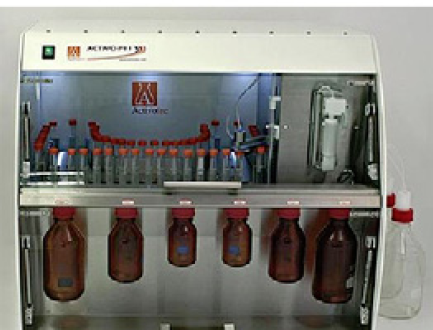
A new all-solid phase approach using Activotec's Activo-P11 for synthesizing cyclic peptide chitinase inhibitors as potential new leads for antifungal and antiinflammatory drugs is featured in a new technical poster from Activotec. On the basis of the work by U.K. researchers from the Department of Pharmacy & Pharmacology at the University of Bath and the College of Life Sciences at the University of Dundee, the entirely on-resin synthesis on the Activo-P11 demonstrates significant improvements in speed and efficiency over traditional approaches.
For more information, visit www.activotec.com, e-mail
Activo-P11 Peptide Synthesizer
According to Activotec, its new Activo-P11 Peptide Synthesizer is an easy-to-use and affordable instrument for synthesis of very high-quality peptides. The fully automated and enclosed system performs a wide range of chemistries to synthesize peptides of any length in the 0.1–1.0 mmol scale.
For more information, visit www.activotec.com, e-mail
Aspectrics
Application Note: Quantification of Corn, Canola, and Olive Oils

According to Aspectrics, a new application note entitled “Quantification of Corn, Canola and Olive Oils in Mixtures Containing All Three Oils Using an Apsectrics MC2750 EP-NIR Spectrometer,” demonstrates the ability of Aspectrics' MultiComponent 2750 Encoded Photometric Infrared (EP-NIR) analyzer to achieve unequivocal quantification of corn, canola, and olive oils. Coupled to an external Aspectrics halogen NIR source and a 2-mm path length process transmission multimode fiber probe, the analyzer provides quantification of the percentage volume of corn, canola, and olive oils in mixtures containing all three oils.
For more information, visit www.aspectrics.com, e-mail
Biofuels Analyzers
Aspectrics' new EP-NIR analyzers are designed to meet the demands of scientists working in process, food and beverage, biofuels, ambient air monitoring, stack gas analysis, and speciality gases industries. Featuring a scanning rate of 100 scans/s and achieving an impressive spectral range of 128 photometric channels, users can monitor their processes in real time.
Using the comprehensive at-line system, Aspectrics EP-NIR 2750i biofuels analyzer has been developed to allow users to conduct biodiesel quality control and analyze biodiesel blend percentages in real time. The 2750i incorporates the Aspectrics EP-NIR technology, the new Aspectrics eCalTransfer capability, and an integrated sample interface. Aspectrics' new eCalTransfer capability allows a calibration carried out on one system to be transferred to another without needing to recalibrate. In addition, the new touch screen LCD interface is designed to be easy to operate and displays sample results in real time.
For more information, visit aspectrics.com, e-mail
Multicomponent EP-NIR 2750 Analyzer
The capabilities of Aspectrics' Multicomponent EP-NIR 2750 Analyzer have recently been extended to perform reliable and accurate quality assurance measurements of biofuels, including the methanol, water, and total glycerine content in biodiesel and water content in ethanol. By giving instant pass/fail results, the compact and ruggedly designed analyzer helps manufacturers and buyers to ensure that the quality of their biofuels meet the American Society for Testing and Materials specifications.
For more information, visit aspectrics.com, e-mail
Astech Projects
X Products

A new range of next generation products for automated drug delivery testing is now available from Asteph Projects. Developed as a collection of unique solutions for complex, previously unautomated applications, the X range is designed to efficiently automate and improve respiratory drug delivery tests such as Dose Content Uniformity of the Emitted Dose and Particle Size Determination. According to Astech, the Xelair, Xelize, and Xelox together can increase
throughput, improve data consistency, and reduce health and safety risks. In addition, a simple upgrade path is in place so all X products can be easily upgraded when required.
For more information, visit www.astechprojects.com.
Beckman Coulter
Microfuge 16

Beckman Coulter's Microfuge 16 is the latest advance in the company's general-purpose benchtop centrifuge line. With a more compact design than previous models, the Microfuge 16 has a smaller footprint, weighs just 14 lb and is less than 7 in. tall. This new microcentrifuge spins quietly at 16,163 × g (14,800 RPM) for fast pelleting or isolation of DNA, RNA, proteins, and viruses. The Microfuge 16 can operate in a cold-room environment, as an alternative to refrigerated microcentrifuges. The system's 24-place rotor delivers high-throughput capability and spins microtubes from 0.2 to 2.2 mL in volume. An auto-lock system provides hands-free closure and opening and ensures that the centrifuge run will not start until the unit is properly closed.
The Microfuge 16 features a large, easy-to-read display with pushbutton control that facilitates programming. The new instrument incorporates Beckman Coulter's brushless induction drive and is backed by the company's service and support program.
For more information, visit www.beckmancoulter.com.
Industrial Robotics Solutions

Beckman Coulter now offers integrated Industrial Robotics Solutions for high-throughput pharmaceutical and biotech applications. The Motoman HP3JC Robot provides the transportation foundation for these systems. Advanced SAMI Workstation EX Software provides features tailored to industrial applications, whereas a safety enclosure protects both operator and sample, and complies with ANSI/RIA R15.06–1999 standards.
Industrial Robotics Solutions are individually tailored to the application by the Beckman Coulter Integrated Solutions Team, which customizes and optimizes the software along with placement of devices, labware, and transport tools. The SAMI EX scheduling software tool facilitates assay design, providing ongoing checks and feedback to the developer, ensuring that the finished method is prevalidated. The software integrates all devices and liquid handlers and interleaves actions and plates for maximum throughput and efficient resource utilization.
Tools for 21 CFR Part 11 compliance also are included in SAMI EX.
According to Beckman Coulter, the Motoman robot arm manufactured by Yaskawa Electric Company has a track record of long mean time between failures in high-workload applications and is the heart of the new Integrated Industrial Solutions. These custom-tailored solutions may incorporate Beckman Coulter liquid handlers, including the Biomek NXP, FXP, BioRAPTR FRD, and PicoRAPTR. A wide range of devices and readers can also be integrated into the solution, including Beckman Coulter's DTX Series Multimode Detectors and new PARADIGM Detection Platform.
For more information, visit www.beckmancoulter.com.
BioTek Instruments
Galileo Echo from Immucor
In partnership with Immucor, BioTek Instruments developed an automated benchtop assay instrument for use in the blood transfusion industry. Manufactured by BioTek exclusively for Immucor, the Galileo Echo provides small- to medium-sized hospital blood bank laboratories with walkaway automation of tests such as ABO grouping and Rh (D) typing, detection/identification of IgG red blood cell antibodies, compatibility testing and red blood cell phenotyping for significant increases in productivity, and patient safety while taking less time than other methods. The Galileo Echo instrument has been cleared by the U.S. Food and Drug Administration for marketing in the United States, and also has a CE mark, along with its associated reagents, for distribution in Europe.
For more information, visit www.biotek.com.
Brinkmann Instruments
Technical Bulletin: Multiscale Synthesis Workstation

Available from Brinkmann Instruments is a new synthesis application bulletin (TDS01S) that describes the concept of a multiscale synthesis workstation that chemists may use with minimal setup, simply adding or removing specific modules to suit their application.
With demands on chemists ever increasing, time spent in assembling and setting up equipment before use is time lost for synthesis. The multiscale synthesis workstation comprises a closed-loop water chiller, a stirring hotplate, a choice of plug-in synthesis modules, plus unique water and gas distribution manifolds.
At the heart of the multiscale synthesis workstation are two water manifolds designed to allow cooling water from
a single source to be evenly distributed to multiple condensers and then the flow recombined to one return/drain tube. Each water manifold contains a series of five shut-off valves that automatically open when a connector is plugged in, and close and seal when the connector is removed. Consequently, synthesis/reaction modules can be simply plugged in or removed from the workstation rapidly and without water spills.
Similar to the water distribution manifold the gas/vacuum distribution manifold allows gas or a vacuum from a single source to be evenly distributed to up to five reactions making it ideally suited for both vacuum and gas purging.
Instead of using traditional mains water supply, the multiscale synthesis workstation uses a chiller to provide cooling water. Able to service up to five standard condensers simultaneously, the Minichiller radically reduces water consumption, improves cooling efficiency, ensures constant cooling, is unaffected by variations in water pressure, and reduces the risk of flooding should tubing become dislodged.
For more information, visit www.brinkmann.com.
RDT Carousel Stirring Hotplate

According to Brinkmann, this new third generation system is precision engineered for unmatched reliability and performance, and offers a host of new features to enable faster heating, more powerful stirring, greater accuracy, and superior safety.
With adjustable speed control from 0 to 1200 rpm and a stirring capacity of up to 20 L of water, the new Carousel Stirring Hotplate can perform a wide range of laboratory tasks. A new digital display enables greater accuracy in setting and controlling of stirring speeds and temperature (±1 K). All units now incorporate a removable PT1000 temperature sensor as standard, allowing the accurate control of heating via the measurement of the solution temperature. Users can also choose to purchase a separate electronic Fuzzy Logic temperature controller to further increase operational safety and ensure perfect temperature control (±0.1 K) by eliminating the possibility of temperature overshoot even in applications requiring fast heating. A powerful 600-W heater combined with a highly polished, super-flat aluminum alloy top plate enables the Carousel Stirring Hotplate to rapidly heat to 310 °C.
Other new safety features include a digital temperature limit and a hot top indicator providing a clear warning of the hot surface to minimize chances for accidental burns. The Carousel Stirring Hotplate is IP42 rated and includes a removable protective cover to eliminate the ingress of external contaminants and to guarantee long and reliable service.
For more information, visit www.brinkmann.com, e-mail
Clinical and Laboratory Standards Institute
Mass Spectrometry in the Clinical Laboratory: General Principles and Guidance (C50-P)
A new document published by Clinical and Laboratory Standards Institute (CLSI) offers a general understanding of mass spectrometry and the principles that dictate its application in the clinical laboratory. According to CLSI, the document offers guidance, references, and quality assurance markers, and is written for clinical chemists; health practitioners; instrument manufacturers; regulatory agencies; and anyone responsible for developing standards, implementing policy, and teaching.
Highlights include maintaining optimum performance; approaches to ensuring accurate and precise mass measurement; verification of methods; quality control of assays within and between instruments; instrument troubleshooting; sample preparation; interpretation of results; and limitations of the technology.
The document emphasizes advantages and disadvantages; precautions required in its use; quality-control awareness; assay verification/validation; approaches to reporting results; and communication of the data.
CLSI members can purchase this document for $65, nonmembers for $175. Volume discounts are available upon request.
For more information, visit www.clsi.org, e-mail
CyBio Robotics
CyBi-NanoJet FAP
CyBio refers to the new generation of its assay processor CyBi-NanoJet FAP as the ideal assay workstation for assay development or cell-based assays, and notes that it enables fast and flexible small volume dispensing down to 50 nL. Cell seeding and a very flexible assay reagent dispensing can be easily done within a single run.
The new CyBi-NanoJet FAP comes with a bundle of additional functionality with focus on robustness and user friendliness. Purposive modifications include integrated calibration wizard for optical and gravimetrical calibrations and a new channel managing module. In addition, extra handling flexibility has been established with a new combination tool for different types of reservoirs to improve the performance.
For more information, visit www.cybio-ag.com, e-mail
Microdos
CyBio Robotics now offers what it calls a very comfortable and compact system for the automation of dosing solid samples. With the system, based on the powder dispenser Microdos, a spectrum of solids can be dosed without supervision. Outgoing samples are identified by means of a barcode reader, and are led by a robot through the solid dosing system. There, the samples, such as powder, granulate, and other hard substances, are quickly and precisely dosed into the target hollow ware. Dosage range can be defined from the milligram to the gram with an accuracy of 0.1 mg.
For more information, visit www.cybio-ag.com, e-mail
ESA Biosciences
White Paper: Characterizing Lot-to-Lot Differences in Polysorbate Samples with Universal HPLC Detection
ESA Biosciences has developed a new analysis method to benefit pharmaceutical manufacturing operations involving polysorbates. The universal-detection method uses reverse-phase HPLC with the Corona Charged Aerosol Detection (CAD) detector for sensitive and robust analysis of polysorbates. ESA considers it ideal for both speciation of the various individual components of a nonionic mixture, and for batch-to-batch comparisons, to measure variations in polysorbate composition from various sources or lots of material.
According to ESA, pharmaceutical manufacturers use polysorbate-based nonionic surfactants routinely to solubilize and stabilize a variety of drugs, and to prevent aggregation of expressed proteins in fermentation broth. In addition, these molecules are useful for cleaning manufacturing apparatus in pharmaceutical production. Subsequent measurement of residual surfactants is very important in developing methods for cleaning validations in many organizations. Until now, determination of these nonionic surfactants has been complicated–each is composed of a mixture of isomers and congeners. Existing methods have a variety of problems: LC–MS typically requires expert users and is not well suited to the challenging environment of the manufacturing floor; potentiometry lacks sensitivity; whereas HPLC–UV and HPLC–ELSD suffer from a lack of both sensitivity and dynamic range.
ESA has outlined the Corona CAD method in a white paper entitled “Characterising Lot-to-Lot Differences in Polysorbate Samples with Universal HPLC Detection.” The authors present a simple isocratic method for routinely separating and measuring the individual components of polysorbate mixtures. Six different batches of polysorbates are examined, with results revealing significant differences in the composition and levels of individual components in the polysorbate samples.
For more information, visit www.esainc.com.
HPLC Systems to Expedite Drug-Metabolism Studies

New HPLC systems designed to help expedite drug-metabolism studies and supporting medicinal chemistry efforts by electrochemically synthesizing significant quantities of difficult-to-obtain metabolites from a variety of parent compounds are now available from ESA Biosciences.
At the core of these systems is a new, high-efficiency, high-capacity electrochemical synthesis cell. Because users can control the systems' oxidation capability to generate specific, desired oxidation products, they are considered to have wide utility in a variety of metabolite-generation tasks, alleviating the need to deploy precious medicinal chemistry resources to support drug-metabolism identification, while enhancing the synthesis capabilities of any laboratory.
According to ESA Biosciences, assessing metabolic stability and correctly identifying a compound's metabolites using various in vitro and in vivo drug-metabolism assays is considered a crucial step in determining a compound's suitability for drug development. However, LC–MS, the typical technique used for metabolism studies, only reports the molecular weight of the metabolites being examined. LC–MS cannot easily determine the exact structure of a given metabolite, especially if one or more hydroxylation reactions are involved in the metabolism of the compound. Irrefutably determining a metabolite's structure often requires synthesis of complicated metabolites by medicinal chemistry methods.
ESA believes its new electrochemical synthesis systems are an ideal complement to LC–MS for ADME-Tox/DMPK and other drug-metabolism operations, because they can be used to quickly and easily generate large quantities of oxidative metabolites from parent compounds. Of particular interest to scientists evaluating the metabolic properties and toxicity of potential drugs, these systems mimic much of the oxidation capabilities of cytochrome P450, a key enzyme family that is responsible for metabolizing most drugs. Drug interactions involving the cytochrome P450 system are common, and a major cause of attrition in the drug-development process. Understanding the metabolites generated by these enzymes is key to understanding a compound's metabolic fate.
ESA has designed two new synthesis cells to suite specific application needs. The 5150 cell has high capacity and is preferred for low-potential (<500 mV) oxidation reactions, whereas the 5125 cell is recommended for high-potential reactions. Although smaller in volume, the 5125 cell minimizes unwanted over-oxidation reactions.
For more information, visit www.esainc.com, or e-mail
FEI Company
Nova NanoSEM 30 Series Microscope
According to FEI, its new Nova NanoSEM 30 series microscope is the company's latest and most powerful scanning electron microscope (SEM), offering high-end, versatile field emission SEM series features with new low kV performance for enhanced surface characterization, high current for compositional analysis capabilities, and the world's only high-resolution operation in low vacuum to characterize uncoated and even insulating samples.
The advanced performance of the Nova NanoSEM 30 series enables the characterization and analysis of a large range of samples, including demanding ones such as nanoparticles, insulating substrates such as glass or polymers, porous materials, metals, and composites.
Beyond its new imaging and analytical performance, the NOVA NanoSEM 30 series also provides researchers with novel prototyping capabilities based on electron beam lithography, electron beam induced deposition, and in situ experimentation for manipulation and testing.
The three instruments of the Nova NanoSEM 30 Series owe their performance to the newly introduced Schottky gun and beam deceleration technologies. The 230 and 430 systems feature 50 × 50 mm and 100 × 100 mm five-axis motorized stages, respectively. The 630 system is equipped with a five-axis high precision and stability 150 × 150-mm piezo stage.
For more information, visit www.fei.com/mm07.
Phenom Microscope

According to FEI, its new Phenom microscope is an innovative system that bridges the critical price and performance gap between optical and SEM technologies. Operated easily via its highly intuitive and interactive touch screen, the Phenom can be used in almost any location, and does not require specialized facilities or highly skilled operators. The Phenom is capable of yielding magnification up to 20,000×, or 20 times higher than most advanced optical scopes. At approximately one-third the price of a traditional SEM, FEI considers the tool ideal for educating the next generation of nano-focused researchers and scientists. The Phenom has received the Red Dot Design award in Germany, a 2006 Mechatronica Design Award in the Netherlands, and a Recognition of Excellence in Innovation from the U.S. Department of Commerce.
For more information, visit www.fei.com/phenom.
microValidator Software
This new software is designed to deliver rapid validation of FEI's SEM and X-Ray Microanalysis (EDS) systems used for automated particle and phase-search analysis. Such applications are used to study gun shot residue (GSR) and for mineral liberation analysis (MLA) in the forensics and mining industries, respectively.
According to FEI, the microValidator aims to provide fast, automatic, standards-based confirmation of imaging and analytical performance that is critical in establishing the accuracy, traceability, and reproducibility of results. Forensic applications require validation to substantiate the evidentiary value of GSR analysis, while the mining industry often bases major investment decisions on MLA results. The package includes software, an integrated beam current meter, and a new substage mount containing essential standards. All standards are certified and each one is serialized, fully characterized, and documented.
For more information, visit www.fei.com/forensics or www.fei.com/mining.
Guava Technologies
RapidQuant IgG Antibody Quantification Assays
According to Guava, its new and enhanced version of the Guava RapidQuant IgG Antibody Quantification Assays for mouse and human antibodies are faster and easier than the average enzyme-linked immunosorbent assay (ELISA), and help users select optimal clones from hybridoma screens.
These mix-and-read, bead-based assays can be read on a plate-based benchtop flow cytometer, such as the Guava EasyCyte Plus System, and are equivalent to those obtained with traditional ELISAs.
Entirely new, the assay-specific RapidQuant Software gives users easy and complete data acquisition and analysis capabilities in a single program. The end result is an ideal assay for hybridoma screening that combines the reliability of flow cytometry with the convenience of a microplate-based format.
For more information, visit www.guavatechnologies.com, or e-mail
Genevac
Technical Report: Cold Trap Designs
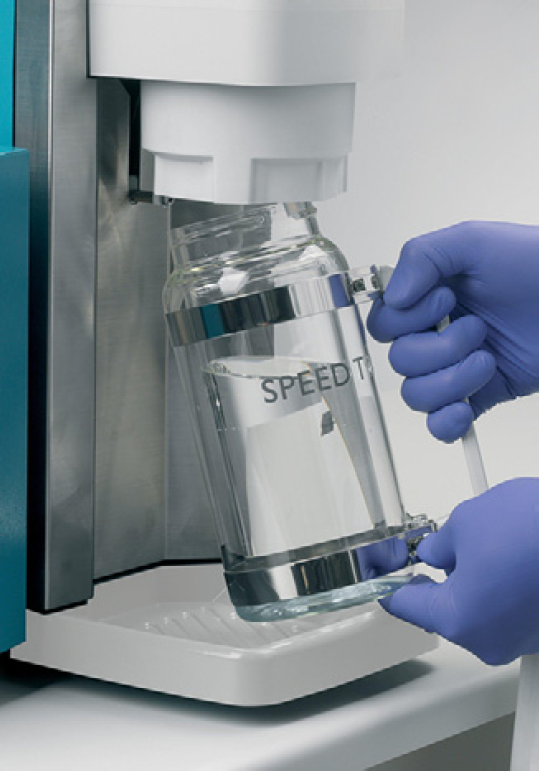
An evaluation of three different condenser (cold trap) designs and a discussion of their suitability for use with biological sample concentrators is available in a new technical report from Genevac. According to the company, refrigerated cold traps have been used for many years to condense solvent removed from samples as part of a vacuum evaporation or concentration process. Initially, cold traps were used to protect oil-lubricated vacuum pumps
from attack by organic solvents, but in recent years, their scope of application has been extended to help reduce evaporation times and to minimize solvent emissions into the laboratory environment.
The report compares the performance of the miVac SpeedTrap with two traditional cold traps, comprising a stainless steel vessel chilled by a gas compressor system, operating at −104 and −60 °C, respectively. Experimental results are presented and compared.
The cold trap operating at the lowest temperature is shown to be least effective performing poorly under load. The cascade design (−60 °C) cold trap is shown to perform better but was not optimally. The miVac SpeedTrap design, where the condenser coils are directly in the vapor path, proved most efficient. The miVac SpeedTrap condenser is also shown to have significant benefits in terms of ease of handling and operator safety.
For more information, visit www.genevac.co.uk/comparison, e-mail
Huber UK
CC Compatible Control Thermostats

The new Huber CC Compatible Control thermostat range is available with a wide range of both polycarbonate and stainless steel baths from 5 to 30 L capacity; with an operating temperature of −30 to 200 °C (additional cooling is required for operation to −30 °C).
According to Huber, what differentiates the CC Compatible Control range from other entry-level water baths is the flexible and service friendly plug-and-play control technology. This plug-and-play interchangeability allows users to upgrade thermostats from basic control to fully automated functionality with ease and at any time. The removable CC controllers simply plug into the front of the thermostat without the need for tools or special training. Each of the three controller options, CC1, CC2, and CC3 are simple to operate, featuring microprocessor control, digital display, menu operation, calibration, audio and visual alarm, and over temperature limiting. The CC2 also features external process control capabilities, ramping function and five-step programming; whereas the fully automated CC3 further includes a 50-step programming, RS232, RS485, and analogue interfaces.
The CC Compatible Control range is built to the same standards and uses the same microprocessor technology as the larger Huber chillers and Unistats to give users precise temperature control in an affordable benchtop water bath.
For more information, visit www.huber-uk.co.uk, e-mail
IDTechEx
Active RFID and Sensor Networks 2007–2017
The term Active RFID incorporates many technologies including Real Time Locating Systems, Ubiquitous Sensor Networks, and Active RFID with Zigbee, RuBee, Ultra Wide Band, and WiFi. A new research report by IDTechEx, entitled “Active RFID and Sensor Networks 2007–2017,” studies this market and finds that it is growing faster than other RFID technology sectors.
For more information, visit www.idtechex.com/activeRFID.
INTEGRA Biosciences
Technical Report: CELLine Bioreactors
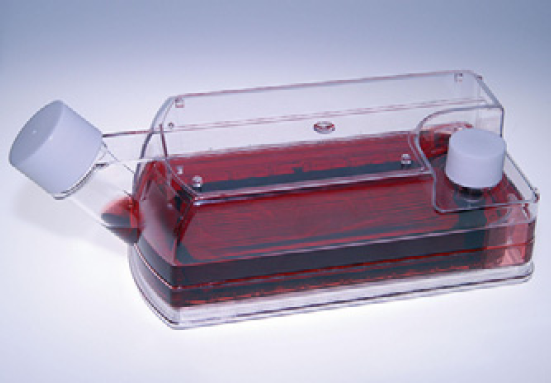
A new technical field report from INTEGRA discusses how replacing traditional roller bottle cell cultivation with CELLine bioreactors allowed a contract manufacturer to reduce the cost and time for production of 1 g of monoclonal antibody while increasing product quality.
According to INTEGRA, the parameters influencing the selection of a culture system include the amount of product required, the product quality, as well as the target cost and duration of the production process. Until relatively recently a trade-off between the last three factors—cost, time, and quality—has been generally necessary. In this new field report, the authors describe a culture system and protocol that make it possible to optimize all three factors simultaneously.
The field report describes the shortfalls encountered in manufacturing a batch of monoclonal antibody with roller bottles, and compares this with the advantages of using the CELLine bioreactor. A cost analysis, including the expenses from disposables, medium, serum, and labor, is presented for the production of 1000 mg of antibodies comparing the CELLine bioreactor with roller bottles. The analysis demonstrates using the CELLine bioreactor, labor costs were reduced by nearly 60% compared to the roller bottle system, mainly due to greatly reduced amount of supernatant that needed to be handled.
INTEGRA concludes that despite the relatively high costs of the CELLine bioreactors, the 30% reduction in production costs for 1 g of purified monoclonal antibody, the significant reduction of the labor costs, and of the material used for purification of the monoclonal antibody, more than compensate for this initial expenditure. An additional economical advantage of CELLine is often achieved when the costs for equipment amortization are considered.
For more information, e-mail
MEDIAJET Vario Petri Dish Filler

MEDIAJET vario is a new automated Petri dish filler from INTEGRA Biosciences purpose designed to fulfill the media preparation requirements of quality-control laboratories in the beverage and environmental/drinking water sectors. Further expanding the functionality of the MEDIAJET platform, the new system offers the capability to quickly prepare large numbers of 60-mm diameter Petri dishes typically used in filter assays for determination of total bacterial counts.
According to INTEGRA, the MEDIAJET vario is built to provide flexible productivity and can be converted from filling 90-mm diameter dishes to 60-mm diameter dishes in less than 5 min. A mechanical dish guidance system monitored by a set of sensors throughout the filling process enables walk-away operation. Operational downtime and media loss due to dish jams resulting from variations in the diameter, shape, and rim profile of the disposable plastic Petri dishes are completely eliminated.
All functions on the MEDIAJET vario are controlled via a large graphical user interface. Intuitive software ensures self-explanatory operation. The system has the ability to store up to 20 programmable methods, and is designed to incorporate into IQ/OQ certified environments. An optional inkjet printer module automates dish imprinting to ensure traceability. The MEDIAJET vario also has an Agar Spread Function capability that provides efficient use of agar by ensuring homogeneous distribution and an even surface.
For more information, visit www.integra-biosciences.com, e-mail
Lab901
ScreenTape System

According to Lab901, its new ScreenTape System is the first fully automated, walk-away solution for gel electrophoresis. The ScreenTape system comprises the TapeStation (which carries out liquid handling, electrophoresis, and imaging), ScreenTape (a consumable that contains the precast, prepackaged gel, and running buffer), and software. With no gel or buffer preparation and no system priming, even untrained operators can rapidly generate accurate and reproducible data.
The first ScreenTape consumables are optimized for the analysis of DNA fragments up to 800 bp. According to Lab901, this makes the system ideal for applications such as multiplex or simplex PCR analysis, genotyping, QC of Q-PCR products, and QC of DNA before microarray printing. Efficient and safe data storage is achieved through integrated bar coding and the generation of secure file formats for the analyzed data. Labs using gel electrophoresis can obtain full traceability and GLP compliance.
For more information, visit www.lab901.com.
Mettler Toledo
RTCal
According to Mettler Toledo, RTCal is the latest leading edge technology for measuring heat data online. It is a tool for process research and development chemists and engineers that is based on a built-in heat flux sensor. RTCal is complementary to the traditional heat-flow method, and can be used alone or together with heat flow to provide additional data. Because RTCal does not require any calibration, experiment times may be substantially shorter.
Measurements with RTCal are independent of properties or behavior of the reaction mass. Therefore, investigations of previously difficult-to-study chemistries, including polymerizations, homogenous, and heterogeneous reactions, become easier. As a built-in analytical method to provide the most-relevant safety information, RTCal allows users to make adjustments to the actual chemistry and optimization of process parameters online.
For more information, visit www.mt.com/RTCal.
MicroCal
iTC200 Isothermal Titration Calorimeter
The new iTC200 Isothermal Titration Calorimeter determines all binding parameters both label free and without the need for immobilization, using as little as 5–10 μg of protein. Requiring no assay development or dedicated user, the unit is designed to address the needs of drug discovery and development in such applications as hit selection, lead optimization, and binding characterization. According to MicroCal, the iTC200 Isothermal Titration Calorimeter's reduced size and associated sample requirements make it the fastest Isothermal Titration Calorimeter available.
The iTC200 is controlled by an intelligent user interface that assists in experimental design and processes data at the end of sample runs. Results are presented in an Excel format for further analysis or data transfer. For researchers currently working with the MicroCal VP-ITC, the new iTC200 provides the same high-quality data two to four times faster using sevenfold less sample volume and up to sevenfold less sample material. As an added advantage for those requiring higher throughput, the iTC200 can be easily upgraded to the fully automated Auto-iTC200, which is capable of running up to 50 samples a day and 384 samples unattended.
For more information, visit www.itc200.com.
Millipore
Burnham Institute Human Stem Cell Research Workshops
New 4- to 5-day training workshops in human stem cell research are being presented at least once each quarter by Millipore in conjunction with the Burnham Institute for Medical Research. The workshops, laboratory experiments, and technical seminars are being conducted by a team of Millipore, Burnham Institute, and independent stem cell specialists. Millipore and the Burnham Institute are developing, organizing, and executing the workshops, which offer new stem cell users direct access to leading stem cell technologies, researchers, and hands-on experience. There is a fee of $1500 to participate.
For more information, visit www.millipore.com/burnham-workshops.
Full-Length mTOR Kinase

New to Millipore's KinaseProfiler Service is the full-length mTOR kinase, which Millipore says is the first biologically relevant mTOR to be commercially available. The KinaseProfiler Service offers 264 kinases for selectivity profiling, using a catalytic radiometric assay format. The addition of the full-length mTOR to the KinaseProfiler panel provides high-quality, confidential screening of compounds against this critically important kinase.
For more information, visit www.millipore.com, or call 800.548.7853 or +1.951.676.8080.
Neurite Outgrowth Assay Kit
This new assay kit in Millipore's drug discovery product line uses high-content screening for imaging and analysis of neurite outgrowth and neuronal cell morphology. The kit offers a complete solution for specificity labeling and neuronal cell bodies for high-content imaging.
The kit uses high-quality, validated, target-specific detection reagents for profiling in a variety of species, including human, mouse, and rat. Large-scale screening is simplified through the assay reagents 24-h stability at room temperature.
Its primary antibody is immunofluorescence based to specifically label neurites and neuronal cell bodies in heterogeneous cell populations. High sensitivity-generating images with high signal-to-background ratios facilitate subsequent high-content analysis, which Millipore considers ideal for screening both inducers and inhibitors of neurite outgrowth neurotoxins.
For more information, visit www.millipore.com, or call 800.548.7853 or +1.951.676.8080.
CellCiphr Cytotoxicity Profiling Assay Kit
The CellCiphr Cytotoxicity Profiling Assay Kit using human HepG2 cells effectively detects drug-induced hepatotoxicity, and is expected to be used early in the drug discovery process. The CellCiphr Cytotoxicity Profiling Panel uses human HepG2 cells in an assay comprising high-quality, validated, multiplexed detection reagents and protocols for testing preclinical compounds against well-recognized cytotoxicity parameters. The assay was developed in collaboration with Cellumen and their proprietary Cellular Systems Biology approach to investigating cytotoxicity. Hence, profiling compounds with this assay panel takes advantage of the imaging, sensitivity, and multiplexing capability of high-content screening (HCS) instruments.
According to Millipore, the ability to recognize potential hepatotoxicity sooner in the drug-development pipeline may reduce the cost of identifying toxicity in expensive animal studies. The CellCiphr Panel provides multiplexed HCS analysis of 11 human cytotoxicity parameters over three time points (acute at 30 min, early at 24 h, and chronic at 72 h), generating 10-point dose–response curves in duplicate for up to 16 test compounds and four control toxins.
For more information, visit www.millipore.com, or call 800.548.7853 or +1.951.676.8080.
Oxford Gene Technology
Arrays for Cytogenetics
Oxford Gene Technology now offers two new array CGH (aCGH) products designed exclusively for the cytogenetics research community.
CytoSure Syndrome Plus is a 105,000-feature array covering the whole genome, and includes probes designed to 85 constitutional syndromes—including Cri du Chat, di Georges, and Prader-Willi—and other clinically relevant regions.
CytoSure ChrX array, a 44,000-feature array, has been developed in collaboration with Dr. Philippos Patsalis, Chief Executive and Medical Director at the Cyprus Institute of Neurology and Genetics in Nicosia, Cyprus. This design provides comprehensive coverage of all relevant clinical areas across the X chromosome at high resolution. CytoSure arrays are supplied with complimentary visualization software incorporating Copy Number Variation, gene, and exon annotation to ease data interpretation and build confidence.
For more information, visit www.ogt.co.uk, e-mail
PANalytical
X'Pert Reflectivity Software Version 1.2
According to PANalytical, this new version of its software tool is for the analysis of X-ray reflectometry data, which is important in thin film production and thin film processing research. X'Pert Reflectivity enables the automatic fitting of simulated to experimental specular X-ray reflectivity curves. This new version, which can be launched and controlled using X'Pert Automatic Processing Program, increases the
level of automation possible. Using a choice of three automatic fitting procedures, the software performs multiple simulations to refine selected sample and instrument parameters, ensuring the best fit with the measured data.
For more information, visit www.panalytical.com.
Epitaxy and Smoothfit Software Version 4.2
According to PANalytical, its new X'Pert Epitaxy and Smoothfit software version 4.2 allows the detailed analysis of semiconductor epitaxial layers using the company's X'Pert PRO MRD and earlier high-resolution X-ray diffractometers. The package is part of PANalytical's X'Pert software range that uses XRDML formatting. X'Pert Epitaxy and Smoothfit automatically fits simulated rocking curves to measurement data. It offers five different algorithms and can be tailored for unique fitting requirements. Default fitting parameters for all algorithms allow quick start use of the software and as experience builds, algorithms can be selected as required.
Users can choose from the following algorithms: Smoothfit, which controls adjustment parameters and obtains a measure of precision; Levenberg-Marquardt for automatic adjustment calculation; Principal Axis for a true statistical sweep of parameter space; Genetic Algorithm, a global optimization technique for starting parameter values of low confidence levels; and Simulated Annealing, which avoids local minima problems.
For more information, visit www.panalytical.com.
PerkinElmer
Simultaneous Thermal Analyzer 6000
According to PerkinElmer, its new Simultaneous Thermal Analyzer (STA) 6000 is a reliable and durable thermal analysis tool for routine and research applications in the polymers, pharmaceutical, ceramics, and food markets. The PerkinElmer STA 6000 applies advanced sensor technology and allows automatic optimization and analysis of data.
The STA 6000 simultaneously analyzes weight loss (Tg) and heat-flow changes (DTA and DSC) for enhanced measurements. Its SaTurnA sensor results in a flat DTA baseline providing high sensitivity and resolution, whereas the compact furnace allows for optimal temperature control for reliable results.
For more information, including a 4-min product video, visit www.perkinelmer.com/sta6000.
Updated S10 Autosampler for Atomic Spectroscopy
PerkinElmer's S10 Autosampler is a computer-controlled, multipurpose sampling system for atomic absorption, inductively coupled plasma-optical emission spectroscopy (ICP-OES) and inductively coupled plasma-mass spectrometry (ICP-MS). The autosampler automates standard and sample introduction for instrument calibration and sample analysis, extending the spectrometer's capabilities to those of a fully automated analytical workstation.
The new, improved S10 Autosampler features an advanced drive system with high-precision motors that move the sampling arm of the S10 in the X and Y coordinates simultaneously to minimize changeover time between samples. It includes random-access programming for flexibility and more than 200 vessel positions for maximum capacity. Easily interchangeable sample racks allow for faster analysis setup.
For more information, visit www.perkinelmer.com/s10.
OneSource Multivendor Qualification and Validation
PerkinElmer expanded its multivendor qualification and validation services for customers in heavily regulated environments. With the introduction of OneSource, a multivendor service for liquid chromatography/mass spectrometry (LC/MS), PerkinElmer now offers users a single point of contact to help ensure that the laboratory's entire LC/MS system is running optimally regardless of manufacturer.
OneSource consolidates all lab qualification requirements under a single provider to improve equipment uptime and reduce costs. The latest offerings also include the addition of a strategic consulting partnership with internationally renowned multivendor service expert Bob McDowall, along with an expanded validation library to fortify the company's multivendor validation capabilities, and the addition of more talent with proven validation track records in a regulatory environment.
PerkinElmer's multivendor services are scalable and tailored to meet individual customer requirements.
For more information, visit www.perkinelmer.com/service.
Porvair Sciences
MatCapper
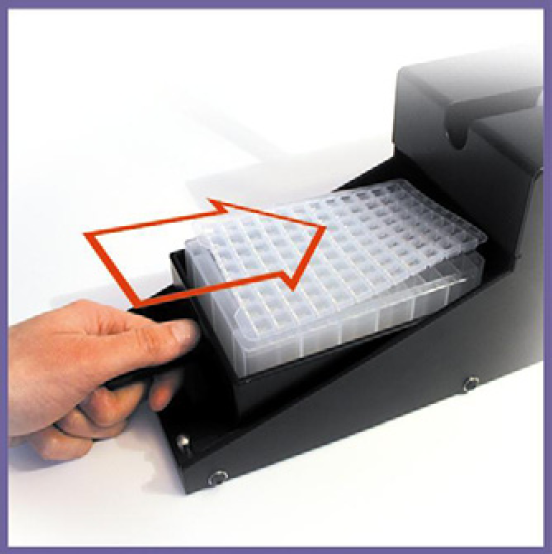
According to Porvair Sciences, the MatCapper is a budget-priced tool that reduces fatigue and the risk of repetitive strain injuries that can occur from repetitively hand sealing batches of microplates. Compact and portable, the MatCapper requires only one operation of the system to produce an accurate and tight seal on a wide range of both deep and shallow well microplates. The Mat Capper can enhance sample integrity and operational throughput with a special across plate pressure system that ensures perfect plate sealing time after time. An antislip base prevents movement while in use. The MatCapper is powder coated to resist chemical spillage.
For more information, visit www.porvair-sciences.com, e-mail
Ultravap
The Ultravap high-speed system for concentrating samples in 96- or 384-well microplates is now robot compatible.
For more information, visit www.porvair-sciences.com.
Bio-Dot PCR Plates
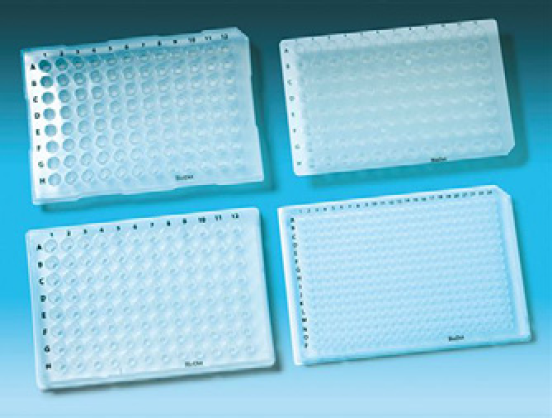
Designed for high-throughput polymerase chain reaction (PCR) assays, Bio-Dot PCR plates are compatible with the majority of 96-block and 384-block PCR and sequencing instruments. Manufactured from ultra-clean medical-grade polypropylene under Class 10,000 clean room conditions, Bio-Dot plates are free from DNase and RNase enzyme activity, enabling optimized PCR results. Available in 96-well and 384-well formats, plus a choice of full plate skirt, half plate skirt, or no skirt designs, Bio-Dot PCR plates high-rigidity minimizes distortion before and after thermal cycling.
For more information, visit www.porvair-sciences.com, e-mail
Radleys
Technical Bulletin: Heat-On Heating Blocks versus Another Leading Brand

Radleys' Technical Bulletin TDS02S describes a series of controlled heating tests comparing the heat-up times and energy consumption of its Heat-On heating blocks with another leading brand. According to Radleys, scientists are increasingly turning to specially designed aluminum blocks located on stirring hotplates as a safer, cleaner, and faster way of heating standard round-bottomed flasks (105000 mL). This new Technical Bulletin TDS02S demonstrates that not all heating block designs are the same.
In the energy consumption test, comparative experimental data are provided demonstrating that Heat-On uses up to 30% less energy to heat up a stirred solution to 100 °C. To compare heat-up performance, comparative tests were performed in 100, 500, and 2000 mL blocks. Experimental data demonstrate Heat-On heats up to 66% faster than the other heating block design.
The report concludes that the lower thermal mass of the Heat-On produces significantly faster heat-up times and faster postsynthesis cool down times. In addition, the Heat-On proprietary well design, that eliminates sticking and cracking of flasks associated with other heating block designs, maximizes the heated surface area further contributing to improved heat-up times.
For more information, visit www.radleys.com, e-mail
Greenhouse Blowdown Evaporator

The GreenHouse Blowdown Evaporator from Radleys, for safe and productive removal of solvents from samples in tubes, vials, and microplates, is now available in North America.
According to Radleys, unlike traditional blowdown evaporators, the environmentally friendly design of the GreenHouse Blowdown Evaporator maintains all of the evaporating solvent in an enclosed system, allowing subsequent trapping and collection via a high performance glass condenser. Using a precisely controlled flow of inert gas channeled through a multipin blowdown plate, combined with digitally controlled heating, the system is able to productively remove solvent from up to 24 samples in parallel. Precise heat control and operation at ambient pressure minimizes the possibility of sample thermal degradation and cross-contamination due to solvent bumping found with some vacuum evaporators.
For more information, visit www.radleys.com, e-mail
RTS Life Science
SmaRTScreen
According to RTS, its new SmaRTScreen offers a simple, compact, flexible automated alternative to manual assaying for many pharma departments, particularly those working in early ADMETox, assay development, and lead optimization. SmaRTScreen also offers plate replication and small-scale cell culturing, and features three distinct functions: storage and incubation, liquid handling, and plate reading. The instruments in SmaRTScreen are typically served by a smaller robot, typically a Staubli TX40, as a result, the entire system footprint can be as low as 2m2. Sprint scheduling software future proofs SmaRTScreen by allowing instruments to be replaced as they are superseded, and creates subgroups of instruments to allow specific instruments to be chosen for an allotted task.
For more information, visit www.rts-group.com or www.rtslifescience.com.
Bench Top Instruments
RTS LIFE Science now offers a new range of bench top, semiautomation solutions for inhaler and nasal-spray testing for pharmaceutical development and quality-control laboratories. RTS' Bench Top Shaker-Firing Solutions assist in the
development, formulation testing, and the collection of regulatory submission data, as well as validation of Metered Dose Inhalers. In tests, RTS' Bench Top Shaker-Firing Solutions achieve equivalent results to those obtained by manual methods when both used the same waste firing sequence.
For more information, visit www.rts-group.com or www.rtslifescience.com.
The Automation Partnership
Advanced Plating Module
According to The Automation Partnership (TAP), its new advanced plating module (APM), designed as an option for automating media changes in microplates on TAP's CompacT SelecT automated cell-culture system, offers a simple, affordable method of increasing cell-culture productivity.
The APM option for CompacT SelecT includes a CO2 cell-culture incubator and TAP's SelFeeder liquid-handling system for plates. This new module, controlled by TAP's new SelPlan software, allows changes of up to 10 different media and two wash solutions in standard and transport assay microplates, making it easy to rapidly generate and maintain different cell lines of consistently high quality, without manual intervention.
The APM's design can accommodate between 140 and 210 SBS standard 384-, 96-, 24-, and 6-well and Transwell plate formats, and the incubator can hold a mix of up to ten 21-shelf standard plate and 14-shelf medium height Transwell plate hotels.
For more information, visit www.automationpartnership.com.
Thermo Fisher Scientific
Reading Room Web Site

Thermo Scientific's new Reading Room Web site is dedicated to all aspects of microplate reading. The interactive tools and supporting material are intended to assist users in making informed choices. An Application Zone provides a comprehensive directory of downloadable application notes listed both by product and technology, and a Reference Section provides details of scientific peer-reviewed publications where Thermo Scientific microplate readers have been featured. Researchers can also submit their own stories about their use of Thermo Scientific microplate readers through the Readers in Action tool.
For more information, visit www.thermo.com/readingroom.
TurboFlow Technology and Pharmaceutical Compliance
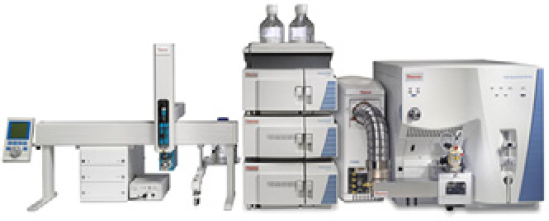
According to Thermo, its TurboFlow technology can assist pharmaceutical researchers to comply with U.S. Food and Drug Administration (FDA) regulatory guidelines on matrix effects, particularly for LC–MS/MS analysis. Thermo Scientific TurboFlow technology coupled with the Thermo Scientific TSQ Quantum triple quadrupole mass spectrometer and FAIMS (High-Field Asymmetric Ion Mobility Mass Spectrometry) technology provides an integrated LC–MS/MS solution.
When used with the TSQ Quantum, Thermo says the system delivers fast and efficient quantitative results with the lowest ion suppression and chemical noise, resulting in highly sensitive bioanalytical methods, development of more robust methods, and reduction in analysis failures. This solution allows scientists to reduce matrix effects during preclinical bioanalysis, making it easier to comply with the FDA/CDER Bioanalytical Method Validation Guidance that states: “In the case of LC-MS-MS-based procedures, appropriate steps should be taken to ensure the lack of matrix effects throughout the application of the method, especially if the nature of the matrix changes from the matrix used during method validation.”
TurboFlow technology assists pharmaceutical researchers in reducing matrix effects by retaining small molecules, excluding proteins and larger materials. This enables users to directly inject biological samples into the LC–MS/MS system before analysis, which Thermo considers to be a significant advantage in preclinical bioanalysis.
For more information on TurboFlow technology, visit http://www.thermo.com/cohesive. For more information about the Thermo Scientific LC and MS product portfolio, visit www.thermo.com/ms, e-mail
ARL 9900 Series X-Ray Workstation

According to Thermo, for the first time, the new Thermo Scientific ARL 9900 Series X-ray Workstation combines full X-ray Diffraction (XRD) and X-ray Fluorescence (XRF) into a single instrument, making possible to perform a complete elemental (chemical) analysis and determine the mineral or structural composition on the same sample under vacuum with one single X-ray instrument.
The Thermo Scientific ARL 9900 Series X-ray WorkStation is designed to operate in real industrial environments with quick and easy installation, operation, and validation. On-site customization of various programs is achieved with effective control files and optimized sample preparation for both XRF and XRD.
For more information, visit www.thermo.elemental, e-mail
SMS-2000 Sample Manipulation System

A new, entry-level version of the ARL SMS-2000 Sample Manipulation System for automated metal analysis is now available from Thermo. Designed to offer foundries and other metals producers a way to fully automate sample analysis, the ARL SMS-2000 EL features a high-sample process rate, reliability, and ease of use.
According to Thermo, reliability and quality of results are often proportional to sample rates—the more infrequent the analysis and the higher the number of different operators, the more dispersed the results become. The ARL SMS-2000 EL eliminates these problems with the inclusion of automatic sample introduction and handling, whereas analysis and distribution of results are automated with no user intervention required.
Several options are available to expand the system, including customized and flexible sample registration, monitoring of the instrument performance with automatic correction in case of drift, control charts for recording the instrument performance, vision system, sample marking, and automatic sample preparation.
For more information, visit www.thermo.com/elemental, e-mail
1300 Series A2 Class II Biological Safety Cabinet

According to Thermo, its 1300 Series platform offers the highest levels of safety and reliability with significantly improved energy efficiency, simpler operation, and less maintenance than traditional cabinets.
With advanced internal airflow and motor technology, the cabinets offer safety, ergonomics, and energy efficiency. At full speed, the motors consume less energy than standard cabinets. To further conserve energy, the intelligent speed control automatically reduces blower speed to 30% when the window is closed. This technology extends HEPA filter life while ensuring a sterile working environment, and saves energy to minimize operating costs. Noise output has also been reduced to <63 dB(A) (four foot model), increasing user comfort. In addition, a simple-to-operate microprocessor control clearly displays essential operational, safety, and service data.
The patented front window of the Thermo Scientific 1300 Series cabinet drops within its frame to enable full access to the upper inside window surfaces. All removable components, including the HEPA filters, can be changed from the front. In addition, smooth components are used throughout the cabinet to eliminate risk of injury. The optional UV light is programmable from 1 to 24 h, and there is a selection of fixed and adjustable stands.
For more information, visit www.thermo.com/1300.
Speciation Analysis Capabilities for High-Resolution ICP-MS
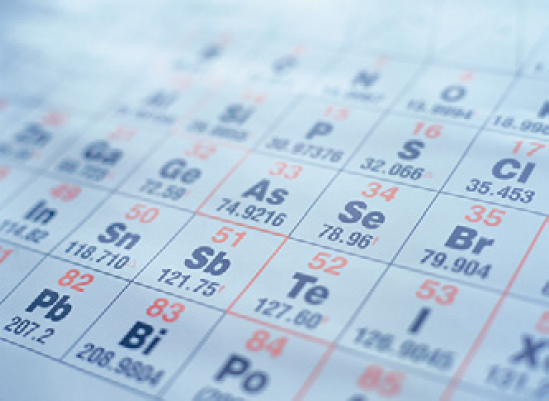
A new kit for coupling gas chromatography (GC) to the Thermo Scientific high resolution ICP-MS ELEMENT 2 and ELEMENT XR is now available. Designed to enable scientists to use a high-resolution magnetic sector field ICP-MS as a detector for GC, the kit extends traditional ICP-MS capabilities for elemental speciation analysis of volatile compounds. This novel system is the latest offering in the Thermo Scientific ELEMENT 2 and ELEMENT XR, which are manufactured at the company's Mass Spectrometry Center of Excellence in Bremen, Germany.
According to Thermo, in recent years, there has been increasing interest in the ability to perform measurements of not just the total concentration of elements in samples, but also the relative levels of the different species of elements that are present. This is because each molecular compound or oxidation state of an element exhibits unique properties such as toxicity, reactivity, or metabolic pathway in living organisms. An effective analytical approach to enable this type of speciated elemental analysis is by separation, using a chromatographic technique, and detection using the highly sensitive element-specific technique of ICP-MS. Separations for volatile species can be performed using GC, while detection with high-resolution ICP-MS offers the benefit of increased sensitivity and selectivity. The Thermo Scientific kit enables analysts working in the environmental, clinical, and biological markets to detect and quantify the volatile compounds of elements such as sulfur, tin, phosphorous, mercury, and bromine, at significantly lower levels than traditional techniques thanks to the solution's high sensitivity and, in some cases, the ability to resolve interfering ions from the mass spectrum.
Thermo Fisher Scientific already offers a GC coupling kit for the Thermo Scientific XSERIES 2 quadrupole–based ICP-MS, and has used the same dual sample introduction for the high-resolution ICP-MS. This offers simple instrument setup and internal standardization using simultaneously nebulized solutions in parallel to the GC sample gas stream. According to Thermo, this new GC-ICP-MS interface for high-resolution ICP-MS is unique in the market.
For more information, visit www.thermo.com/elemental, e-mail
ConFlo IV Universal Interface

The new ConFlo IV Universal Interface is for GC, LC, and elemental analyzer coupled with isotope ratio mass spectrometers. According to Thermo, the ConFlo IV enables immediate switching between as many as three sample preparation devices to reduce idle time while increasing sample throughput. It incorporates the new smartEA mode that for the first time allows automated pre-evaluation and adjustment of sample gas intensities, improving the ease of operation for all users. In addition, the flexible computer-controlled auto-dilution of sample and reference gases can enhance long-term stability and robustness of applications. The software also controls the stand-by and start-up of Thermo Scientific TRACE GC and Flash EA modes, leading to substantial reduction in operation costs.
For more information, visit www.thermo.com/conflo, e-mail
Sorvall Centrifuges

The new Sorvall T1, T3, and G3 Centrifuge Series is a family of centrifuges for clinical laboratories. Six different models offer capacities ranging from 0.5 to 3 L, and are available in both ventilated and refrigerated versions.
According to Thermo Fisher Scientific, the ventilated Sorvall T1 and refrigerated Sorvall RT1 centrifuges offer 1.2 L of capacity and a broad range of rotors for flexibility. Supporting up to 60 × 5/7-mL blood tubes or 16 × 50-mL conical tubes per run, this platform is considered to offer an outstanding cost-per-tube ratio. Equipped with the 48 × 2-mL carbon fiber rotor, the Sorvall T1 and RT1 centrifuges also can spin microtubes at over 23,000 × g. In addition, an Auto-Lock rotor exchange system enables secure rotor changes within 5 s, and a broad range of accessories are safe and bio-contained. “Quick recall” keys on the control panel provide instant access to most frequently used protocols and to the precooling function.
The ventilated Sorvall T3 and refrigerated Sorvall RT3 3-L benchtop centrifuges can process 108 × standard 5 and 7 mL vacutainers, 28 × conical tubes, or 16 × microplates, offering exceptional throughput and speed for large clinical laboratories and hospitals.
The ventilated Sorvall G3 and refrigerated Sorvall RG3 floor-standing centrifuges offer the same speed and capacity as the Sorvall T3 and RT3 in a convenient, compact, and mobile floor.
For more information, visit www.thermo.com/centrifuge.
Velocity11
Technical Poster: Automating Kinetic Fluorescence Whole-Cell Assays

Velocity11 shares insight on the application of its BioCel Automation Platform for use in high-throughput kinetic fluorescence assays through a new technical poster entitled “’Automating Kinetic Fluorescence Whole Cell Assays Using the Velocity11 BioCel Screening Platform.” The poster describes how a labor-intensive, multistep assay is automated, providing significant time savings and enhanced assay consistency.
According to Velocity11, kinetic fluorescence whole-cell assays are widely used in high-throughput screening laboratories; however, a persisting challenge for this type of assay is in its automation. These assays frequently involve wash steps and multiple plate additions, and ideally should be prepared entirely at 37 °C.
Using a Velocity11 BioCel Automation Platform, the authors describe a protocol for performing the entire process in a controlled environment. An example of an HTS process using the developed protocol is given that demonstrates significant increases in throughput compared to a traditional workstation approach. Simultaneously, the automated protocol enables the screening scientist to run a much larger number of plates per day while maintaining assay standards and decreasing the amount of manual labor required.
For more information, visit www.velocity11.com/site/files/File/P022.pdf, e-mail
Labware Racks for BenchCel Microplate Handling System and VStack Labware Stacker

The range of Labware Racks for Velocity11's BenchCel Microplate Handling System and VStack Labware Stacker has expanded. Now, Velocity11 offers three different labware rack types. The existing economy rack continues to be supplied as standard equipment, but a new slot-style rack is optionally available in four sizes (tall, standard, small, and extra small). The slot-style rack is designed to allow users to simply load a stack of ANSI compliant labware (microplates, lidded microplates, tube racks, and disposable tip boxes) by sliding them in from the top of the rack down in a continuous path.
In addition, a new front opening-door-style premium rack is available in two sizes—standard and extra small. For users who want to avoid lifting labware above the top of a rack, the door-style rack features easy front loading even while attached to the BenchCel Microplate Handler or VStac Stacker. Users can choose to load labware either by using the opening-door feature or load as with the slot-style racks. The front door mechanism has a positive locking feature to ensure the labware is held securely. The door-style rack in extra-small size is considered by Velocity 11 to be ideal for instruments placed in safety hoods, where access for loading labware is limited and taller racks will not fit due to the height limitation of the hood. All three rack styles work with Velocity 11 products in a forward or reverse position.
For more information, visit www.velocity11.com, e-mail
Viscotek
Application Notes: Characterization of Different Polysaccharides


Viscotek has produced a series of new application notes demonstrating how precise and comprehensive characterization of different polysaccharides can be achieved with its Triple Detection GPC system.
Chitosans are a focus of interest for various applications. They can be used in a range of medical applications as they are biocompatible, hypoallergenic, biodegradable, and bioabsorbable. Triple Detection Application Note 7 examines how physical processing of chitosan samples can directly affect characteristic properties, such as molecular weight distribution, size, and conformation. The application note demonstrates how by using the Triple Detector approach, changes in molecular structure and molecular chain length can be simultaneously and independently monitored.
Many hydrocolloids such as agar, pectin, gelatine, and carrageenan find application as thickening, gelling, and stabilizing agents in products such as frozen desserts, chocolate milk, yoghurt, and toothpaste. In the application note “Structural Distribution of Carrageenan Samples,” a Viscotek Triple Detection GPC system and OmniSEC software are used to fully characterize three carrageenan samples at elevated temperature to ensure complete dissolution. Data are provided demonstrating how the tripe detection technique provides valuable information on chain conformation and the structural distribution of the Kappa, Iota, and Lambda forms of this complex naturally occurring polymer in a single experiment.
Maltodextrins are produced from the degradation of starch, often by the use of enzymes. The products are widely used as ingredients in food and pharmaceutical products. Because maltodextrins are derived from starch they are a mixture of both linear and branched molecules. This can lead to large errors if they are characterized by conventional GPC. The application note “Analysis of Maltodextrins” shows how the use of Triple Detection GPC can clearly measure the differences in both structure and molecular weight for three maltodextrins with similar bulk viscosities but very different end-use properties.
Triple Detection sets the standard for GPC/SEC technology and is the preferred method for even complex polysaccharides. The Viscotek Triple Detector System (TDA) uses a concentration detector, viscometer, and Low Angle Light Scattering (LALS) detector acting in concert, with each detector providing complimentary but different information. Using LALS to measure molecular weights is extremely important when studying large biomolecules such as polysaccharides. Other extrapolation-based light scattering techniques, such as those using multiangle detectors, cannot be used because the large molecule sizes result in large data fitting errors. By comparison, the Viscotek LALS detector measures scattered light at 7°, close enough to zero that the measurement is direct with no need to extrapolate or calculate to get accurate molecular weight and structure data.
The application notes demonstrate that it is the combination of the three detectors acting in concert that allows the Viscotek TDA system to unlock molecular weight distribution, viscosity, molecular size, conformation, and branching frequency data from the polysaccharide samples.
For more information, visit www.viscotek.com, e-mail
Warwick Analytical Service
ICP-OES Spectrometry Service

According to Warwick Analytical Service (WAS), the analytical division of Exeter Analytical, recent investments in microwave digestion equipment is now enabling them to prepare and analyze a wide range of demanding sample types by ICP-OES spectrometry. The new high-pressure microwave digestion apparatus enables WAS to take samples (metal oxides, metallic catalysts, polymers, geochemical materials) that do not dissolve well by traditional means and effectively and rapidly digest them ready for ICP-OES analysis. The new Automated Microwave Digestion/ICP-OES analysis service is available for the determination of a wide range of major and trace elements in a single analysis.
For more information, visit www.warwickanalytical.co.uk, e-mail
Zinsser Analytic
Micro-Polyvials 1.5
Micro-Polyvials have been developed for storage and packaging low volumes of reagents. They are made of high purity, virginal polypropylene. The design of the closure ensures tight sealing without the use of septa or liners. With their slight conical-shaped bottoms, the Micro-Polyvials are considered by Zinsser to be ideal for high recovery. The Micro-Polyvials are easy to open and close due to their large shoulders and the ergonomic structure of their caps. Both white and colored caps are available.
For more information, visit www.zinsser-analytic.com; e-mail
More News
Advion BioSciences announced that its Advion BioSystems division acquired NanoTek, and said that the addition of NanoTek to Advion's micro- and nanoscale LC–MS analytical platform enables the combined companies to assume a strong position in microfluidic chemistry solutions. Advion intends to provide a complete chemistry and analytics approach for imaging diagnostics, drug discovery, and biomarker research. Before the acquisition, Advion had been the global distribution and support partner for NanoTek. Data taken at Yellowstone National Park during Mission #2 of the ARTEL Extreme Pipetting Expedition show that pipettes deliver volumes inaccurate by up to 37% when handling fluids at temperatures different from the pipettes. Called thermal disequilibrium, this source of error is prevalent in today's laboratories, as many assays and tests require the addition of liquids that are warmer or colder than the laboratory environment and the actual pipettes. The Extreme Pipetting Expedition is a multiphase, yearlong scientific study to investigate and illustrate the impact of laboratory conditions on data integrity. ARTEL appointed Bjoern Carle, Ph.D., to the position of Laboratory Applications Scientist. Dr. Carle will play an integral role in ARTEL's Research and Development efforts by contributing to the design and engineering of new products and product enhancements. Dr. Carle also will provide instrument validation and on-site customer training as part of ARTEL's LHQA (Liquid Handling Quality Assurance) suite of services. Aspectrics extended the warranties on its EP-NIR and EP-IR instrumentation and accessories. The 1-year warranty on Aspectrics' EP-NIR and EP-IR spectrometers was extended to 3 years for parts and labor, and a new 10-year parts and labor warranty was added to the encoder disk motor. In addition, the warranties now include all parts and labor for repair at Aspectrics' Pleasanton facility. BioTek Instruments expanded its global operations with new offices in China and India. Cellexus Biosystems entered into a distribution agreement with IUL Instruments of Königswinter, Germany. IUL distributes an extensive range of cell-based reagents and instruments to the biotechnology and biopharmaceutical industries, covering countries from Austria to the Netherlands. CT Robotics, a new robotics automation company founded by Brian Harris, was selected by Adept Technology to provide exclusive sales and applications services for Adept Technology in the Northeastern United States and Canada. CyBio and Macherey-Nagel signed a nonexclusive collaboration agreement for the joint development of applications to automate Macherey-Nagel kits on CyBio liquid-handling instruments. The cooperation focuses on the automation of nucleic acid preparation from various biological sample materials, and the purification of PCR products. Eksigent announced a new distribution agreement with Nova Analitica of Brazil. The agreement covers sales and service of Eksigent's NanoLC HPLC product line. FEI Company and The Scripps Institute announced that the Leginon software system, an advanced solution for automated control and image acquisition from a transmission electron microscope, is now available to the global scientific community as open source code. The Leginon software was developed by Scripps with funding from the National Center for Research Resources, National Institutes of Health and has been marketed by FEI since 2003. It is most commonly used for single particle analysis applications, where three-dimensional models of nanoscale particles are created. FEI Company sponsored two modules (NanoScaling and NanoImaging) in a new series of video games entitled NanoMission. According to FEI, the series is part of a solution designed to inspire young gamers as they adventure into the world of the nanoscale. The series is produced by London's PlayGen, which was founded in 2001 to enhance players' lives by educating while entertaining them through interactive environments based on real science. Green Mountain Logic (GML) announced an agreement to develop an interface between its LabPas CT and OmniComm's TrialMaster electronic data capture (EDC) product. In addition, GML announced that ClinPhone agreed to develop an interface between its EDC product and LabPasCT. GML's LabPas CT, an enterprise solution for Phase I clinical trials, electronically captures validated data during recruiting, on the clinic floor, in the lab and through export to EDC. Guava Technologies was successfully audited to the requirements of ISO13485:2003 by BSI Management Systems. With this certification, the company said it will redouble efforts on medical devices for the international market, covering a variety of therapy areas, beginning with HIV/AIDS. High Resolution Engineering signed a contract to supply the Burnham Institute for Medical Research with specialized equipment for storing and screening large biological libraries. To be installed at the Institute's Lake Nona, Orlando campus, the new three-pod system, said to be the largest of its kind in the industry, will fortify Burnham's bicoastal research and drug discovery efforts. Hyphenated Systems sold a 3D MAP (Microfluidics Analysis Platform) to Harvard University for use by the Whitesides Research Group, Department of Chemistry and Chemical Biology. The new system, the second tool acquired from Hyphenated Systems by Harvard, adds the capability of inverted microscope optics, which permits enhanced access to the microfluidic device for additional sensors and experimental apparatus. IDBS announced that its complete E-WorkBook Suite was independently validated by the Sociedad de Validatión de Sistemas against the FDA's 21 CFR Part 11 and Good Laboratory Practice guidelines. E-WorkBook was validated against the regulations since 2006, and now the full E-WorkBook Suite, including BioBook and ChemBook, has been successfully validated. IDBS renewed its participation in the SAFE-BioPharma Association Vendor Partner Program. SAFE creates and manages the SAFE digital identity and digital signature standard used within the pharmaceutical industry. The Labcyte Portrait 630 reagent multispotter was selected by an independent panel and the editors of R&D Magazine as one of the 100 most technologically significant products introduced into the marketplace over the past year. The Portrait 630 reagent multispotter uses the Labcyte acoustic droplet ejection technology to bring automated reagent deposition to the new field of MALDI tissue imaging mass spectrometry. Oxford Gene Technology (OGT) and Ocean Ridge Biosciences (ORB) announced the completion of a license agreement granting ORB access to one of OGT's Southern array patents, the fundamental patents covering the manufacture and marketing of oligonucleotide microarrays. The granted license enables ORB to offer complete DNA expression and microRNA profiling services worldwide. In addition, OGT granted access to its Southern Array patents to Applied Microarrays (AMI), which recently acquired Codelink technology from GE Healthcare. AMI is licensed to fabricate, market, and distribute Codelink microarrays worldwide. In addition, this license grants OEM rights allowing AMI to manufacture custom microarrays for third parties under its own brand name. All microarrays fabricated by AMI include rights for their use within Service organizations. Oxford Gene Technology appointed Dr. Tim Cook to the OGT Board as a nonexecutive director. Dr. Cook most recently spent 10 years as executive director at Isis Innovation, the technology transfer company of Oxford University. For the second year in a row, Pathology Associates Medical Laboratories was the Gold Team Winner in the ARTEL Pipetting Olympics. ARTEL's contest, held each year during National Medical Laboratory Professionals Week, challenges laboratory technicians to test the accuracy and precision of their pipetting skills against colleagues and other laboratories. Because operator variability is a major source of pipetting error, proper technique is critical. The Pipetting Olympics gives technicians an opportunity to improve pipetting skills while participating in a fun, team-building event. The Gold Team Prize was a $300 gift card to be used toward a team lunch. According to Porvair Sciences, a U.S. not-for-profit marine laboratory was faced with the need to securely seal premade 96-well polystyrene plates configured with reagents for the detection of a variety of noxious and hazardous algae, and required a productive plate sealer that was both easy to use and efficient. The laboratory chose a MiniSeal from Porvair Sciences, and established a program of semiautomated protocols that allow them to securely store premade plates and/or ship them to other laboratories around the world. Roche Diagnostics signed two new contracts with Novation, the health care contracting services company of VHA and the University HealthSystem Consoritum (UHC). Nearly 2500 VHA and UHC members spend about $425 million annually on chemistry and immunoassay products. Using the power of bulk purchasing, Novation negotiates savings for its alliance members on key products and services. The Roche 3-year contracts for chemistry and immunoassay products, including automation, begins July 1 and continues through June 30, 2010. Roche has held contracts with Novation in these product categories for the past 5 years. SP Industries announced that Genevac now provides European representation of its FTS SMART Freeze-Dryer Technology, a development tool that enables scientists to accelerate and streamline the task of developing freeze-drying cycles for protein-based therapeutics. SMART Freeze-Dryer Technology is available exclusively on the FTS LyoStar II R&D and Process Development freeze-dryer. Genevac also provides European and Asian distribution of the FTS Bio-Cool, which SP Industries calls the most reliable, safe, and easy-to-use controlled rate freezer for cryopreservation. Typical applications include cryopreservation of human and animal embryos, biological tissue, and cell lines. Stäubli Robotics hired Scott Collier as regional sales manager for the west coast, including Arizona, California, Oregon, Washington, and Nevada. Mr. Collier has a masters degree from BIOLA University in Los Angeles, CA, and more than 10 years of industrial experience. The Automation Partnership (TAP) invited key members of the scientific community to an Open Day in July to preview Polar, its −80 °C automated biological sample management system for U.K. Biobank, the world's largest prospective study of the link between disease, environment, and genetic factors. Polar that was being prepared for final testing at TAP's manufacturing facility in the U.K. will eventually store, retrieve, and track up to 10 million samples stored at −80 °C for an estimated 25 years. It will be also capable of accurately selecting any single or programmed array of 2D coded samples from this vast collection. Thermo Fisher Scientific acquired all assets of the OptiCell product line from BioCrystal. Included in the transaction were trademarks, production equipment, inventory, and 12 patents related to OptiCell technology. Thermo Fisher Scientific announced that the 500th iCAP 6000 ICP emission spectrometer produced at its facility in Cambridge, U.K., was shipped to Boeing for use at its Frederickson facility in Washington State, USA, for use in the quality assurance laboratory to monitor the contents of chemical tanks used in the production of aluminum wings and other structural components. It will be analyzing traces of metals including copper and iron in the tanks, which range in capacity from 34,000 to 59,000 gallons. Among others using the iCAP 6000 Series of ICP emission spectrometers is Midwest Laboratories, which chose the iCAP 6000 Series to perform soil analyses in its agricultural laboratory. The iCAP 6000 Series allows Midwest Laboratories to process approximately 2000–3000 samples per day, evaluating the nutrient levels of soil while advising farmers on the type and amount of fertilizer to use to achieve and maintain optimum growth levels. R&D Magazine named the K-Alpha from Thermo Scientific as one of the top 100 most technologically significant products introduced into the marketplace over the past year. According to Thermo, using the technique of X-ray Photoelectron Spectroscopy, its K-Alpha can enable rapid, accurate, and cost-effective quantitative monitoring of the surface chemical composition, providing chemical characterization of the top few nanometers of inorganic, organic, biological, metallurgical, semiconducting, and magnetic solids. Designed for high-throughput sample analysis, the system incorporates data processing algorithms offering full automation for data acquisition through to interpretation and reporting. Thermo Fisher Scientific's informatics solutions won Scientific Computing's 2007 Readers' Choice Awards in four categories. The awards represent the company's end-to-end informatics offering, including chromatography data systems (CDS), spectroscopy software, LIMS, and bioinformatics. Each year, approximately 45,000 scientific and IT managers vote for the best products in their field, and this year Thermo Scientific Atlas CDS, SampleManager LIMS, Kinetica bioinformatics software, and GRAMS spectroscopy software achieved winning nominations. ESKOM signed a contract with Thermo Fisher Scientific to rollout the Thermo Scientific SampleManager LIMS to its 34 laboratories. The project will be delivered via Thermo Fisher's partner in South Africa, LimsTricS. TTP LabTech recruited Doug Mann to its U.S. east coast support division as a field service engineer. He joins U.S. Sales & Support Manager Ben Schenker who was relocated from the company's U.K. headquarters. The University of Liverpool's Department of Pharmacology and Therapeutics within the School of Biomedical Sciences added an RTS Life Science SmaRTStore to its laboratory. According to RTS, the Liverpool team is considered to be one of the U.K.'s leading departments in the analysis of adverse drug reactions. SmaRTStore is the only small, automated store to provide storage for vials, plates, and tubes at temperatures from ambient to −20 °C.
Association for Laboratory Automation
ALA Segway to Success Campaign

Get going on the ALA path to personal growth, recognition, and career success. Share your best work with ALA before January 25, 2008, and become eligible to win a Segway PT ($5,000US value). Here's how:
Submit a manuscript to JALA. Submit an abstract for a LabAutomation2008 Podium Presentation. Submit a poster for LabAutomation2008.
Each submission equals one chance to win in a random drawing of all submissions received. Submissions are eligible to win regardless of whether they are selected for presentation at LabAutomation2008 or publication in JALA. For more information, including submission guidelines and official sweepstakes rules and regulations, visit www.labautomation.org.
JALA publishes six peer-reviewed issues each year, and accepts manuscripts on an ongoing basis from ALA members and nonmembers. Lab automation professionals are invited to showcase their achievements by submitting method-focused scientific papers for publication consideration. Manuscript guidelines and submission information are available at www.labautomation.org/journal/submissions.cfm.