




Abstract

A2 Technologies
Mobility Series of FT-IR Spectrometers

Developed for use in the field, these portable, rugged spectrometers from A2 Technologies are purpose built to move FT-IR spectroscopy out of the conventional analytical laboratory and closer to the source of the sample. Consisting of three systems, the MLp, the ML, and the MLx, the Mobility series is designed to survive in rugged environments, and be operated with little to no training. A2 Technologies consider it as an ideal real-time process-monitoring tool for the petrochemical industry, lubrication condition monitoring, food analysis, and mining applications.
Featuring an intuitive operating system, the Mobility series FT-IR spectrometers can provide actionable information so decisions can be made on the spot. They incorporate two new diamond-based sampling systems—one using the principle of internal reflection and the other featuring a new type of transmission cell. Between these two diamond-based systems, a broad range of liquids, solids, oils, gels, and pastes can be easily analyzed.
For more information, visit www.a2technologies.com, e-mail
Real-Time Oil Analysis and Reporting for Mobility FT-IR
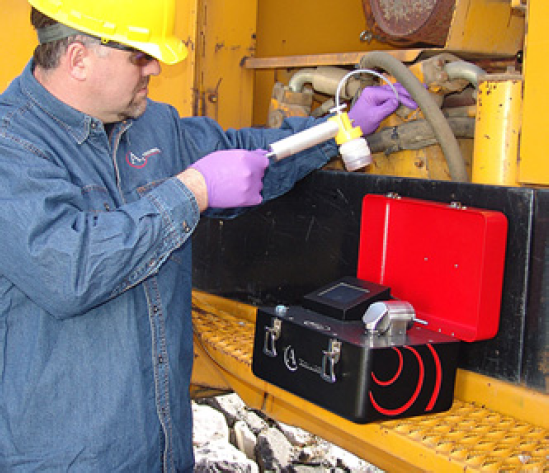
Real-time Oil Analysis and Reporting (ROAR) is available for A2 Technologies' portable Mobility FT-IR spectrometer series. The combination of A2 Technologies' ROAR software and diamond-based oil sample measurement, enables users of mining equipment, fleet trucking, earth-moving equipment, and power stations to get accurate real-time information about the condition of lubricating fluids directly in the field.
With A2 Technologies' ROAR capability, spectrometers inform users of the types of samples being analyzed, the results, any trends of the analyses, as well as a comparison on earlier analysis. The report is also capable of distinguishing and recommending steps to take following the analysis. By tracking key indicators, such as the levels of water, soot, glycol, oxidation, sulfation–oxidation, and nitration in real-time, users are able to ascertain the condition of lubricating fluids, on the spot.
For more information, visit www.a2technologies.com, e-mail
Activotec
Synthesis Service for Custom DNA-Peptide Conjugates

Activotec now offers a new synthesis service for custom DNA-peptide conjugates using the native chemical ligation approach involving linking a cysteine in one moiety (either peptide or DNA), to an activated thioester terminus in the other. Customers can provide their own DNA or peptide for conjugation or Activotec can synthesize the DNA and peptide to be conjugated.
For more information, visit www.activotec.com.
Agilent Technologies
EMC NetWorker and EMC DiskXtender for Agilent OL
Agilent's EMC NetWorker and EMC DiskXtender information management and protection software now are offered as an integrated data archival solution for Agilent OL, Agilent's operating system for the laboratory.
According to Agilent, its OL and EMC solution creates a unified approach to instrument control, data management, archival storage, and protection in the laboratory. Agilent OL controls more than 300 analytical instrument modules from over 25 manufacturers, manages data from instruments and other laboratory sources, and provides workflow tools to move information through the laboratory. The EMC NetWorker family is a fast, flexible backup and recovery solution. EMC DiskXtender software facilitates file system archiving and migrates inactive data off higher-cost storage to lower-cost disk, tape, or optical devices. The Agilent OL and EMC solution is considered particularly well suited for regulated laboratories.
For more information, visit www.agilent.com.
Arrayjet
Sprint Benchtop Inkjet Microarray Spotter

According to Arrayjet, its new, smaller sprint is designed for printing smaller batches of slides in a more R&D-focused mode, and has the capacity for 20 microarray slides to be loaded and printed from two microtitre plates (96 or 384 well) in walk-away mode. Two further plates may be added manually by the user in relay mode. Additional substrate carriers enable printing onto non-glass slide substrates such as silicon wafers or glass-bottomed plates.
For more information, visit www.arrayjet.co.uk.
ARUP Laboratories and Motoman
One-of-a-Kind Automated Thawing and Mixing Workcell
ARUP Laboratories teamed up with Motoman, and the University of Utah's College of Engineering to devise a one-of-a-kind automated thawing and mixing workcell. The workcell encased in a polycarbonate safety enclosure stands approximately 6 ft 6 in. tall and includes a 6-axis, robotic arm, which gathers samples as they travel across ARUP's exclusive automated transport and sorting system. The robot places the specimens in front of high-velocity, brass nozzles. With the determined pressure and flow of air required to correctly thaw the frozen specimens, each nozzle blows room-temperature air at a rate of 2 L/min, per specimen. The 760-nozzle deck expels a combined airflow of 1520 L/min.
Air enters the standardized tube carriers through a slit normally used for bar code reading, and “wraps” around each tube, thawing it from all sides. In as little as 15–20 min and without detrimental effects on any of the analytes being tested, the specimens are thawed and await the mixing step.
In the mixing step, the robot, which can hold upto 10 specimens at once, uses pneumatic, pressure-pin cylinders that clamp tightly on the tube caps, preventing leakage. It then smoothly rotates the samples through a 270-degree pattern, allowing the samples a thorough mixing without forming air bubbles. Immediately after they are mixed, the specimens are placed back on the transport system that takes them to a sorter, which arranges the specimens by the particular tests to be performed. This revolutionary process sees a throughput of more than 1000 specimens per hour, replacing a manual process that required nearly 1.5 h to complete.
To assure that no aerosolized, infectious viral particles could enter the laboratory's air supply if a specimen was to spill, an exhaust hood above the workcell uses four large high-efficiency particulate air filters to displace air from the workcell at a rate that is approximately double the rate of air dispersed through the nozzles.
For more information, visit www.aruplab.com, www.motoman, or www.coe.utah.edu.
Aspectrics
MultiComponent 2750 EP-NIR Analyzer

To perform reliable and accurate quality assurance measurements of biofuels, Aspectrics has extended the capabilities of its encoded photometric near infrared (EP-NIR) spectroscopy technology. The EP-NIR analyzer is now capable of monitoring methanol, water, and total glycerin in biodiesel, measuring water content in ethanol, biodiesel blend determination, and analyzing ethanol/gasoline blends.
For more information, visit www.aspectrics.com, e-mail
Beckman Coulter
GenomeLab Human STR Primer Set

The new GenomeLab Human STR Primer Set is for use with Beckman Coulter's CEQ Series and GenomeLab GeXP Genetic Analysis Systems. The new STR Primer Set is used to determine the purity and quality of DNA, for sample tracking and contamination monitoring. According to Beckman Coulter, it is ideal for CEQ and GeXP users working with large numbers of DNA samples in applications such as clinical trials, tissue culture facilities, and core labs.
The GenomeLab STR Primer Set has been optimized to reduce analysis time. Loci known to be problematic in competitive kits have been excluded from the GenomeLab Primer Set. Beckman Coulter provides the new STR Primer Set in a vial containing 12 primer pairs to amplify 11 STR loci and one gender-determining locus. Each vial requires no preparation and contains reagents for 48 reactions.
The GenomeLab STR Primer Set is for research use only, not for forensic and not for human linkage analysis. Promega Corporation is the owner of all rights, title, and interest in the “Multiplex Amplification of Short Tandem Repeat Loci” in these fields.
For more information, visit www.beckmancoulter.com.
Phospho-MAPKAPK-2 and Phospho-STAT3 Kinase Antibodies

Beckman Coulter has two additions to its line of cell signal transduction reagents–Phospho-MAPKAPK-2 and Phospho-STAT3 kinase antibodies. These single-color flow cytometric reagents measure kinase activation in the cytoplasm and are considered valuable for cell function research. By measuring the phosphorylation of specific intracellular proteins, these RUO reagents can aid in the study of surface-to-nucleus cell signal transduction pathways. The Phospho-MAPKAPK2 marker is particularly useful in the study of proinflammatory mediator release, actin reorganization, and cell invasion mechanisms. The Phospho-STAT3 marker that translocates to the cell nucleus upon activation plays a key role in many cellular processes such as cell growth and apoptosis.
For more information, visit www.beckmancoulter.com.
BioTek Instruments
Synergy 4 Multi-Detection Microplate Reader
According to BioTek Instruments, its new Synergy 4 Multi-Detection Microplate Reader is the world's first true multidetection system capable of performing an unlimited number of microplate-based assays, and is the first multimode reader that combines both filter-based and quadruple monochromator-based fluorescence detection technology. In addition, Synergy 4 includes fluorescence intensity, luminescence, fluorescence polarization, time-resolved fluorescence, and UV–Visible absorbance for flexibility in current and future microplate-based assay choice.
For more information, visit www.biotek.com, e-mail
Biotool Swiss
LabFlame IR

According to Biotool Swiss, its new LabFlame IR is optimized for use in microbiology laboratories. Its stainless steel housing is made of one piece, free of any gaps or rims and therefore easy to clean and fully UV resistant. This laboratory gas burner is considered suitable for all flame-related laboratory applications. The low profile body facilitates ergonomic operation, and the streamlined design reduces airflow disturbances in a clean room workbench. Its optimized airflow system allows a uniform and constant flame even in safety cabinets with horizontal or vertical airflow. LabFlame is connectable to any kind of gas sources.
For more information, visit www.biotoolswiss.com.
BMG Labtech
Omega Microplate Readers

BMG's new Omega family of multifunction microplate readers is made up of four models: the SPECTROstar Omega, a spectrophotometer; the LUMIstar Omega, a luminometer; the FLUOstar Omega, a multidetection reader (fluorescence, time-resolved fluorescence, luminescence, and absorbance); and the POLARstar Omega, a multidetection reader with additional simultaneous dual emission and fluorescence polarization mode. Due to the absolute modular concept of the Omega family of readers, the SPECTROstar Omega and the LUMIstar Omega are entirely upgradeable to multidetection microplate readers.
According to BMG, its Omega readers are fast, reading a 384-well plate in less than 15 s, and offer integrated injectors with direct access to the measurement position; photometric spectral scans; top and bottom reading; well scanning; temperature control upto 60 °C; shaking; stacker and robot compatibility; and a gas vent connection to support all major types of cell-based assays.
Main technical innovations of the new-reader series include extensive upgradeability; the ability to capture a full-absorbance spectrum (220–850 nm) in 1 s/well at a resolution of 1 nm; and the availability of a new UV-enhanced flashlamp and high-speed plate shaking.
For more information, visit www.bmglabtech.com.
Brinkmann Instruments
Application Report: Screening of New Ferrocenophane Ligands
A new application report from Brinkmann describes how the Cooled Carousel 12 Reaction Station has enabled the Faculty of Natural Sciences, Comenius University in Bratislava, Slovakia, to improve the structure of novel chiral ligands used for Palladium-catalysed allylic alkylation reactions.
Ferrocenophane ligands are known to be useful catalysts for Pd-catalysed allylic alkylation, giving allylation product in high yields and with good enantioselectivity. To improve the ligand structure and to obtain higher enantioselectivities, the Comenius research group used the Cooled Carousel Reaction Station to run a series of carefully controlled parallel test reactions. By running test reactions using different ligands and varying parameters (ligand loading, ligand/metal ratio, etc) in parallel, the Comenius research group were able to accelerate the reaction optimization process.
For more information, visit www.brinkmann.com.
Datamonitor
Digital Imaging: Reducing Medical Error and Improving Diagnostics
According to a new report by Datamonitor, because a growing number of health care professionals now view Picture Archiving and Communications Systems (PACS) as a core technology, the PACS market in Europe and North America is predicted to reach a value of $8.6 billion by 2011
compared to an estimated $4.9 billion today, providing sizeable opportunities for technology vendors. The report, “Digital Imaging: Reducing Medical Error and Improving Diagnostics,” says that PACS is proving a success in North America, the UK, and the Nordics. According to Datamonitor, with PACS technology evolving from being purely radiology centric, it is not only moving into different health care departments, but also other industry sectors, including academic institutions and pharmaceutical companies.
For more information, visit www.datamonitor.com.
2007 Trends to Watch: Pharmaceutical Technology
A new report by Datamonitor highlights three key trends that it believes will shape the pharmaceutical technology market in 2007 in the United States, Canada, and Western Europe. According to the report “2007 Trends to Watch: Pharmaceutical Technology,” translational medicine will drive adoption of robust data analytic solutions among other business intelligence technologies. The report says that the pharmaceutical industry's future prosperity will also depend on product lifecycle management technology investments taken sooner rather than later, while pressure to improve the effectiveness of sales and marketing will drive investments in customer relationship management technologies.
For more information, visit www.datamonitor.com.
ESA Biosciences
Applications Posters for Corona CAD and Electrochemical Detection Systems

New posters from ESA Biosciences present new applications developments for its CAD and Electrochemical Detection (ECD) Systems. Poster highlights include determination of neuroactive drugs and degradation products; methods for determination of surfactants and isomer/congener speciation; an improved EC-HPLC method for the determination of azithromycin; measurement of media components in fermentation broths; quantification of 25-Hydroxyvitamin D2 and D3 in plasma or serum; and online synthesis and analysis of small molecule metabolites in drug discovery.
For more information, visit www.esainc.com, e-mail
The Femtogram E-Newsletter on ECD and its Applications

Written by ESA's resident applications experts, The Femtogram e-newsletter is designed to share useful tips and “how to” information about the implementation and application of HPLC ECD to a wide range of disciplines, including neurochemistry, oxidative metabolism, clinical diagnostics, and general analytical chemistry.
Regular features in the new publication include ECD Innovations–a review of new products and/or innovative applications of ECD; In the Laboratory–an interview with a user of ECD describing how they have successfully implemented ECD in their laboratory; ESA Resources–profiles of key people standing by at ESA Biosciences to support the use of ECD; Ask Dr. Bruce–a Q&A forum with an expert in ECD solving common ECD issues; and Knowledge Links–useful Web addresses providing direct access to the extensive ESA Application and Technical Library.
To subscribe, e-mail
Choline Assay for Researchers
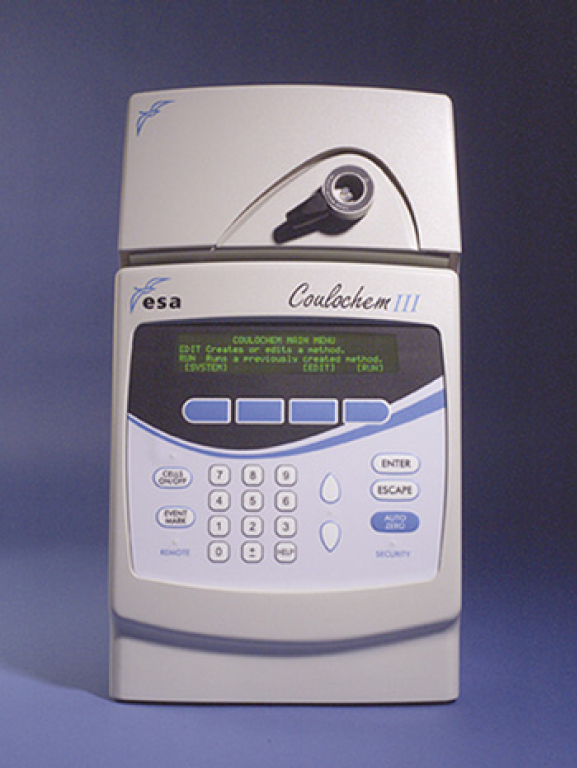
According to ESA Biosciences, it has developed the first validated choline assay on the market suitable for use as a reference test and for large-scale clinical- and epidemiological-research studies. The assay, which can be run on either the ESA Coulochem or CoulArray HPLC system, accurately quantitates choline in whole blood or plasma in just 4.5 min.
An essential nutrient that plays many key roles in the body, choline is gaining increased attention in the cardiology-research community for its potential as a biomarker for screening and risk stratification of acute coronary syndrome. Other choline research topics include its use as a potential therapeutic biomarker and in epidemiological studies to better understand choline as an essential nutrient. Choline deficiency has been associated with liver damage and its bioavailability is important in brain development of fetuses and newborns. Choline is also a precursor of acetylcholine, a neurotransmitter involved in muscle control, memory, and many other critical neurological functions.
For more information, visit www.esainc.com, e-mail
Exeter Analytical
Technical Paper: How Instrument Design Affects CHN Micro-Analytical Performance

According to Exeter Analytical, analysts are looking for improved data accuracy, precision, and long-term stability when determining CHN content to comply with more stringent quality practices. Of the three types of CHN elemental analyzers (dynamic, hybrid, and static measurement systems), all can be demonstrated to produce accurate and precise data. Exeter Analytical's new technical paper examines the consequences of these design differences when the analyzers are run in real-laboratory environments.
Data show the impact of horizontal versus vertical combustion systems. In a horizontal furnace arrangement, the sample is introduced into the combustion tube on a quartz ladle, which critically enables the removal of all sample residues after combustion. In a vertical furnace arrangement, the samples are combusted on top of previously combusted samples. This difference is considered as a major factor contributing to the advantages of a static system with a horizontal furnace over both the dynamic and hybrid designs. This build up of sample residue in the combustion zone of vertical furnace systems is shown to considerably increase the potential for poor analytical data.
The most important criteria for CHN analysis in the majority of analytical laboratories are for optimal accuracy and precision across a wide range of sample types. With constant pressure to increase laboratory productivity, an analyst does not want to set up an analyzer with different operational parameters for every different sample type they come across. Test data from an independent multilaboratory study are included, and demonstrate not only the superior accuracy and precision routinely achievable, but also how the inherently longer-term stability with a horizontal furnace design markedly decreases time lost due to the need for recalibrations and sample reruns.
Considerable variance in instrument performance can also be seen with more demanding samples. The advantages of a horizontal furnace design CHN microanalyzer is illustrated with applications including time-dependent combustible samples and volatile liquids.
The report concludes that using a horizontal furnace design CHN microanalyzer, such as the Exeter Analytical Model 440, allows analysts to routinely and simply produce accurate and precise data on wide ranging sample types without system reoptimization, saving precious time and reducing running costs.
For more information, visit www.exeteranalytical.co.uk, e-mail
Technical Paper: CHN Microanalysis–A Technique for the 21st Century?
A new technical paper from Exeter Analytical demonstrates how CHN microanalysis offers a powerful and straightforward method for determining sample purity by providing a precise and accurate analysis of percentage carbon, hydrogen, and nitrogen content.
This new paper examines a range of sample types that pose problems for determining sample purity using popular analytical techniques such as mass spectrometry (MS) and nuclear magnetic resonance (NMR) spectroscopy. Using example analyses from industrial and academic users, the authors demonstrate how, with modern horizontal furnace CHN microanalysis instrumentation, precise and accurate results without constant system optimization can be obtained for a wide range of sample types from organic compounds, through organometallic species to proteins and peptides.
The report concludes that a horizontal furnace design CHN microanalyser, such as the Exeter Analytical Model CE440, is a powerful complimentary tool to MS and NMR for analysts seeking to reliably characterize samples.
For more information, visit www.exeteranalytical.co.uk/pdf/CHNpurity.pdf, e-mail
IDBS
E-WorkBook Suite 7.0
According to IDBS, its E-WorkBook Suite, which now comprises E-WorkBook, BioBook, and ChemBook, is a flexible and configurable Electronic Lab Notebook that supports the capture of data, information, and knowledge in one secure and compliant infrastructure.
Combined with specific functions requested by current users, the latest version of E-WorkBook Suite offers research scientists enhanced metadata capture and searching. Furthermore, E-WorkBook Suite 7.0 now allows PDF document generation and storage within the application, providing industry-standard IP protection alongside GLP compliance and extended security features. Significant functionality has also been added to BioBook, including advanced statistics (ANOVA, TTESTs, etc), extended graphing support and enhanced reporting features.
For more information, visit www.idbs.com.
FEI Company
RAPID Remote Diagnostics
FEI's customer service organization has introduced RAPID (Remote Access Program for Interactive Diagnostics), an all-new service offering that can significantly speed service times and maximize system uptime. The RAPID program is first being made available to FEI customers in North America and will soon be extended worldwide. According to FEI, its remote diagnostics program is the first of its kind in the microscopy industry.
With RAPID remote diagnostics, FEI service engineers now are able to run service test software and diagnostics on systems that are equipped for RAPID whenever a customer initiates a service call and the remote diagnostics protocol. With the program, tool settings can be checked and modified, and software can be patched and upgraded as needed. FEI engineers also can view images from the microscope and make performance assessments.
For more information, visit www.fei.com/rapid.
Genevac
Solvent Evaporation with SampleGenie

Genevac announces a new innovation in solvent evaporation technology that enables scientists to pool and productively concentrate large volume sample fractions directly into a single-standard sample vial.
Available in three sizes (50 mL, 125 mL, and 300 mL), the SampleGenie enables Genevac's EZ-2 and HT series centrifugal evaporators to accelerate the pooling of multiple large volume fractions to a single, small sample vial. Constructed in a choice of glass or 316-L stainless steel, a SampleGenie is available to cope with most solvent types.
Using SampleGenie, a HT-4X evaporator was able to dry 24 samples in parallel, each containing 50 mL of water in less than 9 h. Used in conjunction with Genevac's LyoSpeed methods, 24 samples each containing 25 mL of water/acetonitrile (60:40) were fast lyophilized in only 6 h and 45 min.
For more information, visit www.genevac.com, e-mail
Guava Technologies
Guava ExpressPro Software
Guava ExpressPro is a new generation of software for the Guava EasyCyte Plus microcapillary flow cytometry system. It is designed to simplify the traditional complexity of multicolor detection. Designed for both data acquisition and analysis, the intuitive software interface allows users to visualize upto eight plots simultaneously, while still accessing operation or data analysis functions, all from the same screen. With just a right click of the mouse, features including the plot type, marker selection, statistics, gates, and other functions, are easily selected and customized to individual experimental design. Color-coded dots allow users to simply follow their gating strategies across multiple plots and histograms. Special batch file printing of 96-well data and downloading of screen shots to a clipboard provide easy incorporation into presentation or report-writing formats.
For more information, visit www.guavatechnologies.com.
Hudson Control Group
Hudson SOLOT
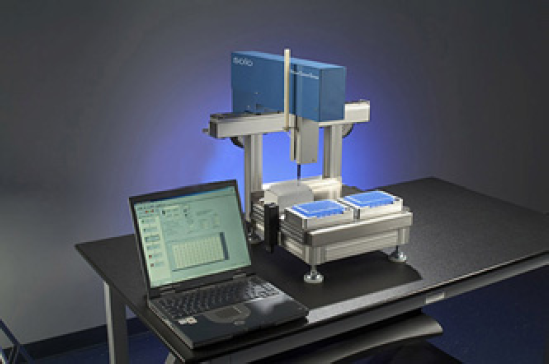
The Hudson SOLOT is a low cost, high-throughput, single-channel robot pipettor able to perform DNA transformations, cherry picking, and other applications involving the accurate dispensing of liquids.
According to Hudson, the SOLOT's compact 14″ × 16″ (355 × 400 mm) footprint can easily fit on lab benchtops and into standard fume hoods. Compatible with 96-, 384-, and 1536-well plate formats, it also has the ability for noncontact dispensing into microplates and slides. It also has a very broad dynamic range and the ability to handle reactions in a sterile environment.
The SOLOT can be loaded and operated manually, but is also fully compatible with robot loading systems from most manufacturers, including Hudson Control's own PlateCrane EX. It can also be used in-line with the Hudson Control LabLinx high-throughput track system.
For more information, visit www.hudsoncontrol.com.
INTEGRA Biosciences
Application News: Precisely Dispensing of Growth Media

Faced with the need to dispense several 100 samples/day following a standard operating procedure, the Microbiological Quality Control Group at F. Hoffmann-La Roche in Switzerland, required a flexible programmable pump that was both easy to use and efficient. Using a DOSE IT P910 pump from INTEGRA Biosciences, the Microbiological group has established a program of automated protocols that precisely dispense growth media and buffers into tubes, bottles, and Erlenmayer flasks.
For more information, visit www.integra-biosciences.com, e-mail
Invetech
Early-Stage Analysis and Assessment Services

Invetech has expanded its service offerings to include novel early-stage analysis and assessment for biotechnology and biomedical clients. Providing an “idea to market” service, Invetech offers an integrated range of services, including process development, process optimization, product specification, product fit, cost modeling, capital planning, product development, and instrument and consumables manufacturing.
For more information, visit www.invetech.us, or call +1.203.675.4502 or +1.415.533.1958.
Micronic
Screw-Top Tubes

Micronic has expanded its range of screw-top tubes purpose designed to provide laboratories with high-integrity storage of samples in vapor phase liquid nitrogen and freezers below –80 °C. Now available in three standard sizes (0.5 mL, 1.1 mL, and 1.4 mL), there is an optimized screw-top tube to suit most low temperature, sample storage applications. To optimize the use of valuable freezer storage space, 96 individual tubes can be stored in a Micronic LoboRack or RoboRack.
The internal V-shape of the 0.5-mL screw-top tube ensures the lowest possible dead volume and maximum recovery of scarce samples. The 1.1-mL screw-top tube is fully compatible with the popular Micronic 1.4-mL rack. This allows existing 1.4-mL rack users to switch from industry-standard 1-mL tubes to the new high-integrity screw-top tubes with no new investment. Fully compatible with the automation-friendly RoboRack, the 1.4-mL screw-top tube provides a nett storage volume of 1 mL.
For more information, visit www.micronic.com.
RoboRack-96
According to Micronic, its new RoboRack-96 is a chemically resistant polypropylene tube rack that incorporates novel productivity enhancing features for automated applications including sample storage, liquid-level sensing, and laboratory logistics.
Accommodating 96 individual 1.4-mL tubes in the industry-standard 96-well configuration, the RoboRack-96 exactly conforms to the globally recognized ANSI/SBS-1 (2004) Footprint Dimensions. This ensures turnkey integration with all commercial automated sample handling and storage systems enabling significant gains in productivity to be routinely achieved. Benefiting from a contoured well top (Sure-Shot) design, the RoboRack-96 provides positive tube lead-in (A1–H12) for increased throughput and decreased downtime. Unlike traditional rack designs, any tubes not perfectly delivered to the desired vertical rack location will no longer cause jamming, and instead will be positively guided into the correct well location. An additional benefit of the contoured well shape is improved access for robotic grippers to retrieve tubes. To speed the process and ensure consistency of heating to access deep-frozen samples, or cooling of samples for storage, Micronic has incorporated a novel open rack airflow architecture system on the RoboRack-96 that reduces traditional freeze-thaw cycle times.
For more information, visit www.micronic.com, or call +31.320.277077.
Millipore
New Data: ReNcell Neural Stem Cell Lines
Research conducted by the Department of Physiology at University College London and ReNeuron Group plc, whose ReNcell distribution agreement with Millipore was announced in 2006, concludes that the ReNcell lines, ReNcell VM and ReNcell CX, continuously expand in monolayer culture. Both cell lines have the ability to differentiate into neurons, astrocytes, and oligodendrocytes, and the researchers were able to differentiate the ReNcell VM line into electrophysiologically active dopaminergic neurons.
Millipore's ReNcell neural stem cell lines are immortalized human neural progenitor cells that have the ability to readily differentiate into neural cell types and will replicate indefinitely. ReNcell immortalized cells display the same marker patterns as normal cells and are able to grow and remain stable after culturing. These cells are important tools for the discovery of new therapies targeting diseases of the central nervous system.
For more information, visit www.millipore.com or www.biomedcentral.com/1471-2202/8/36/abstract.
Ultrafiltration Application and Product Guide
This Millipore publication has been expanded and now contains additional product information and more protocols, including those for virus concentration. Millipore has issued this publication as the latest in a series of application and product guides, following the Cell Biology and Immunodetection Application and Product Guides released earlier this year.
Expanding from 64 pages to 100 pages in length, the revised guide includes sections on membrane filtration overview, selection guide, product overview, protocols, and a glossary.
For more information, visit www.millipore.com/biosciences, or call 800.MILLIPORE or +1.978.715.4321.
MEL Cell Line

Now available from Millipore, MEL cell lines are licensed, low passage, human embryonic stem cells (hES) used in research for the treatment and potential cure of disabling and terminal diseases and conditions. The MEL-1 and MEL-2 hES cell lines have been extensively tested with Millipore's HEScGRO media for hES culture.
The MEL cell lines, derived by Stem Cell Sciences in collaboration with Melbourne IVF and the Australian Stem Cell Centre, are under license from the Australian National Health and Medical Research Council. An agreement between Millipore and the Australian Stem Cell Centre makes it possible for Millipore to distribute and market these stem cell lines in all countries outside Australia.
The MEL cell lines are provided at early passage (p10–p12), which Millipore considers ideal for maximizing the stable lifespan of the cell line and ensuring extended research time in a stable, pluripotent state. Late passage cell lines can have a limited workable shelf life as karyotype stability may decrease and pluripotent characteristics may shift to reflect a multipotent state. The MEL cell lines grow as well-defined colonies, with compact cells displaying high nuclear to cytoplasmic ratios and prominent nucleoli.
For more information, visit www.millipore.com, or call 800.548.7853 or +1.951.676.8080.
Pall Corporation
Omega T-Series Membrane Cassettes

According to Pall, biopharmaceutical manufacturers require efficient, high-throughput ultrafiltration technologies to handle higher protein concentrations. To address this need, Pall now offers the new Omega T-Series membrane cassettes to offer enhanced processing efficiencies and greater product recovery. The new cassettes are constructed with high-performance materials that reduce extractables to deliver high-purity biological solutions. These cassettes assure effective mass transfer of proteins, which is critical for biotech manufacturers given the significant cost of even minimal volumes of purified protein solutions used in downstream drug production. Pall also introduces single-use Minimate II encapsulated membrane cassettes, the latest addition to the company's line of single-use technologies.
For more information, visit www.pall.com.
PANalytical
Application Notes: Predictive Machine Maintenance Programs
PANalytical has new data on the MiniPal 4 energy-dispersive X-ray fluorescence (EDXRF) and Axios–Petro wavelength-dispersive X-ray fluorescence (WDXRF) spectrometers that show their effectiveness and value in predictive machine maintenance programs.
According to PANalytical, as metal surfaces within a machine undergo physical and chemical wear, trace concentrations of the component metals appear in lubricants. Elemental analysis of lubricating oil provides a fingerprint of a worn component and enables its rapid identification. For example, Ni and Fe levels indicate worn pistons, rings, and crankshaft wear, whereas Cu and Sn are associated with bearing and bush wear.
By enabling accurate, precise quantification of wear metals in lubricating oils, PANalytical systems, such as MiniPal 4 and Axios, can help to significantly improve predictive maintenance programs and scheduled downtime planning, minimize repair costs, and increase safety margins by reducing the chance of catastrophic machine failure.
New application notes illustrate the detection limits, accuracy, precision, and long-term stability of MiniPal 4 and Axios. Importantly, X-ray fluorescence (XRF) is a nondestructive technique that requires only simple sample preparation.
For more information, visit www.panalytical.com.
XRF Range Supports RoHS/WEEE Compliance
According to PANalytical, its range of XRF spectrometers and reference standards provides elemental analysis of heavy metals in a wide variety of materials, including plastics, polymers, metals, brass, solder, and wire. These advanced systems are enabling industry to meet the new challenges of stringent E.U. directives such as RoHS, WEEE, and ELV. PANalytical systems support compliance not only with current regulations, but also provide the necessary levels of performance to allow for future, even tighter legislation.
For example, PANalytical says its MiniPal 4 RoHS WEEE analyzer, a compact, benchtop EDXRF spectrometer, is specifically configured to analyze restricted elements in a wide range of sample types. The Epsilon 5 polarized EDXRF spectrometer offers complete quantitative elemental analysis down to sub-ppm levels. The instrument is specifically designed for the analysis of heavy metals and supports the requirements of the directives, for example, performing analysis of cadmium and lead in solders. Axios WDXRF spectrometers, configured in industry-tailored versions, meet the precise needs of a wide range of RoHS/WEEE applications. TOXEL reference materials, developed in cooperation with DSM Resolve, are helping plastic and polymer manufacturers optimize XRF analysis for toxic heavy metals in polyethylene.
For more information, visit www.panalytical.com.
PerkinElmer
Quarterly Gas Chromatography E-Newsletter
PerkinElmer now offers a quarterly, application-focused e-newsletter for gas chromatography (GC) users called “GC Know-How Now.” The newsletter offers information to help users get additional benefits from their GC systems.
Each newsletter focuses on a specific application, including the benefits of high-throughput GC/MS technology for the analysis of pesticides in foodstuffs; using a GC system for blood–alcohol analysis for long-term precision; the benefits of GC for the analysis of B100 biodiesel; how to meet US EPA 8260B method requirements for the analysis of volatile organic compounds with a GC and HeadSpace Trap; and the advantages of automated sample recollection for thermal-desorption sampling.
To download a copy of a recent GC Know-How Now newsletter, or to sign up for future issues visit, www.perkinelmer.com/GCknow-how.
GC and GC/MS Training and Application Web Casts
A new online Web cast library focused on training and advances in GC and GC/MS applications is now available from PerkinElmer. The Web casts address pressing issues and analysis challenges labs face in a broad range of application areas. Industry experts discuss and demonstrate solutions provided by PerkinElmer's Clarus GC and GC/MS instrumentation and market-leading TurboMatrix Headspace and Thermal-Desorption samplers. Market segments covered include environmental, food and beverage, forensics, industrial hygiene, hydrocarbon processing/biofuels, materials testing, and pharmaceuticals.
For more information, visit www.perkinelmer.com/GCwebcasts.
LABWORKS Green LIMS
The new LABWORKS Green Laboratory Information Management System (LIMS) is a specially tailored version of LABWORKS LIMS, targeted to specific functions needed by biodiesel production plants, that monitors the entire manufacturing process from raw material to finished product.
According to PerkinElmer, as the use of biofuels becomes more prevalent, the necessity of ensuring the quality of the end product becomes more important. Biofuels analysis monitors key-quality indicators in the manufacturing process, such as the presence of glycerin in biodiesel. LABWORKS Green preloaded with tools specific to biofuels laboratory needs, and enables biofuels labs to manage process and report work, capture analytical data and automatically generate Certificates of Analysis to meet global standards.
For more information, visit www.perkinelmer.com/biofuel.
QIAGEN
QIAplex Products for Highly Multiplexed, PCR-Based Assays
Now available from QIAGEN, the first assays based on its QIAplex PCR multiplex technology, which allows highly sensitive detection of multiple molecular targets in one test.
According to QIAGEN, samples that could contain multiple pathogens such as viruses and bacteria as well as other disease markers, previously had to be analyzed with assays that typically test for between one and three molecular targets. Such tests are costly, take time, and in the case of negative results, lead to sequential testing for one potential target after the other. With QIAplex-based multiplexing, one or more targets can be detected in one test and from one sample, permitting sensitive and simultaneous analyses of multiple nucleic acid targets.
The new QIAplex panels, ResPlex I Panel, ResPlex II Panel, and StaphPlex Panel allow parallel detection of more than 10 bacterial and viral targets in a single reaction. The panels are launched in research use-only formats.
ResPlex I and ResPlex II Panels detect respiratory bacterial and viral nucleic acids for research applications. The ResPlex I Panel enables the detection of most relevant respiratory bacterial DNA. This includes DNA specific for Legionella pneumophila, Chlamydia pneumoniae, or Mycoplasma pneumoniae, bacteria that cause atypical pneumonia. Furthermore, the ResPlex I Panel detects DNA specific for S. pneumoniae, H. influenzae and N. meningitidis. The ResPlex II Panel was developed for the detection of respiratory viral RNA from influenza and parainfluenza viruses, RSV, metapneumovirus, and rhinoviruses.
The StaphPlex Panel allows identification of MRSA (methicillin-resistant Staphylococcus aureus) DNA for research applications. MRSA represents the most common nosocomial infection and describes bacterial strains resistant to antibiotics. The StaphPlex Panel also differentiates between two forms, the community-acquired MRSA and hospital-acquired MRSA.
According to QIAGEN, its QIAplex panels share a proprietary, PCR-based multiplex amplification technology that permits high-analytical sensitivity and specificity. The technology can be used in combination with many other detection platforms such as arrays, capillary electrophoresis, and bead-based detection systems. The QIAplex products are designed for use on Luminex detection platforms and are optimized for use with QIAGEN's LiquiChip 200 Workstation.

For more information, visit www.qiagen.com.
Radleys
Lara Reactor Control Software
For laboratories looking to perform medicinal and process scale-up, scale-down, or optimization experiments, Radleys now offers an improved version of its Lara reactor control software. It can be used with the Radleys Lara Controlled Lab Reactor (CLR), and can function as a stand-alone package to control/automate other nonautomated reaction systems. The software provides reactor users with a wide range of functionality, including third-party equipment control, automated data logging, graphing functions, and postexperimental analysis.
The version 2.0 Lara control software offers enhanced flexibility, expanded safety features, and simple operation. To enable on-the-fly control, the new software provides users with direct access to editing parameters including temperature, stirring speed, and pump/additions rate while an experiment/recipe is running. New feedback loops allow users to set limits enabling precise automated control of reactions using data from external sensors attached to the system, such as temperature, pH, and turbidity.
The new version 2.0 Lara control software is offered as a free upgrade to all existing Radleys Lara CLR users, or can be purchased separately for control of a traditional reactor system.
For more information, visit www.radleys.com, e-mail
Spiral Biotech
Filter Bags for Sample Prep Blenders

New high-performance filter bags for laboratory food and solid-sample blenders and mixers are now available from Spiral Biotech, a subsidiary of Advanced Instruments. Spiral Biotech's BagFilter line of reinforced, heavy-duty plastic bags incorporates a unique nonwoven filter that separates bacterial flora from residual debris, and provides easier and quicker pipetting. The single-use, sterilized bags are available in four configurations, and in 100 mL, 400 mL, or 3500 mL sizes.
Designed for use in Spiral's BagMixer and Gravimat sample-preparation systems, they also work with any other type of blender.
For more information, visit www.aicompanies.com, or call 800.554.1620 or +1.781.320.9000.
Syngene
Common-Spot Outlines in Dymension Software
Dymension software for automated 2D protein gel analysis now includes common-spot outlines, an algorithm for automatically detecting the presence or absence of proteins in large data sets. This new feature can save time with proteomics workflow by generating data, with minimal manual postediting, that can be statistically analyzed to confidently identify the correct proteins for costly downstream research.
The unique algorithm warps all the gel images in an experiment together to create an averaged gel image and then performs detection on this image. These common-spot outlines are overlaid onto each gel in the experiment's series.
With Dymension's method of producing common-spot outlines, each spot exists on every gel so results are less affected by noise and are therefore more representative of the common features of the underlying data.
For more information, visit www.2dymension.com.
Thermo Fisher Scientific
Online Environmental Resource Center

Thermo's new Environmental Resource Center for trace-element analysis is described as an essential source of information for those in the environmental field. It provides information, tools, and technical advice to help scientists performing trace-element analysis keep upto date with pertinent changes in legislation, regulation, methodology, and research. The new resource center also allows users to view and download new environmental application notes, scientific posters, and technical guides. The site also offers the opportunity to subscribe to the free environmental e-newsletter for regular industry updates. Users also have access to all the latest environmental news from Thermo Fisher Scientific and any upcoming events relating to the environmental industry.
For more information, visit www.thermo.com/erc.
Technical Poster: Nautilus LIMS High-Throughput Plate Handling
A new technical poster from Thermo highlights the plate-handling capabilities of the Nautilus LIMS for high-throughput applications. The poster discusses the specific challenges that a LIMS solution is required to address when used in high-throughput environments. Among others, these include intuitive user interface, configuration tools, integration with instrumentation and automation equipment, and extensibility. Furthermore, the poster stresses the importance of plate template and design and also the need for a LIMS solution to be able to extend its functionality via custom hooks and codes when necessary. The plate-handling operations detailed in the poster include replication, splitting, probing, compressing, pooling, and cherry picking.
For more information, visit www.thermo.com/informatics.
Informatics Software User Group Meetings
Thermo Informatics World (TIW) 2007 North America is scheduled for October 15–19, 2007, at the Marriott Doral hotel in Miami, Florida. TIW 2007 Europe is being held on November 12–16, 2007, at the Dom Pedro hotel in Lisbon, Portugal. With the theme “You Can Count on Us,” the conferences focus on how Thermo Scientific's informatics solutions enable organizations to maximize the productivity of their laboratories, with particular emphasis on process harmonization, interoperability, and lower total cost of ownership.
The TIW 2007 conferences are designed to provide industry professionals with the opportunity to network with each other and with the Thermo Fisher informatics experts to discuss the ever-changing environment and the emerging business requirements that influence the future direction of informatics solutions. Attendees at the TIW 2007 conferences can preregister for product breakout sessions including customer presentations, product launches, and on-site training.
For more information, visit www.tiw07.com, e-mail
The US Substance Abuse and Mental Health Services Administration workplace drug-testing program currently requires that GC/MS methods be used for confirmation of five drug classes. The methods included in the TurboTox GC/MS Productivity Solution have been fully validated in urine matrix for linearity, precision, and specificity to ensure full compliance with these accepted practices.
For more information, visit www.thermo.com/fotox, e-mail
TurboFlow Columns

A new line of silica-based TurboFlow columns designed exclusively for use with Thermo Scientific Transcend Systems provides scientists in clinical research and pharmaceutical analysis the capability to integrate online sample preparation with LC–MS analysis.
According to Thermo, the expanded breadth of the new TurboFlow XL columns provides a greater selection of column chemistries and tools for developing TurboFlow technology methods. TurboFlow XL columns are available in a variety of chemistries–including C18, C8, Fluoro, Phenyl, and C2–and in dimensions of 0.5 and 1.0 mm, which are ideally suited for online sample preparation methods.
TurboFlow XL columns also are compatible with the Thermo Scientific Aria TLX Systems, which use turbulent flow chromatography to separate analytes from biological fluids before LC–MS analysis.
For more information, visit www.thermo.com/turboflow, e-mail
TurboTox GC/MS Productivity Solution

According to Thermo Scientific, its new Thermo Scientific TurboTox GC/MS Productivity Solution is designed to maximize performance and minimize costs in high-throughput toxicology laboratories testing urine samples for drugs of abuse. It offers a complete, integrated platform comprising the Thermo Scientific DSQ II single quadrupole GC/MS system, ToxLab 2.0 software, and GC/MS methods and consumables, and is the first validated, total solution to be introduced to the market to include both standard-operating procedures and consumables, extending from sample preparation to sample analysis.
LTQ Orbitrap Discovery and the LTQ Orbitrap XL

Thermo Fisher Scientific has extended its range of life science hybrid mass spectrometry with the introduction of two new instruments, the LTQ Orbitrap Discovery and the LTQ Orbitrap XL.
According to Thermo, the LTQ Orbitrap Discovery provides accessibility to the breakthrough LTQ Orbitrap technology for a wide range of labs. The system is considered ideally suited for general proteomics and metabolism applications, offering a superior alternative to Q-TOF systems. Featuring high resolution and excellent accurate mass capabilities, this hybrid LC–MS system can achieve high-throughput label-free profiling for differential expression while the MSn capability makes the instrument ideal for small molecule characterization and structural elucidation. The LTQ Orbitrap Discovery is a highly sensitive system with up to 30K resolution power and an exceptional scan rate, enabling the separation of trace level, isobaric analytes.
The new LTQ Orbitrap XL is, according to Thermo, the ultimate protein identification and biomarker discovery platform featuring unsurpassed sensitivity in MS and MSn, rapid scan rate, high mass accuracy and up to 100K resolution power. Based on Thermo's LTQ Orbitrap platform, this instrument provides unrivaled performance and flexibility. The LTQ Orbitrap XL features the new HCD octapole collision cell for increased flexibility in MS/MS fragmentation applications including iTRAQ-based peptide quantitation, PTM analysis, de novo sequencing, and metabolomics research. This proteomics platform is also compatible with, and upgradeable to use the Electron Transfer Dissociation option for controlled dissociation of peptides and proteins, making this instrument indispensable for advanced proteomics research.
For more information, visit www.thermo.com/orbitrap, e-mail
FAIMS for Ion Trap Mass Spectrometers
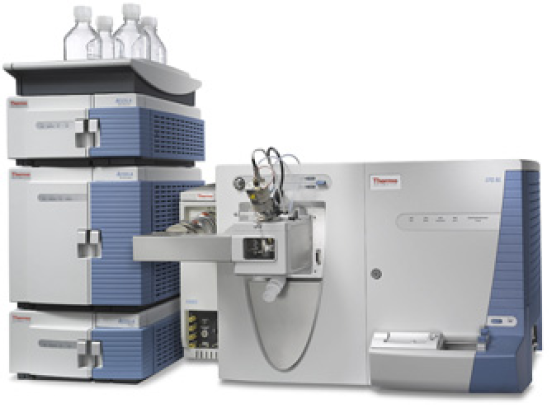
The Thermo Scientific FAIMS (high-Field Asymmetric waveform Ion Mobility Spectrometry) interface is now available for Thermo's family of ion trap mass spectrometers. The FAIMS capability eliminates interferences and increases the number of the total spectra that match sequences, and eliminates the need for additional separation steps. Considered to be well suited for proteomics applications, as much as 90% of the total FAIMS spectra have been shown to match peptide sequences.
When coupled with the FAIMS interface, Thermo's ion trap mass spectrometers allow users to selectively isolate target compounds based on a number of physical properties, including charge state and molecular conformation. This selection of ions occurs before the introduction of the sample into the mass spectrometer, reducing background noise, increasing selectivity, and improving spectral quality.
For more information, visit www.thermo.com/ms, e-mail
TSQ Quantum GC Gas Chromatograph Triple-Quadrupole Mass Spectrometer

Developed for use in environmental, food, toxicology, pharmaceutical, and clinical research laboratories, this new system is designed to allow industry leading levels of sensitivity, selectivity, and simultaneous quantification and structural confirmation through its scan function, Quantitation-Enhanced Data-Dependent MS/MS, at the lowest limits of quantitation. The system offers the ability to switch between GC and LC modes.
The GC-MS/MS extends the TSQ Quantum portfolio, achieving higher sensitivity and lower detection limits. The TSQ Quantum GC delivers high sensitivity with highly selective reaction monitoring (H-SRM) and lowest limits of quantitation. The H-SRM capability allows the quantitation of hundreds of compounds in a single run for multiresidue screening, while the zero cross-talk collision cell helps in the elimination of false positives.
The system consists of a TSQ Quantum triple-quadrupole mass spectrometer, TRACE GC Ultra and TriPlus autosampler, and is configured with Thermo Scientific Xcalibur software.
For more information, visit www.thermo.com/ms, e-mail
LC–MS/MS Software Suite Additions
Thermo Scientific's QuickQuan software and Aria TLX System's multiplexing technology have been integrated to accelerate the pace of drug discovery. According to Thermo, its QuickQuan software performs automated optimization of MS/MS parameters, enabling the rapid analysis of compounds. Analytical parameters can now be sent to Aria software, which controls the TLX system, combining automated optimization with multiplexing to offer unmatched throughput for discovery applications such as metabolic clearance, CACO-2, PAMPA, protein binding, and in vivo PK. Data generated from QuickQuan can be seamlessly transferred to the Thermo Scientific Galileo LIMS for rapid review and informed decision making.
Using the QuickQuan optimization parameters, Aria software controls the pumps to synchronize the introduction of samples to the TSQ Quantum triple-quadruple mass spectrometer and maximize sample throughput. One mass spectrometer with an Aria TLX-4 System can process as many samples as four stand-alone LC–MS/MS systems. With the Aria multiplexed system, up to four parallel sample presentation channels are synchronized to a single mass spectrometer.
For HT-ADME studies that involve data processing of thousands of samples per week, Thermo Scientific QuickCalc Software powered by Gubbs Mass Spec Utilities reduces the time required to evaluate new compounds for drug development. It enables researchers focusing on in vitro studies to process and review large quantities of data by automatically generating reports and storing the results in a relational database. QuickCalc is a desktop application that typically serves smaller drug-discovery labs, bridging the transition toward an enterprise-level data reduction system such as Galileo LIMS.
QuickCalc software automates the assessment of data from high-throughput screening by integrating the chromatographic peaks, calculating pharmacokinetic parameters, and generating summary reports. Three modules enable researchers to accurately process the sample data: the Hepatic Clearance Calculator (for microsomes, hepatocytes, and S9), the Permeability Calculator (for CACO-2 and PAMPA), and (exclusive to QuickCalc software) the PK Calculator for toxicokinetic parameters. QuickCalc also eliminates the need to manually transfer text files to a second data system such as Microsoft Excel.
For more information, visit www.thermo.com/ms, e-mail
MaxQ 6000 Stackable Shaker

Thermo's new MaxQ 6000 Stackable Shaker units resemble an incubator with two adjustable stationary shelves located above the 18″ × 18″ rotating platform. Available as incubated or refrigerated digital models, the MaxQ 6000 shakers are considered by Thermo to be ideal for plasmid purification, protein-expression studies, genetic research, solubility studies, growth of bacteria and yeast, and metabolism work.
MaxQ 6000 stackable shakers are powered by a triple-eccentric drive that handles heavy workloads, provides uniform agitation, and enables continuous 24-h operation. The incubated chamber temperature ranges from 10 °C above ambient to 80 °C. The refrigerated temperature ranges from 15 °C below ambient to 80 °C. The new shakers feature a door with a large glass-viewing window to allow researchers to observe samples without disturbing the chamber atmosphere. The shakers can be used under the bench or stacked too high on the floor.
For more information, visit www.thermofisher.com.
NUNC Brand 96- and 384-Well Optical Bottom Plates

Thermo Fisher Scientific's new NUNC Brand 96- and 384-Well Optical Bottom Plate features new materials and surfaces with enhanced capabilities for cell assays and drug discovery. The plates combine an upper structure bonded to a clear base that provides superior optical clarity in imaging applications using microscopes or plate readers. For improved imaging, the plates are available with upper structures in black for fluorescence studies, or white for luminescence assays. There are three optically clear materials used for the plate bottoms: #1.5 borosilicate cover glass, polystyrene, or fluorocarbon. Also improved are the NUNC 384-Well Optical Bottom Plates, which have a redesigned skirt-style to facilitate superior robotic handling and bar-coding functions.
For more information, visit www.nuncbrand.com.
TOVATECH
Flowcal 5000 HPLC Flow Meter

The Flowcal 5000 is a new tool designed by Tovatech for chemists, metrologists, and validation specialists responsible for HPLC instrument calibration and qualification. Flow rate measurement with the FlowCal 5000 is considered easier, faster, and more accurate than using a timer while manually collecting fluid for gravimetric or volumetric measurement. The digital flow meter is compact, and accurate at low flow rates. It is indispensable for IQ/OQ/PQ of HPLC systems.
For more information, visit www.tovatech.com/liquid_flow_meter.html.
TTP Labtech
Hanging-Drop Protein Crystallography Set-Ups with Mosquito
TTP LabTech has developed a unique approach to automating hanging-drop protein crystallography set-ups with its mosquito. According to TTP Labtech, this approach increases the chance of scale-up success as it allows the same technique to be used for both screening and scale-up, which is particularly beneficial for membrane-protein crystallographers.
Mosquito automates hanging-drop plate set-up by aliquoting protein solution from a single source column to all 96 adhesive-free “windows” on a hanging-drop plate seal. Then, because mosquito pipettes in columns, it is able to take a column of droplets of solutions from the reservoir plate and place these directly on top of the protein drops to form a mirror image of the reservoir plate. The seal containing the mirror image drops is then inverted over the reservoir plate–so each combined droplet of protein and screen hangs over its corresponding well of reservoir solution. Complete set-up takes less than 2 min, and does not require a wash step or the creation of a duplicate source plate.
For more information, visit www.ttplabtech.com/mosquito.
Velocity11
Technical Poster: Automation of an In Vitro Cytochrome P450 Assay

A new technical poster from Velocity11, entitled “High Throughput Cytochrome P450 Inhibition Assays Using A Velocity11 BioCel Automation Solution,” describes the automation of an in vitro cytochrome P450 assay.
According to Velocity11, discovery of small molecule drug candidates typically involves assessment of in vitro ADME/TOX properties of hundreds to thousands of compounds. Usually such applications require several individual automated liquid-handling stations to perform the various testing protocols. Using a Velocity11 BioCel Automation System, the poster describes an approach for assessing multiple-compound properties rapidly and reliably. The investigations focus on a cytochrome P450 inhibition assay, and compare data from manual and automated runs. Using a range of eight compounds of varying potency, the robotic assay was able to produce data comparable with manual assays and with variability acceptable for screening purposes. Considerable time savings through automation of the processes is demonstrated.
For more information, visit www.velocity11.com/site/files/File/PO14.pdf, e-mail
VISCOTEK
Technical Articles: Triple Detection GPC/SEC
For laboratories involved with characterization of natural and synthetic polymers, proteins, or nanoparticulate materials, Viscotek offers a new 12-page booklet, comprising a series of technical articles to help practitioners of Triple Detection GPC/SEC to better understand and use the technology.
Triple Detection GPC/SEC is considered a well-established technique for the accurate and full characterization of macromolecules. The technique combines a concentration detector (refractive index or UV–Visible), viscometer, and light-scattering detector acting in concert, with each detector providing complimentary but different information. In a single experiment, the triple Detection GPC/SEC enables users to obtain molecular weight, molecular size, intrinsic viscosity, conformation, structure, branching, aggregation, and copolymer data from their sample.
The first article discusses concentration detectors, and in particular, the most commonly used refractive index (RI) technique. The article provides a background to the theory of RI detectors and discusses the reasons for choosing either batch or chromatographic methods of calibration. Other techniques, including UV–Vis, Infrared, and Evaporative Light Scattering are compared and contrasted to RI for use as a concentration detector for GPC/SEC.
The second article looks at light-scattering detectors and in particular provides an authoritative review of the principles of measurement and operation of the low angle light-scattering (LALS) detector. The article demonstrates that by measuring at a very LALS avoids the complexity, required assumptions, and angular correction errors inherent in other light-scattering detection techniques.
The third article explores the principles of measurement and operation of the differential viscometer detector. Useful background information is provided on differential viscometer design, theory of operation and measurement, as well as discussing applications where the technique allows GPC/SEC to provide valuable structural data.
The booklet concludes that no single or dual GPC/SEC detector combination can easily measure the range of data (molecular weight, molecular size, intrinsic viscosity, conformation, structure, branching, aggregation, and copolymer structure) provided by RI, LALS, and viscometer detectors working in combination.
For more information, e-mail
Wyatt Technology
Application Note: Protein Aggregation States
A new application note details how Wyatt's multiangle light-scattering (MALS) instruments, when used to monitor protein aggregation states in different buffers, are able to track changes in the proteins as the salt concentrations and buffer solutions are modified, thus giving greater insight into the behavior and predictability of the proteins.
According to Wyatt, protein aggregation, even under conditions favoring the native state, is a ubiquitous problem in biotechnology and biomedical engineering, because it eliminates or reduces the proteins' biological function. Protein aggregation is encountered routinely during purification, refolding, sterilization, shipping, and storage processes because of the presence of chemical, physical, and thermal stresses. Providing a mechanistic basis for the
pathways that lead to aggregation should allow development of rational approaches for its prevention.
For this particular application, Wyatt's 18-angle DAWN HELEOS instrument is coupled to a UV detector and Wyatt's Optilab rEX refractive index detector. A TSKgel G3000SW column from Tosoh Bioscience is used while the analysis is performed within a 30-min run time at a 1-mL/min flow rate. A PBS isocratic mobile phase is used. Before loading onto the HPLC column, the protein is thoroughly dialyzed into various buffers containing different concentrations of salt spanning 150–500 mM as well as different buffer systems with pH values ranging from 5 to 8.5.
The different states of the protein are separated into multiple peaks through SEC–HPLC and the molecular weights for these peaks are simultaneously determined by MALS. The molecular weights detected by MALS correlate very well with those expected for monomer, dimer, trimer, and higher oligomers of the protein. As expected, in most of the buffer systems, the protein behaves similarly as the untreated control. However, MALS detection reveals that in a couple of buffers, the molecular weights are lower or higher than those expected, suggesting salt/pH-dependent dissociation or association of the protein subunits.
The results clearly demonstrated that several buffers significantly change the aggregation states of the protein. Moreover, in-line molecular weight determination by MALS assists researchers in accurate interpretation of the SEC results.
For more information, visit wyatt.com/literature/appnotes/proteins.cfm.
2007 International Light-Scattering Colloquium
Wyatt Technology is hosting its annual International Light-Scattering Colloquium on October 15–16, 2007, at the Four Seasons Biltmore Hotel in Santa Barbara, CA.
For more information, visit www.wyatt.com/events/colloquium.
Eclipse FFF-MALS Focus Meeting
Wyatt Technology is hosting an Eclipse FFF-MALS Focus Meeting on October 17, 2007, at the Four Seasons Biltmore Hotel in Santa Barbara, CA. The meeting is dedicated to the exchange of experience between users of the Eclipse FFF system. The application focus of the meeting will be proteins, biopolymers, and liposome/virus particles.
For more information, visit www.wyatt.com/events/fff-malsfocusmeeting.
Zinsser Analytic
Formula X
This new combinatorial workbench system from Zinsser Analytic automates the search for new drug formulations and for the optimization of existing formulations.
Formula X is equipped with four standard pipetting probes for liquid handling and a variable volume precision powder– dispensing pipette for the distribution of solid compounds. Highly viscous reagents (from 2000 cps to 10,000 cps) are distributed under active temperature control. Gravimetric distribution of all reagents and samples gives maximum precision.
The entire process, sample storage, liquid handling, and stirring and vortexing of samples are temperature controlled. Capping and decapping, and crimping of HPLC vials can be supplied as options.
For more information, visit www.zinsser-analytic.com, e-mail
More News
AbD Serotec, a division of MorphoSys, and Chimera Biotec extended a comarketing agreement to comarket the rapid generation of monoclonal antibodies by AbD Serotec and Chimera Biotec's complementary Imperacer assay technology for ultrasensitive antigen detection.
Advalytix, a subsidiary of Olympus Life and Material Science Europa, assumed the coordination of the European Union (EU) Project “Quantitative Analysis of Genes in Single Cells”. Advalytix is responsible for the technical management of the project, part of the sixth EU framework programme for research. The partners have a total of around 2.5 million Euros available to develop and test methods for analyzing genetic material in single cells.
In addition, Advalytix and the Medical University of Graz are cooperating on novel prenatal diagnostic technologies. Together, they are testing a new method for the genetic analysis of fetal cells from maternal blood. Using the noninvasive AmpliGrid method, hereditary diseases and trisomies, such as Down's Syndrome, can be diagnosed consistently and without risk to mother or baby, even at an early stage of pregnancy.
Arrayjet appointed BioMicro Systems as its exclusive distribution partner in the United States. In addition, Arrayjet's introduction of the Sprint Benchtop Inkjet Microarray Spotter led Arrayjet to rename its other products. The Aj100 is now the Marathon, the Aj120 is the Super-Marathon, and the Aj100/Aj120 with additional slide stacker, which will be launched in early 2008, is the Ultra-Marathon.
ARTEL selected Yellowstone National Park as the location for Mission #2 of its Extreme Pipetting Expedition. At Yellowstone, ARTEL will test how pipetting liquids at a temperature different than the pipette (thermal disequilibrium) affects delivered volume, and data accuracy and precision. Yellowstone was selected as the site for Mission #2 because it is emblematic of thermal variation. The Extreme Pipetting Expedition is a multiphase, year-long scientific study to illustrate the impact of laboratory conditions on data integrity. For more information, visit www.artel-usa.com/extreme.
The Broad Institute ordered RTS LIFE Science's SmaRTStore, the only small, automated store to provide storage for vials, plates, and tubes at temperatures from ambient to –20 °C. According to the Broad Institute, while building up its platform, it is working only with a fraction of the samples being used in studies at the Broad Institute (∼80,000 so far). It estimates that the final number will be much, much greater than this. The Broad Institute's SmaRTStore, which can hold ∼300,000 samples, will be used for active projects, leaving samples not in active use to be archived in our other freezers.
CEDRA Clinical Research began conducting Phase I trials electronically with Green Mountain Logic's LabPas CT.
Cellexus Biosystems entered into a nonexclusive distribution agreement with Appropriate Technical Resources (ATR) through which ATR will distribute Cellexus Biosystems' products throughout the United States.
CyBio and Promega signed a long-term collaboration agreement for the joint development and comarketing of applications on CyBio's liquid-handling instruments.
deCODE genetics announced positive top-line results from its Phase I multiple-dose clinical trial of DG051, which the company is developing for the prevention of heart attack. deCODE genetics also announced that it reached a favorable settlement of its litigation in U.S. Federal District Court in Philadelphia with the Children's Hospital of Philadelphia (CHOP) and several former deCODE employees who left the company to work for CHOP. Pursuant to the agreement, the parties were to exchange mutual releases, and the litigation was to be dismissed with prejudice. The litigation was settled with an agreement under which CHOP and the individual defendants had certain obligations toward deCODE.
Eksigent signed a new distribution agreement with Seoul-based Interface Engineering, a division of Bio-Medical Science. The agreement covers sales and service of Eksigent's NanoLC and ExpressLC HPLC product lines in Korea. For Norway, Eksigent announced a new distribution agreement with Dipl. ing. Houm AS. For Taiwan, Indonesia, Philippines, Vietnam, Malaysia, Singapore, Thailand, Laos, and Cambodia, Eksigent announced a new distribution agreement with Hong Kong-based Bionoetikos. The agreements with Dipl.ing.Houm AS and Bionoetikos cover sales and service of Eksigent's NanoLC HPLC product line.
ESA Biosciences, a subsidiary of Magellan Biosciences, opened an expanded service and support center in St. Neots, UK, to enhance customer service and support throughout Europe for its expanding base of HPLC detectors. This follows the recent opening of ESA's European Centre for Neuroscience Technology in Milan, Italy.
The European Laboratory Robotics Interest Group (ELRIG) selected the Labcyte Portrait 630 reagent multispotter as the winner of its annual Technology Prize at the MipTec Tenth Anniversary Conference in Switzerland. The award recognizes the most innovative product presented at the conference.
Evotec announced positive top-line results from its first phase II clinical trial of EVT 201 in patients with chronic primary insomnia. EVT 201 is a partial positive allosteric modulator (pPAM) of the GABAA receptor complex. The double-blinded, placebo-controlled crossover study design of two doses of EVT 201 (1.5 and 2.5 mg) in 67 patients was conducted in sleep labs in the United States using objective polysomnography.
Guava Technologies opened a new and enlarged European office in Stamford, UK, to focus on the Europe, Africa, and Middle East (EMEA) region.
According to Guava, Synvolux Therapeutics is using a Guava EasyCyte Plus System to help accelerate the development of novel transfection agents using its proprietary SAINT technology. Using the Guava EasyCyte Plus System and the Guava Viacount Cell Counting and Viability Assay, Synvolux has been able to determine the expression level of transfected plasmid DNA, or the down regulation induced by transfected siRNA, and in this way, test the designed features introduced by performing cell transfections. The Guava EasyCyte Plus System has enabled Synvolux to increase the throughput of samples run and to reduce the number of cells required per assay compared to using traditional flow cytometry methods.
Green Mountain Logic (GML) and Phase Forward agreed to work together to develop an interface between GML's LabPas CT product and Phase Forward's InForm ITM electronic data capture product.
A combined advanced confocal/atomic force microscope on one platform is being developed jointly by Hyphenated Systems and KARMA Technology. It will be geared for three-dimensional metrology applications in semiconductor manufacturing and laboratory environments.
IDBS announced a strategic partnership with A-Tune Software to improve the presence and reach of IDBS Professional Services in Germany, Austria, and German-speaking areas of Switzerland. A-Tune will deliver a full range of IDBS Professional Services, including the provision of training for IDBS core products, technical consultancy, and project management.
ITI Life Sciences, in partnership with Swedish stem cell firm Cellartis, will use a CompacT SelecT automated cell culture system from The Automation Partnership to develop a consistent bioprocess for manufacturing high-quality undifferentiated human embryonic stem cells.
Kendle signed an agreement with ClinPhone to use ClinPhone EDC to standardize its method of capturing clinical data for its biopharmaceutical customers worldwide.
The new Phase I Recruiting Module launched by LabPas CT went live at Arkansas Research Medical Testing, a 200-bed, early-phase clinical research facility.
Before MultiGEN Diagnostics opened its first high-throughput, high-volume DNA sequencing laboratory with sophisticated automation able to process more than 1000 samples a day, a simple 1-min power outage brought all test runs to a halt and left the laboratory inoperable for an entire month. In response, MultiGEN quickly put a Franek Technologies' Power Protection System in place.
Australia's Nucleus Network selected LabPas CT to fully automate its Phase I clinical trials.
Oxford Gene Technology (OGT) and Aushon BioSystems completed a license agreement granting Aushon access to OGT's Southern array patents, the fundamental patents covering the manufacture and marketing of oligonucleotide microarrays.
Panacos Pharmaceuticals extended its ongoing discovery collaboration with Evotec to its fourth year. Applying its expertise in medicinal chemistry, Evotec has supported Panacos since 2004 in identifying novel compounds for treating viral infection.
PerkinElmer became a team supplier and technical partner for the Honda Racing F1 Team based in the UK. The technical partnership will help the Formula One team comply with a number of changes to the Formula One Sporting Regulations established by the Fédération Internationale de l'Automobile for the 2007 and 2008 Formula One seasons. The Honda Racing Fl Team will have a PerkinElmer Materials Laboratory at its UK headquarters to measure used oils and conduct testing on car components. PerkinElmer will also provide training and support to Honda's material scientists.
Phenomenex announced today a distribution agreement for Beckman Coulter's ProteomeLab IgY enrichment products for proteomics and biomarker discovery. The agreement grants Phenomenex exclusive distribution rights in the United States, Canada, and countries in the European Union. Based on avian-generated antibodies, ProteomeLab IgY-12 liquid chromatography and spin columns are said to offer cleaner capture and broader antigen-binding host range than other protein depletion/partitioning methods, because of the evolutionary distance between chickens and mammals.
Protagen entered into an international collaboration to develop antibodies against liver proteins. Protagen's partnership is with the Centre for Applied Proteomics (ZAP), Dortmund; Schunde Kangdi Antibody Biotech, Foshan, China; and the Beijing Proteome Research Centre, Beijing. Protagen will develop tailor-made protein biochips that can be used to analyze quantitative antibody-binding profiles, as well as any off-target activities of antibody candidates.
Radleys appointed Interchim as exclusive distributor for Germany.
Roche Diagnostics received U.S. Food and Drug Administration clearance for the 9-min STAT parathyroid hormone (PTH) test on the Elecsys 1010 and 2010 systems and cobas e 411 analyzer. According to Roche, it is the only diagnostics company to offer a 9-min STAT PTH test on an automated immunoassay platform.
Roche Diagnostics also signed three contracts with Amerinet that give Roche preferred vendor status for chemistry, immunoassay, urinalysis, and automation with Amerinet's more than 22,000 members.
Two of RTS Life Science's unique automated robotic systems, incorporating machine vision, are now running at UK Biobank's coordinating center in South Manchester. A third was expected to be commissioned in July. According to RTS, this was the first time anywhere in the world that a blood fractionation system had been automated. RTS was responsible for the concept, design, manufacture, installation, and commissioning process. Teams from UK Biobank and RTS worked very closely together for 2 years on this successful program.
Stäubli Robotics received the cUL listing for its TX series robotic line. This approval certifies that the robotic arms and controllers are in compliance with both Canadian and US requirements as set forth under UL1740. This covers the TX series of six-axis robotic arms and several versions of the CS8 controls platform with the RS SCARA being listed soon.
The Automation Partnership (TAP) recruited three new associate directors to its US Commercial Group. Kim Bure, Steve Deal, and Linda Jesse have over 50 years of combined commercial experience of advising and supporting scientists within the biotech and pharma industry.
According to Thermo Fisher Scientific, a global supplier of testing and thermal processing services, has selected Thermo's HiPerTOC Total Organic Carbon benchtop analyzer for environmental inorganic and organic carbon analyses of water samples. In India, Tata Steel selected the Thermo Scientific ARL 4460 Optical Emission metals analyzer with SMS-2000 automation for its LD1 steel melting shop at Jamshedpur, Jharkhand State, India. This purchase marks the 300th customer order of Thermo's ARL SMS-2000 system and the first to be sold in India.
In other Thermo Fisher Scientific news, the company expanded its Biomarker Research Initiative in Mass Spectrometry (BRIMS) center capabilities to involve clinical validation and clinical application assays. The center was initially established to focus on protein biomarker discovery, and subsequently developed an end-to-end mass spectrometry workflow including a complete sample-preparation protocol as well as SIEVE, a new software tool which automates label-free, semiquantitative differential expression of proteins and peptides by comparing LC/MS analyses from large data sets.
Thermo Fisher Scientific originally partnered with Massachusetts General Hospital on BRIMS to focus on protein biomarker discovery. The large quantity of well-annotated plasma samples that were available at the hospital was ideally suited for research in biomarker discovery using the Thermo Scientific LTQ FT and LTQ Orbitrap. Moving into the next stage of biomarker verification, the center now uses the Thermo Scientific TSQ Quantum triple-quadrupole platform to develop targeted H-SRM and multiple reaction monitoring assays for peptides and protein biomarker quantitation.
Wyatt Technology announced that its instruments were chosen by the Ridgefield Research and Development Division of Boehringer-Ingelheim Pharmaceutical to monitor protein aggregation states in different buffers.
Association for Laboratory Automation
ALA Segway to Success Campaign
Get going on the ALA path to personal growth, recognition, and career success. Share your best work with ALA before January 25, 2008, and become eligible to win an PT Commuter Segway ($5,000US value). Here is how you can win a Segway:
Submit an abstract for a LabAutomation2008 Podium Presentation.
Submit a poster for LabAutomation2008.
Submit a manuscript to JALA.
Each submission equals one chance to win in a random drawing of all submissions received. Submissions are eligible to win regardless of whether or not they are selected for presentation at LabAutomation2008 or publication in JALA. For more information, including submission guidelines and official sweepstakes rules and regulations, visit www.labautomation.org.
The name Segway is a homophone of segue—which is to make a smooth, almost imperceptible transition from one state, situation, or subject to another. The Segway is a Personal Transporter or PT—which is why it makes great sense for this campaign. ALA is your path—your personal transporter—to personal growth, recognition, and career success.
Journal of the Association for Laboratory Automation
JALA Added to Inspec Database

JALA was accepted for indexing by Inspec, which is published by the Institution of Engineering and Technology. Inspec is a leading English-language bibliographic information service. It offers access to the world's scientific and technical literature in physics, electrical engineering, electronics, communications, control engineering, computers and computing, information technology, production, manufacturing, and mechanical engineering. Inspec assists engineers, scientists, and others in their research, locating relevant journal articles, conference papers, and other documents. Inspec was formed in 1967, based on the Science Abstracts service that had been provided by the Institution of Electrical Engineers since 1898.
Inspec contains over 9 million bibliographic records and is growing at the rate of over 500,000 records each year. One thousand and six hundred scientific and technical journals are indexed cover to cover, whereas a total of 3850 journals plus some 2200 conference proceedings, as well as numerous books, reports, and dissertations are scanned for relevant articles.
Although Inspec provides a comprehensive index to the literature in physics, electrical/electronic engineering, computing, control engineering, information technology, production, manufacturing, and mechanical engineering, it also has significant coverage in areas such as materials science, oceanography, nuclear engineering, geophysics, biomedical engineering, and biophysics.
In addition to Inspec, JALA is indexed by Chemical Abstracts CAS+, SciFinder, Analytical Abstracts, Compendex, EMBASE/Excerpta Medica, and CINAHL. In addition, full text articles are available via JALA Online and Elsevier's ScienceDirect.
For more information about Inspec, visit www.iee.org/publish/inspec. For more information about JALA, visit www.labautomation.org.
JALA Wins More Awards
JALA was honored with a first place award in the American Society of Association Executives' 2007 Gold Circle Awards, and with a third place award in the Society of National Association Publications' Excel Awards. These awards recognize excellence in publishing and design, and bring the number of professional awards netted by JALA within the past 12 months to three.
Call for Papers
JALA publishes six peer-reviewed issues each year and accepts manuscripts on an ongoing basis from ALA members and nonmembers. Lab automation professionals are invited to showcase their achievements by submitting method-focused scientific papers for publication consideration. Manuscript guidelines and submission information are available at www.labautomation.org/journal/submissions.cfm. Submissions received before January 25 will be entered in the ALA Segway to Success Campaign for a chance to win an A2 Commuter Segway ($5,000US value).