




Abstract

Agilent Technologies
8-Plex-High-Density Microarrays
New high-density microarrays from Agilent feature eight assays printed on a standard 1 in. × 3 in. glass slide. Each microarray can contain up to 15,000 oligonucleotides, and this 8-plex format permits reduced cost-per-experiment.
The new microarrays are available for a wide range of applications, including gene expression, array-based comparative genomic hybridization, microarray-based chromatin immunoprecipitation (ChIP-on-chip, also called “location analysis”), splice variants, and DNA methylation measurements.
For more information, visit http://www.agilent.com.
Small RNA Kit for 2100 Bioanalyzer
The Small RNA Kit extends the assay portfolio of its 2100 Bioanalyzer microfluidics product line to the separation and analysis of microRNA (miRNA) and other small nucleic acids. The new kit enables the routine quantification and characterization of miRNA down to the picogram/microliter level, in any workflow.
According to Agilent, polyacrylamide gel electrophoresis is too complex and labor intensive for day-to-day use for miRNA quantification. The new assay removes all previous barriers to routine miRNA sample QC while delivering the speed and convenience of an automated system.
For more information, visit http://www.agilent.com.
Artel
Pipetting Training and Certification Program

According to ARTEL, improper pipetting technique is a major source of laboratory error. As laboratories work with smaller liquid volumes and more complex multipart tests, operator variability can have greater impact on test results. To address this challenge, ARTEL now offers a Pipetting Training and Certification Program.
ARTEL's Pipetting Training and Certification Program uses the ARTEL Method of training, which is a standardized, consistent teaching approach including education on the mechanical function of pipettes and various causes of failure. The ARTEL Method also provides hands-on coaching to show trainees how numerous variables affect pipetted volumes, from choice of pipetting mode to tip insertion depth and aspiration rates.
To receive certification, trainees must demonstrate knowledge of pipetting and technique competency through a two-part assessment. In the first step of the qualification process, attendees must satisfactorily complete a written test on course information. In addition, to meet the requirements of the skills assessment, attendees must reduce their imprecision to less than 1%.
For standardized and comparable skills assessment, ARTEL tests attendee pipetting technique pre- and posttraining using the Pipette Calibration System (PCS). The PCS provides NIST-traceable measurements of volume accuracy and precision and verifies volume in minutes, supplying instant feedback on proper technique.
ARTEL offers two levels of certification for targeted and effective training. Level 1, which is conducted on-site at customer locations and other sites, provides Pipetting Proficiency Certification for bench technicians and pipette users, including education on the use of multichannel pipettes. For more process control-oriented training, quality and laboratory managers and supervisors can attend the Level 2 program at ARTEL to receive Pipette Quality Management Certification. Attendees receive training on differences between various types of pipettes, operational variables, and relevant regulations and quality standards. Best practices for development and implementation of pipette quality assurance programs are also discussed.
The Pipette Quality Management Certification, Level 2, is being offered at ARTEL on October 11–12. The Pipette Proficiency Certification, Level 1, is now scheduled for May 17 in Boston, and will be offered at least once, probably in the Midwest or West coast in the early fall. There is the possibility of doing a Level 2 training in a regional location in late fall, but that is yet to be determined.
For more information, visit http://www.artel-usa.com, call +1.207.854.0860, or fax +1.207.854.0867.
Aspectrics
Application Note: MultiComponent 2750 EP-NIR Analyzer for Biodiesel in B0 to B100 Diesel Blends
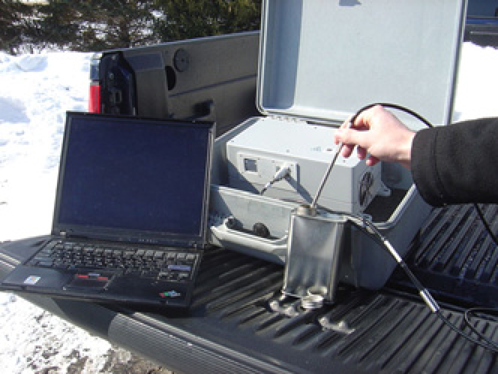
A new application note demonstrates the ability of Aspectrics’ MultiComponent 2750 Encoded Photometric Near-Infrared (EP-NIR) analyzer to provide accurate measurements of biodiesel in B0 to B100 diesel blends. Derived from biological sources, biodiesel is gaining momentum as the energy source of the future being biodegradable, nontoxic, and producing around 60% less net carbon dioxide emissions than petroleum-based diesel. The ‘B’ factor is an international system used to state the amount of biodiesel in any fuel mix. Determining this amount is especially important to specify the purity level of a diesel blend.
This application demonstrates that when coupled to an external halogen NIR source and an extended range 2 mm pathlength process transmission probe, the EP-NIR analyzer is capable of determining the precise percentage volume of biodiesel in various diesel blends within the B0–B100 range.
Samples of B0, B10, B20, B90, B95, and B100 were gathered and analyzed in several replicates. Focus was on the most common blending ranges, B0–B20 and B90–B100. The resulting spectra were randomly split into two groups, one used to develop a calibration model and the other to validate the equations created for accuracy. Both Principal Components Regression (PCR) and Partial Least Squares (PLS) chemometrics methods were used to develop calibration equations.
During the analysis, the PLS model performed marginally better than the PCR model, resulting in a 99.9% confidence level of the finished blended product with an accuracy of ±0.27% volume. It was also demonstrated that the measurement of biodiesel percentage volume in the final blend can easily be carried out using chemical information characteristic of and specific to the biodiesel product only.
The application note, entitled “MC2750 EP-NIR: Accurately Measuring Biodiesel % vol. in B0–B100 Blends”, is available to download free of charge.
For more information, visit http://www.aspectrics.com, e-mail
Application Note: MultiComponent 2750 EP-NIR Analyzer for Biodiesel Samples

A new application note shows that the MultiComponent 2750 Encoded Photometric Near-Infrared (EP-NIR) analyzer can achieve precise, simultaneous measurement of water, methanol, and total glycerin in B100 biodiesel samples. U.S. and European regulations define the maximum allowable concentrations of contaminants in B100 biodiesel finished product. According to Aspectrics, the cost of sending noncompliant samples to third-party laboratories for testing can be as high as $1200/sample, so prescreening the samples using the Aspectrics EP-NIR analyzer can eliminate noncompliant samples and achieve cost savings for biodiesel producers.
Aspectrics says that the new application note, entitled “Simultaneous Measurement of Water, Methanol, and Total Glycerin in Biodiesel Synthetic Samples Using an MC2750 EP-NIR Spectrometer,” shows that its MultiComponent 2750 EP-NIR analyzer is a fast, nondestructive and cost-effective B100 quality control tool, when used in conjunction with an external halogen NIR source and an extended range 2-mm pathlength process transmission probe.
For more information and a copy of the note, visit http://www.aspectrics.com.
Application Note: Measurement of Water in Ethanol

A new application note from Aspectrics reports that its new MultiComponent 2750 Encoded Photometric Near-Infrared (EP-NIR) analyzer can achieve precise measurement of water in ethanol, particularly when ethanol concentrations are 90% or greater. Determining the percentage of water contained in ethanol is considered important during the purification process of ethanol, when the percentage of water needs to be minimized for ethanol to be as absolute as possible.
The application note entitled “Measurement of Water in Ethanol—Using an Aspectics MC2750 EP-NIR for Concentrations of Ethanol Greater Than 90% v/v” shows how the Aspectrics MultiComponent 2750 EP-NIR analyzer, when coupled to an external halogen NIR source and an extended range 2-mm pathlength process transmission multimode fiber probe, is able to quantify the percentage volume of water in ethanol.
For more information or to download a copy, visit http://www.aspectrics.com.
MultiComponent 2750 EP-NIR Process Analyzer
According to Aspectrics, its new MultiComponent 2750 Encoded Photometric Near-Infrared (EP-NIR) analyzer covers an unprecedented spectral range of 1375–2750 nm, allowing access to information-rich combination bands between 1950 and 2750 nm. This capability is intended to make the new analyzer perfectly suitable for a wide range of applications including biodiesel, edible oils, end point drying, protein and fat analysis, petrochemicals, and alcohols and starch.
For more information, visit http://www.aspectrics.com, e-mail
BioTek Instruments
ELx50 Filter Microplate Washer
BioTek Instruments expands its microplate washing product line with ELx50 Filter Microplate Washer (FMW). Based on BioTek's automated eight-channel ELx50 strip washer, the ELx50 FMW features a syringe-drive fluid-delivery system with an automated vacuum filtration solution for unattended processing of 96-well filter bottom plates.
Unlike solid-bottom microplates, filter microplates must be aspirated from below instead of above to maintain the integrity of free-floating or loosely adherent materials within the microplate wells. Manual methods to wash filter microplates, including vacuum manifolds, are often inconsistent and cannot be adjusted to accommodate different fluid viscosities. According to BioTek, the ELx50 FMW automates the process for consistent wash performance with improved %CVs. Its aspiration carrier may be adjusted for optimal performance with a variety of filter pore sizes from 0.45 to 1.2 μm, fluid viscosities, and plate designs. These features are considered important during vacuum filtration-to-waste processes such as PCR cleanup after DNA amplification, and especially valuable when using multiplex microsphere assay technology.
For more information, visit http://www.biotek.com, e-mail
Gen5 Microplate Data Analysis Software v1.02
According to BioTek, this latest version of its Gen5 software provides new data reduction tools, including a five-parameter logistic fit, several weighting options, and curve constraint definition. New curve metrics include 95% confidence intervals, sum of squares, and degrees of freedom for more detailed results.
Several new experiment and protocol files have been added to the extensive sample files already available in Gen5. Protocols for critical assays such as AlphaScreen cAMP, MycoAlert, and IC50 can be opened and modified as necessary for rapid analyses with minimal setup. Custom summary results and/or detailed procedure and data reduction steps may be quickly printed or exported for one-step documentation of all experimental parameters.
As the operating system for all of BioTek's microplate readers, Gen5 v1.02 software offers a clean and uncluttered interface with multiple options for access to the most common tasks. With increased speed, accuracy, and power, Gen5 v1.02 maintains flexibility for the unique requirements and preferences of microplate instrumentation users, and it includes StepWise tools for intuitive and rapid protocol creation, access, and execution for basic to very complicated protocols.
For more information, visit http://www.biotek.com, e-mail
Brinkmann Instruments
RDT Heat-On Heating Block Range
For chemistry laboratories looking to phase out the use of oil baths or heating mantles for larger scale reactions, Brinkmann Instruments has extended its RDT Heat-On heating block range to accommodate round-bottomed flasks up to 5 L.
For more information, visit http://www.brinkmann.com.
Cerno Bioscience
Online Tutorial: MassWorks CLIPS for ECD

According to Cerno Bioscience, its MassWorks Calibrated Lineshape Isotope Profile Search (CLIPS) software offers a novel method of attaining fast and reliable elemental composition determination (ECD) from single or triple quadrupole mass spectrometers. A new tutorial illustrates how MassWorks CLIPS can attain unambiguous elemental composition ID, a capability which has until now been unavailable using mass accuracy alone, and is difficult to achieve even on expensive high resolution systems.
The new Cerno Bioscience tutorial describes how, when using classical calibration methods, Mass Spectrometry (MS) data are calibrated for mass position only. This approach can lead to substantial errors due to the undefined peak shape, noise, and the empirical basis of conventional centroiding algorithms. Therefore, elemental composition analysis can typically only be carried out using expensive higher resolution systems. The tutorial demonstrates how MassWorks CLIPS uses Cerno Bioscience's approach to MS calibration to accurately locate peaks and suppress noise affecting analysis, enabling users of any single or triple quadrupole mass spectrometers to carry out accurate ECD.
For more information and to view the tutorial, visit http://www.cernobioscence.com.
Application Note: MassWorks and Compound Identification on LC/MS
A new application note from Cerno Bioscience describes how its MassWorks software can enable elemental analysts to carry out accurate compound identification on LC/MS single quadrupole instruments, even at unit mass resolution. According to Cerno, MassWorks can improve mass accuracy by up to 100×, significantly improving the ability to confirm the identity of unknown compounds. In addition, the enhancement in signal-to-noise provided by the software can significantly lower the detection limits for compounds measured at trace levels.
The application note describes how elemental composition analysis can typically only be achieved using higher resolution systems, which can incur much higher costs. MassWorks can enable identification of unknown compounds even when using a low-resolution instrument. With this software, a tandem MS capability is unnecessary, as formula ID is accomplished in the full MS scan mode.
For more information, visit http://www.cernobioscience.com, e-mail
CyBio and Jena Bioscience
CyBi-CrystalCreator
The new CyBi-CrystalCreator is designed for fast and precise pipetting within a large volume range from 0.1 to 25 μL without appreciable evaporation during the process. Consisting of a 96- and an 8-channel pipettor with a 10-place circular carriage, it offers sufficient space for any kind of crystallization plates and reservoirs. This combination allows the automation of the whole protein crystallization process, ranging from screening over optimization even up to scale-up applications.
Hardware, software, and crystallization kits are adjusted and consequently guarantee the economical consumption of the precious protein sample. Completed by a flexible software with graphical user interface, the CyBi-CrystalCreator is considered user-friendly. This software allows the easy launching of different protein crystallization methods (sitting and hanging drop) within a few steps.
For more information, visit http://www.cybio-ag.com, e-mail
Datamonitor
2007 Trends to Watch: Pharmaceutical Technology
This overview of Datamonitor's 2007 Pharmaceutical Technology research agenda shares highlights of three key trends shaping the pharmaceutical technology market in 2007: translational medicine will drive adoption of robust data analytic solutions among other technologies; the industry's future prosperity will depend on PLM technology investments taken sooner rather than later; and improving the effectiveness of sales and marketing will drive investments in CRM technologies. Research methodology is based in part on Datamonitor's Business Trends surveys and primary interviews with vendors and end-users. Geographic coverage includes the United States, Canada, and Western Europe.
For more information, visit http://www.datamonitor.com.
Eksigent
NanoLC MALDI Spotting System

Eskigent's nanoflow chromatography product line now includes a NanoLC MALDI Spotting System. Featuring the new Ekspot spotter, the new system complements the company's existing offerings for nanospray mass spectrometry (MS) proteomics analysis. Integration of the Ekspot with the NanoLC provides single-point control from the Eksigent software. The powerful new tool enables the analysis of complex protein and peptide samples with MALDI MS.
The Ekspot spotter/fraction collector deposits fractions eluted from the NanoLC onto a MALDI plate, whereas a built-in pump automatically adds the matrix. High positioning accuracy ensures consistent spotting with maximum resolution. The high-capacity system stores up to 16 MALDI-targets for high-throughput applications.
According to Eksigent, by eliminating flow splitting, its microfluidic technology improves reproducibility and sensitivity and eliminates solvent waste. The NanoLC's precise microscale flow control runs HPLC gradients at rates as low as 20 nL/min.
For more information, visit http://www.eksigent.com.
Exeter Analytical
Microanalysis Training

During Fall 2007, in Coventry, UK, Exeter Analytical is presenting a series of one-day training seminars for scientists involved with or interested in using microanalysis techniques. The goal of each seminar, delivered by highly experienced speakers, is to improve understanding of microanalysis theory; increase proficiency in handling different sample types; and produce better, more consistent analytical results from systems. The training seminars are open to users of both Exeter Analytical and competitive CHN microanalysis systems.
For more information, visit http://www.eail.com, e-mail
FEI Company and JKTech
Combined Solution for Mining
According to these two companies, they have combined their scanning electron microscope (SEM) technologies and software to deliver applications that can greatly enhance minerals processing and improve evaluation of exploration targets for mining operations. The combined solution features FEI's Quanta SEM and JKTech's Mineral Liberation Analyzer (MLA) software and is available now with liquid-nitrogen-free, high-throughput silicon drift EDS technology.
The MLA, capable of analyzing up to 16 different samples overnight without the need of an operator, is a high-throughput and highly automated mineral analysis system. It rapidly identifies minerals in polished sections of drill core, particulate, or lump materials and quantifies a wide range of mineral characteristics such as abundance, grain size, and liberation distributions.
The automated stage control and image acquisition of the Quanta SEM enable imaging and subsequent X-ray analysis of at least 5000 individual particles for concentrated samples and 50,000 or more particles for tailings or low-grade materials. The geometallurgical and ore characterization data enable users to optimize plant feed quality by avoiding metallurgically poor ore stocks or facilitating effective ore blending.
For more information, visit http://www.fei.com or http://www.jktech.com/au.
Genevac
Application Report: Centrifugal Evaporator for Prep of Weighable HPLC Purification Fractions

A new application report entitled “An effective method for preparing weighable samples from difficult to dry HPLC purification fractions” is now available from Genevac. The method reported uses an HT-Series centrifugal evaporator. According to Genevac, HPLC is probably the purification method of choice within the pharmaceutical industry. However, many pharmaceutical companies regularly encounter a significant number of samples that do not dry well postpurification. Typically, these stubborn samples form a gum or oil that creates problems including accelerated sample degradation (due to residual solvent) and difficulty in accurate weight determination.
The report, compiled in conjunction with KuDOS Pharmaceuticals and AstraZeneca, describes a new sample drying methodology that can produce friable “fluffy” solids that are fully dried and readily weighable from over 90% of previously intractable samples.
The report concludes that using the new methodology, previously difficult to dry samples can be delivered in a totally dry, easy to manipulate format. By using the Genevac HT-Series centrifugal evaporator, the need for the authors to use additional laboratory equipment, such as a freeze drier, was eliminated.
For more information and a copy of the report, visit http://www.genevac.co.uk, e-mail
Independent Studies: Dri-Pure Technology
Dri-Pure technology is available for all current models of Genevac centrifugal evaporators to enable rapid sample drying with no loss of sample and no cross contamination due to solvent bumping. Two independent studies are now available demonstrating the utility of Dri-Pure technology.
A recent study by Evotec-OAI demonstrates the benefits of Dri-Pure in eliminating solvent bumping from larger sample volumes found in tubes and vials. A further study by GlaxoWellcome UK describes the benefits of Dri-Pure in evaporating solvents from microplates during LC/MS purification.
For a copy of the Evotec-OAI study, visit http://www.genevac.com/forms/art-4.html. For a copy of the GlaxoWellcome UK study, visit http://www.genevac.com/products/dripure.html. For more information, e-mail
Hoefer
ULTima Imaging System

According to Hoefer, its new ULTima imaging platform incorporates the latest advances in electronics and optics, provides a versatile, easy-to-use, and readily upgradeable gel documentation system with superior dynamic range for applications in proteomics and genomics. ULTima's image positioning system uses patented optics to enable simple, accurate positioning with no loss of optical resolution, and no need to open the cabinet or manually adjust a fragile gel. The slant-correction feature permits optical rotation of the sample by ±5° for optimum lane detection, without touching the gel. In addition, each of the four models—ULTima 10si, 16si, 16si Plus, and Pro—are fully upgradeable to higher specifications. The ULTima offers true multifluorophore capabilities and supersensitivity, performing fast chemiluminescent imaging, and faint-band fluorescent detection. The filter changer accommodates up to five filters, whereas an optional Optix epiillumination module enables excitation of fluorophores within the VIS/NIR range.
For more information, visit http://www.hoeferinc.com.
Huber
Unistat Nuevo Range
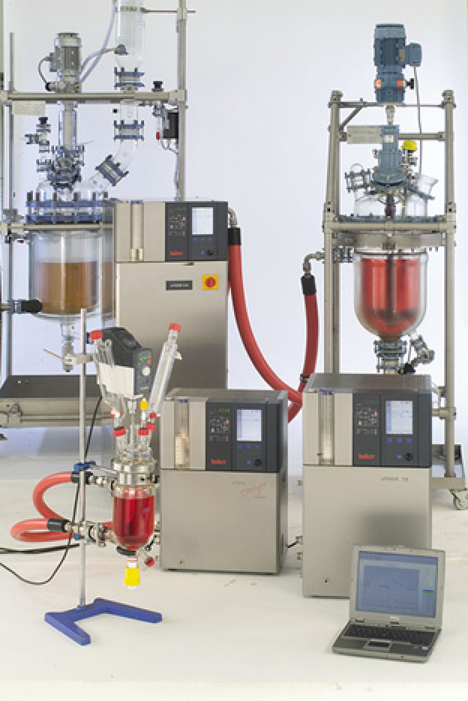
The Unistat Nuevo range is the newest addition to Huber's portfolio of Unistat thermoregulators. Each model in the Unistat Nuevo range is designed to provide users with thermal control to enable them to increase process yields, achieve greater final product purities, and gain reliable and repeatable results at lower running costs.
The Unistat Nuevo range offers active mechanical cooling from –120 to +300 °C. Units feature a powerful variable-speed pump with a soft start designed to give the highest possible flow rates for the safest and fastest ramp rates. The flow and pressure of thermal fluid are closely controlled and monitored by an adaptive controller.
The Unistat Nuevo range uses a hydraulically sealed circulator with a fully self-contained expansion tank at atmospheric pressure. Units are also CFC and H-CFC free and have the option for 100% natural refrigerants. Most Unistat units are available with a choice of water or air-cooling.
All models in the Unistat Nuevo range feature a new touch screen controller with easy to access menus, hot keys, and display of all key parameters, including process temperature, jacket temperature, fluid pressure, and safety settings. The controller includes an option to allow dynamic data to be viewed in a real-time graphical format. Controllers can also mimic previous generation controllers so that existing users have instant familiarity.
For more information, visit http://www.huber-uk.co.uk.
Hudson Control Group
RapidPick

According to Hudson, its new RapidPick is the industry's first and only fully automated high-throughput colony-picking workcell. With RapidPick, researchers now can automate the selection and growth of cells grown on a colony plate, as well as retain a record and image of the specific colony and which plate/well it inoculated. This allows users to establish an unbroken data path from original colony to final result. It has the input capacity of 72 deep-well culture plates and a throughput rate of 6000 colonies per hour.
The RapidPick colony-picking workcell offers completely integrated operation with products such as Liconic's STX 40 robotic incubator, which provides complete automation of the entire culture outgrowth process, and Hudson's RSH 4000 gas-permeable seal applicator to ensure freedom from contamination, as well as an integrated dispenser to apply fresh media to growth plates immediately before inoculation.
The RapidPick takes advantage of Hudson's PlateCrane EX robot loading system and the flexibility of Hudson's LabLinx high-speed and expandable track system that delivers labware to multiple laboratory instruments simultaneously for increased throughput. It also incorporates a barcode Scanner for high performance and capacity. RapidPick is powered by Hudson Control's Group's Softlinx software.
For more information, visit http://www.hudsoncontrol.com.
IDBS
ActivityBase XE v7.0
The latest release of ActivityBase Xtended Edition (XE) includes support for complex assay types (e.g., multiplexing and HCS), extending ActivityBase XE's applicability across the discovery process. According to IDBS, V7.0 offers screening scientists a single environment for data capture, visualization, verification, quality control, and storage. Using ActivityBase XE, users can identify and fix potential issues in the data in a quick and efficient manner. Presenting screening data in a contextually rich environment helps support decision making, and linking analysis templates to experimental conditions can reduce time for maintenance. Suspect data detection provides a transparent and comprehensive means of identifying systematic errors with a screening run. ActivityBase XE's open architecture enables the inclusion of the user's own error detection algorithms and the integration of in-house visualizations, fit models, and mathematic formulae.
For more information, visit http://www.idbs.com.
INTEGRA Biosciences
Online Video: DOSE IT Peristaltic Pump
INTEGRA Biosciences has produced a video that demonstrates how its DOSE IT programmable peristaltic pump can make the dispensing of culture media, buffers, and other solutions easy and efficient. The video leads viewers through system setup, application selection, and starting work. The online streaming video also is available for download as .wmv or .mov files.
For more information, visit http://www.dose-it.info.
Production of High-Quality Blood Agar

According to INTEGRA Biosciences, the Department of Medical Microbiology (IMM) in Lucerne, Switzerland has established an effective technique for production of high-quality blood agar using a combination of MEDIAJET Petri dish filler and DOSE IT P910 peristaltic pump, supplied by INTEGRA Biosciences.
Determination of hemolysis type is an important technique used in microbiology and medical diagnostics. The hemolytic patterns of various Gram positive cocci (e.g., Streptococci) may be differentiated by hemolysis of red blood cells on blood agar plates. Alpha hemolysis is shown by a greenish halo around the colony and is produced by partial hemolysis of the red blood cells. Beta hemolysis is shown by a clear halo around the colony and is produced by complete hemolysis of the red blood cells. Gamma hemolysis is shown as no hemolysis or discoloration of the blood. For production of high-quality blood agar, precise control of dispensing temperature and the time the blood remains at the dispensing temperature are crucial parameters to minimize lysing of blood cells. With lysing of blood cells, the agar changes from a typical light red to a brown color, which can complicate determination of hemolysis type.
Using an INTEGRA Biosciences MEDIACLAVE media preparatory, the IMM optimizes the process by setting and maintaining the dispensing temperature to 45 °C. However, according to INTEGRA, the true innovation in the IMM blood agar preparation technique is made possible by the combination of the MEDIAJET Petri dish filler and the DOSE IT peristaltic pump. Using the two systems in combination allows IMM to mix the blood immediately before pouring the plate resulting in minimal heat degradation (blood cell lysis). This is achieved with a tubing set specifically designed for blood agar preparation, resulting in a uniform high-quality light red blood agar throughout the whole batch, independent of the production volume.
For more information, visit http://www.integra-biosciences.com, e-mail
Micronic
Expell Tips

According to Micronic, new test data show its Expell tips deliver volumes within 0.1% of the set volume, compared to 0.5–0.7% for standard pipettor tips. Expell tips wetting properties virtually eliminate sample retention and reduce the binding of DNA, RNA, and proteins to a minimum. The significant reduction in sample retention can increase the accuracy of pipetting procedures and save precious samples.
For more information, visit http://www.micronic.com, e-mail
Starter Pack for Biobanking and Biorepositories

Micronic now offers a specialist Starter Pack that contains everything needed to start using 2D coded sample storage tubes for a secure sample logistics system that enables traceable regimes for sample collection and storage, eliminating the costly possibility of false sample identities.
Each Biobanking starter pack contains an easy-to-use tube scanner, operating software and a case of screw top tubes. The Biobanking Starter Pack offers savings over buying the products individually.
For more information, visit http://www.micronic.com, e-mail
Millipore
New Publications
Three new publications are available from Millipore. The Analytical Sample Preparation Catalog highlights Millipore's filtration and purification products for removal of contaminants before instrument analysis. The Cell Biology Application and Product Guide presents information to facilitate cell biology and stem cell research using Millipore's complete range of cell culture products. The Immunodetection Application and Product Guide supplies information about the use of antibodies in immunodetection applications. In addition, this handbook highlights the range of products that allow Millipore to offer the complete solution for immunodetection research.
For more information, visit http://www.millipore.com/offices.
PrecisION hCav1.2 Recombinant Cell Line for CardiacProfiler

The human L-type calcium channel has been added to Millipore's CardiacProfiler Service for compound liability testing. According to Millipore, it is the first to offer this voltage-gated channel involved in normal myocardial and vascular smooth muscle contractility. A link between hERG channel block, QT prolongation, and the ventricular tachyarrhythmia Torsades de Pointes (TdP) has been established, revealing the need to assess the cardiac risk of potential drugs. Recombinant cell lines that express multiple subunit ion channels are an integral part of testing novel compounds, yet developing these cell lines is complicated.
According to Millipore, it has simplified the process by adding the PrecisION hCav1.2 recombinant cell line to its CardiacProfiler Service. This cell line stably expresses three subunits and has been developed and validated to meet biophysical and pharmacological properties of the L-type calcium channel found in the human heart. For the L-type calcium channel, the precise timing of opening, inactivation, and closing the channel mirrors the coordinated beating of the heart. Non-cardiovascular drugs should avoid an L-type blocking action at clinically relevant concentrations because such activity may cause cardiac side effects. In some cardiovascular drugs with significant hERG block, L-type calcium channel blocking may be beneficial because the mixed-channel block action may not prolong the QT interval, thereby making it a safe drug.
For more information, visit http://www.millipore.com, or call 800.548.7853 or +1.951.676.8080.
Labeled Secondary Antibodies
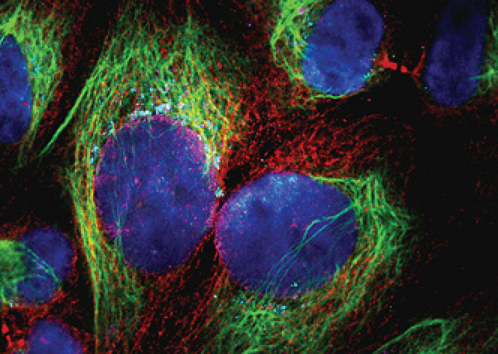
According to Millipore, it now offers high-quality, labeled secondary antibodies used in single- and double-labeling experiments, fluorescence-activated cell sorting, enzyme-linked immunosorbent assay, detection assays, and Western blotting applications. This series of antibodies is available either unconjugated or conjugated to an enzyme, biotin, or fluorophore. All of Millipore's labeled secondary antibodies are manufactured to exacting standards to provide high-quality performance.
Millipore's enzyme-labeled secondary antibodies, including the hyper-HRP-labeled antibody, offer unparalleled sensitivity and permeance in immunohistochemistry applications. The enzyme-conjugated antibodies, depending on application, may produce either a protein luminescence or color the proteins to be visible on the membrane.
Biotin conjugation provides high levels of signal amplification with minimal cost. Combining biotinylated secondaries with a matching line of conjugated streptavidin partners, signals can be multiplied quickly, enhancing their sensitivity in all applications.
Fluorescently labeled antibodies are available conjugated to a variety of flourophores spanning the entire visible and UV spectrum. The type of fluorochrome needed is determined by considering the individual application, available equipment, and filters needed to measure fluorescent emission wavelengths.
For more information, visit http://www.millipore.com, or call 800.548.7853 or +1.951.676.8080.
Syringe Filters with Nylon Membranes

Millipore now offers 33 mm Millex syringe filters with nylon membrane for analytical sample preparation. These nonsterile syringe filters can be used for filtration of 10–100 mL of aqueous and mild organic solutions before high-performance liquid chromatography or other instrument analysis. The 33-mm Millex syringe filters with nylon membranes are available in 0.20 and 0.45 μm pore sizes and can deliver faster filter rates for high throughput.
For more information, visit http://www.millipore.com.
Millipore and CXR Biosciences
New products for the preclinical drug development marketplace are now available as a result of a collaboration between Millipore and CXR Biosciences. These antibodies identify key enzymes and transcription factors important in drug metabolism and its regulation. The product portfolio includes the following.
Human Cytochrome P450 CYP2D6, Human Cytochrome P450 CYP2A6, Human Cytochrome P450 Reductase (POR), Human Pregnane X Receptor (PXR), Human Constitutive Androstane receptor (CAR), Human Farnesoid X Receptor (FXR) (27–143), and Human Farnesoid X Receptor (FXR) (322–472).
This product platform can enable safe drug compounds to be identified sooner and allows only the molecules most likely to succeed in the clinic to advance. Early compound identification makes it possible to reduce the development time for new therapies.
For more information, visit http://www.millipore.com, or call 800.548.7853 or +1.951.676.8080.
Pall Corporation
Kleenpak Aseptic Connectors

Pall Corporation is expanding its line of Kleenpak Aseptic Connectors by adding two new sizes, 1/4- and 3/8-in. to its 1/2-in. connector so that biopharmaceutical manufacturers can achieve the safety and efficiency benefits of instant aseptic connections throughout a much wider range of disposable operations.
For more information, visit http://www.pall.com.
P.A.L.M. Microlaser Technologies
PALM MicroBeam System Accessories
This subsidiary of Carl Zeiss MicroImaging offers new accessories for research into living cells: PALM DuplexDish 35 culture dishes, the PALM DishHolder 35 with CapCheck, and PALM DishHolder 6/35.
The DuplexDish 35 is a 35-mm-diameter culture dish optimized for microdissection. Cells can be isolated, collected, and further cultivated in it without need for an additional trypsinization step. Due to the small diameter of the dish, fewer reagents are required than before. Despite an additional membrane, the base offers optimal gas exchange and exhibits low autofluorescence. The main fields of application are living and stem cell applications with an emphasis on downstream applications such as transfection assays.
For processing under the microscope, the culture dish is inserted in a holder on the microscope stage. This DishHolder 35 features an integrated aperture used to check the success of the specimen isolation. This aperture can be approached with the CapCheck function and after the microdissection is completed, the specimen can be examined in the cap without any need to remove the dish from the holder.
The DishHolder 6/35 can accommodate up to six DuplexDish 35 culture dishes. In addition, it can be inserted in the microscope stage, but it also serves for convenient preparation under the clean bench, either with each dish individually closed or with a cover over all six.
The culture dish and the holders have been specially tailored to the needs of laser microdissection and pressure catapulting technology and permit optimal cell growth and convenient microscopy.
For more information, visit http://www.palm-microlaser.com.
PerkinElmer
Educational Webcast Archive: Technology to Maximize GC and GC/MS Analysis
A new archive of educational Webcasts is now available for free access at the PerkinElmer Web site. The first series focuses on application advances in thermal desorption technology for GC and GC/MS analysis. The Webcasts address analysis challenges facing researchers and demonstrate application-specific solutions to help scientists advance the pace and precision of their research and testing.
The three free-of-charge Webcasts posted in this series include: Analysis of Toxic Airborne Compounds in the Workplace by Thermal Desorption with GC or GC/MS; Air toxics/Ozone Precursor Analyses by Thermal Desorption with GC or GC/MS; and Materials-testing Applications by Thermal Desorption with GC or GC/MS.
For more information, visit http://www.perkinelmer.com/tdwebcasts.
Application Note: Occupational Exposure Monitoring by Thermal Desorption
A new application note provides an overview of occupational exposure monitoring by thermal desorption, and is available free of charge from PerkinElmer.
For more information, visit http://las.perkinelmer.com/content/ApplicationNotes/APP_IndustrialHygieneMonitoringByTD.pdf.
Online Training: Regulatory Compliance Topics
A new online curriculum supports PerkinElmer users in pharmaceutical, clinical, and other heavily regulated industries with training on regulatory compliance topics. The training offerings complement PerkinElmer's OneSource compliance and validation services.
The new e-learning curriculum includes: Good Clinical Practice Levels 1 and 2; Good Manufacturing Practice; Good Laboratory Practice; and 21 Code of Federal Regulations Part 11.
Once registered and paid, a participant may access the training modules for up to 30 days. Each module takes approximately 60–90 minutes to complete, and offers the chance to self-check understanding of the content.
For more information, visit http://www.perkinelmer.com/training.
Clarus 560 D GC/MS

The new Clarus 560 D GC/MS combines the diffusion-pump capabilities of the Clarus 600 D MS with the Clarus 500 GC to enable low-throughput laboratories to conduct reliable, cost-effective analyses.
According to PerkinElmer, the Clarus 560 D GC/MS offers increased productivity through state-of-the-art electronics, the fastest scanning rates to yield the most accurate data, the widest mass range, and the latest in reporting capabilities for easy environmental compliance. It also includes a flexible GC autosampler, an intuitive touch screen interface, and dual channels for additional application work, all in a compact footprint.
For more information, visit www.perkinelmer.com/Clarus560DGCMS.
PAX-10 Xenon Light Source
PerkinElmer Optoelectronics introduces the PAX-10, the newest offering in its PAX family of precision-aligned Xenon light sources. According to PerkinElmer, it is the only company in the market to offer a pulsed Xenon light source with precision arc alignment. The new PAX-10 provides a full 10-W of power and offers OEMs “plug and play” field replacement, a key benefit of precision arc alignment.
The PAX-10 contains a 10-W pulsed Xenon flashlamp, trigger, and power supply, all integrated in a compact, EMI suppressant enclosure. PerkinElmer's PAX family of precision-aligned Xenon light sources are considered ideal for a variety of applications, including absorbance, fluorescence, drug discovery, UV/Vis spectrometry, clinical chemistry, in vitro diagnostics, and proteomics.
For more information, visit http://www.perkinelmer.com.
Dynamic Mechanical Analyzer
According to PerkinElmer, its new DMA 8000 is the cornerstone of the next generation of PerkinElmer thermal analysis instrumentation, and was part of the acquisition of specific DMA technologies from Triton Technology. Scientists in the polymers, composites, pharmaceuticals, and food industries can use this technology for a wide range of diverse applications.
The DMA 8000 has a rotating analysis head, which can be oriented through a full 180° for ease of sample mounting and changing. Its lightweight analytical train is designed for high stiffness, yielding exceptional performance. The instrumentation has the ability to cool rapidly with minimal liquid nitrogen consumption. The DMA 8000 also offers precise humidity and temperature control as a sample's properties are studied, along with an integrated fluid bath for immersion of a sample during testing.
For more information, visit http://www.perkinelmer.com/dma8000.
Spectrum 400
The new Spectrum 400 is an advanced spectroscopy tool that combines optimized near-infrared (NIR) and optimized mid-infrared (MIR) spectroscopy in a single, research-grade instrument. The Spectrum 400 features the ability to automatically switch between NIR and MIR measurement modes and dual sampling positions, enabling users to rapidly change between applications to drive productivity with automatic, push-button ease. It is intended to aid in research, method development, analysis, and troubleshooting in a broad range of chemical and material, pharmaceutical, and academic applications.
The Spectrum 400 is offered with an extensive software suite, including PerkinElmer's AssureID software, which guides and troubleshoots method development and validation, and also provides a simple interface for manufacturing analysis.
The Spectrum 400 can be used in conjunction with PerkinElmer's Spotlight 400 FT-IR Imaging System, enabling MIR, NIR, and attenuated total reflectance imaging capabilities. The Spectrum 400 instrumentation also includes a number of exclusive FT-IR design approaches to increase the quality of data obtained and ensure consistency of measurements over time and between instruments. These features, which include high-quality optical components and a broad range of sampling options, are carried through the Spectrum 100, 100N, and 400 ranges to ensure that methods and spectra can be easily transferred between research and routine-testing laboratories.
For more information, visit http://www.perkinelmer.com/spectrum400.
Spectrum Express Software
PerkinElmer's new Spectrum Express Software is for its Spectrum One and Spectrum 100 series of FT-IR and FT-NIR instruments. Designed specifically for scientists in routine testing and academic teaching environments, the Spectrum Express offers efficient, “walk up and measure” ease-of-use, and seamless integration with new operating systems and other frequently used software applications.
Spectrum Express Software offers a streamlined and modern interface, and allows users to customize their own software interface and by providing a number of printing options and facilities that quickly transfer IR analytical results to Microsoft software.
For more information, visit http://www.perkinelmer.com/spectrumexpress.
SCIEX ELAN v3.4 Software for ICP-MS
According to PerkinElmer, its new SCIEX ELAN v3.4 Software for Inductively Coupled Mass Spectroscopy (ICP-MS) instrumentation has fully automated features to help increase consistency of performance and efficiencies in laboratories with high-productivity demands, including environmental, clinical, and geochemical laboratories, and laboratories in the food, nutrition, and semiconductor industries.
New software features include enhanced productivity tools such as a new Scheduler feature that allows laboratories to preset daily performance checks and to automatically load samples and conduct unattended testing procedures, eliminating the need to manually schedule each test. Procedures such as auto start and warm-up can be set up to run overnight, or early in the morning.
For more information, visit http://www.perkinelmer.com.
qVisc 4320 AX Autosampler Viscometer
The new qVisc 4320 AX Autosampler Viscometer is an automated viscometer for high-volume used oil analysis laboratories, and is designed to help increase throughput and work seamlessly with other used oil analysis instrumentation.
According to PerkinElmer, this analyzer with fully integrated autosampler can run an unprecedented 200 samples unattended to dramatically increase throughput. The viscometer adheres to ASTM method D445, the common industry standard for analyzing oil, which requires that the oil flow under gravity through a glass capillary tube held at a constant temperature in a bath. In addition, this advanced system automatically adds solvents as needed and maintains the cleanliness of the glassware.
For more information, visit http://www.perkinelmer.com/viscosity.
LABWORKS LIMS 6.0
LABWORK LIMS 6.0 is a scaleable Laboratory Information Management System (LIMS) designed to provide users with improved flexibility, choice, and control of their LIMS. This solution delivers a common architecture for both Web and console/client applications.
According to PerkinElmer, a key feature of the improved workflow management system is WorkflowArchitect, a new graphical workflow editor designed to allow the user to easily tailor and test changes to the default LABWORKS workflow. Additional features include the updated LABWORKS Desktop providing an integrated real-time Desktop Messenger system to facilitate real-time communication and system notifications that are important for effective handling of routine and exceptional situations; an integrated Electronic Signature to assist labs in securing faster compliance and approvals; a ClickOnce Subscriber model that improves uniformity and lowers the cost to maintain the system by providing both functionality and ease-of-deployment; and new services for data integration enabling easier sharing of LABWORKS information within the laboratory and the larger enterprise.
For more information, visit http://www.perkinelmer.com/labworks.
RamanStation 400 Spectrometer
PerkinElmer says its new benchtop RamanStation 400 Raman spectrometer combines research-grade performance with push-button ease-of-use. Its dispersive echelle-spectrograph technology allows reliable performance, without the need for moving parts, whereas enabling detection of the full spectral range at a high resolution in a single acquisition. PerkinElmer secured the advanced RamanStation technology through its acquisition of Avalon Instruments.
For more information, visit http://www.perkinelmer.com/ramanstation400.
Porvair Sciences
Application Note: SPE Sample Prep for Rapid LC/MS/MS

A new application note from Porvair Sciences describes an automated Solid Phase Extraction (SPE) method for preparing samples for a rapid assay of a novel anxiolytic compound in human plasma, which uses liquid chromatography with tandem mass spectrometric (LC/MS/MS) detection.
According to Porvair, traditional methods using SPE and LC/MS/MS were found not to have the throughput required to match the capacity of the assay that was being used to support elucidation of pharmacokinetic parameters of the target compound in Phase 1 trials. The SPE method was therefore adapted to use the Microlute—a high-performance 96-well SPE microplate system. The application note describes how the Microlute system enables a batch of samples to be prepared for injection in less than half the time that is required to analyze them.
The method was validated over a concentration range of 100–10,000 pg/mL. Recovery of the SPE method was approximately 60%, and consistent across the calibration range. The authors describe how the Microlute SPE method, unlike protein precipitation sample preparation, is free from LC/MS matrix effects that may influence the ionization of the compound(s) of interest. The method meets all regulatory requirements for clinical studies and is suitable for the analysis of large numbers of samples.
For more information or a copy of the “Microlute Application Note 2,” visit http://www.porvair-sciences.com, e-mail
Krystal-UV Clear-Bottomed Microplates

Porvair Sciences’ new range of clear-bottomed microplates is designed to offer excellent performance in the long-wavelength UV region. Krystal-UV plates are available in 24-, 96-, and 384-well formats, in black or white ultra pure grade polystyrene, and according to Porvair, offer excellent photometric performance down to 325 nm (80%T at 325 nm, 100%T at 335 nm).
For more information, visit http://www.porvair-sciences.com, e-mail
Protagen
Modiro—The PTM-Explorer
Protagen's new Bio-IT software product, Modiro—The PTM-Explorer, automates the identification of posttranslational modifications (PTMs) of proteins to provide more comprehensive information while reducing the time for analysis.
Modiro can analyze thousands of mass spectrometry profiles in parallel to identifying unknown mass shifts, sequence errors, and unspecific enzymatic cleavage of amino acids in high throughput. In a single step, Modiro enables these variances to be clearly visualized and evaluated via a unique interface. According to Protagen, the analysis of many spectra in parallel, together with Modiro's analysis interface, provides a more complete characterization of the protein faster than previously possible.
Modiro can use mass spectrometry data from all leading instrument manufacturers. The program has been developed as part of a collaboration between Protagen and Bruker Daltonik.
For more information, visit http://www.protagen.com.
Radleys
Application Bulletin: Multiscale Synthesis Workstation

A new Application Bulletin (TDS01S) describes the concept of a multiscale synthesis workstation that chemists may use with minimal setup, simply adding or removing specific modules to suit their application.
At the heart of the multiscale synthesis workstation are two water manifolds designed to allow cooling water from a single source to be evenly distributed to multiple condensers and then the flow recombined to one return/drain tube. Each water manifold contains a series of five shutoff valves that automatically open when a connector is plugged in, and close and seal when the connector is removed. Consequently, synthesis/reaction modules can be simply plugged in or removed from the workstation rapidly and without water spills.
Similar to the water distribution manifold, the gas/vacuum distribution manifold allows gas or a vacuum from a single source to be evenly distributed to up to five reactions making it ideally suited for both vacuum and gas purging.
Instead of using traditional mains water supply, the multiscale synthesis workstation uses a chiller to provide cooling water. Able to service up to five standard condensers simultaneously, the Minichiller radically reduces water consumption, improves cooling efficiency, ensures constant cooling unaffected by variations in water pressure, and reduces the risk of flooding should tubing become dislodged.
For more information, visit http://www.radleys.com, e-mail
Carousel Stirring Hotplate
According to Radleys, this new and improved third generation system is precision engineered for unmatched reliability and performance, and offers a host of new features to enable faster heating, more powerful stirring, greater accuracy, and superior safety.
Offering adjustable speed control from 0 to 1200 rpm and a stirring capacity of up to 20 L of water, the Carousel Stirring Hotplate is able to perform a wide range of laboratory tasks. A new digital display enables greater accuracy in setting and control of stirring speeds and temperature (±1 K). In addition, all units now incorporate a removable PT1000 temperature sensor as standard, allowing the accurate control of heating via the measurement of the solution temperature. Users also can purchase a separate electronic Fuzzy Logic temperature controller to further increase operational safety and ensure perfect temperature control (±0.1 K) by eliminating the possibility of temperature overshoot even in applications requiring fast heating. A 600-W heater combined with a highly polished, super-flat aluminum alloy top plate enables the Carousel Stirring Hotplate to rapidly heat to 310 °C.
For more information, visit http://www.radleys.com, e-mail
Thermo Fisher Scientific
Basic Gas Chromatography Training
Basic Gas Chromatography training courses are being presented on August 21–22, and again on October 23–24, at the Thermo Fisher Scientific Training Institute in West Palm Beach, FL.
Designed for those with little to no chromatography experience, Thermo calls this course the perfect starting place for those wanting to explore the key fundamentals and components associated with gas chromatography. During the course, attendees will have the chance to participate in hands-on experiments with real samples and collect data to determine both qualitative and quantitative analysis.
For more information, visit http://www.thermo.com/education.
Software and Hardware Modules for HCS/HCA Platform
A series of advanced software and hardware modules are now available to enhance the functionality of Thermo's HCS/HCA platform. Three major software developments include the introduction of the Thermo Scientific HCSExplorer informatics software, new functionality of its BioApplications line of image analysis software, and expanded capability of its Thermo Scientific HCS Analysis Platform. In addition, a new Brightfield module for the Thermo Scientific Cellomics ArrayScan VTi can provide scientists with increased assay flexibility adding white light imaging to its fluorescent imaging capabilities.
For more information, visit http://www.thermofisher.com.
Multidrop Combi nL Bulk Reagent Dispenser
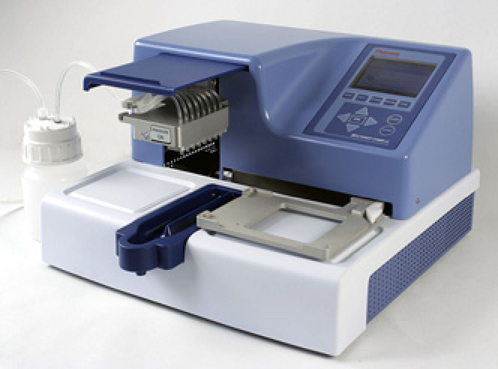
The new Multidrop Combi nL Bulk Reagent Dispenser is for nanoliter-to-microliter volumes. According to Thermo, it provides accurate, consistent, high-throughput dispensing for all laboratories across a volume range of 50 nL to 50 μL; is easy to maintain; and can be used to dispense all common reagents, diluents, buffers, and solvents as well as viscose solutions, cells, and beads, making it ideal for the large variety of assays and protocols.
The Multidrop Combi nL uses a pressurized reagent container with valves to provide high precision and accurate control of liquid flow at all volumes, As a result, reagent waste is greatly decreased. The intuitive graphical user interface makes all functions easy to setup and use. The PC software control option enables greater flexibility, functionality, and easier protocol creation; and protocols can be downloaded onto the instrument for standalone use. The Multidrop Combi nL can dispense into 96-, 384-, and 1536-well plates, adjusting automatically to variation in height and is designed for easy integration with automation solutions, providing low volume dispensing to high-throughput laboratories.
For more information, visit http://www.thermo.com/multidrop.
QuickQuan 2.0
QuickQuan 2.0, for automating high-throughput LC–MS/MS assays, is designed to alleviate the bottleneck of sample analysis in early drug discovery. According to Thermo, QuickQuan delivers rapid LC–MS/MS optimization through an automated online infusion mode and valve switching design, allowing precise auto-tuning with high sensitivity, and maximizing successful automated quantification of chemically diverse compounds. All analytical information can be stored in Microsoft Access or Oracle databases, which facilitates rapid data exchange across global networks. When networked with any of the Thermo Scientific TSQ Quantum triple quadrupole mass spectrometers, the system can access this database and perform sample analysis without requiring reoptimization on each individual instrument.
QuickQuan 2.0 incorporates new features that extend the capabilities of the software to non-GLP (Good Laboratory Practice) laboratories performing medium- to high-throughput quantitation assays. The Autosampler Infusion feature introduced in this version enables automated compound optimization. When coupled with a CTC HTS or HTC PAL autosampler, the autosampler can be configured for use as an infusion pump, providing more accurate optimization results than traditional techniques at a rate of approximately 70 s per compound. Automated optimization of MS/MS parameters enables users to optimize hundreds of compounds without manual intervention.
For more information, visit http://www.thermo.com/ms, e-mail
VISION 4.1

VISION 4.1, the new software package for Thermo's Evolution and Helios UV–Visible spectrophotometers, adds features to VISIONsecurity, VISIONlife, and VISIONpro software, including the ability to remotely trigger the start of data collection and automatic readings via remote fiber optic probes. The new software provides extended capabilities for a wide range of applications in general QA/QC, materials science, and life science markets.
VISION 4.1 enables VISIONlife and VISIONpro software to instruct Thermo Scientific UV–Visible spectrophotometers to automatically start collecting kinetics data. The upgrade package enables the interface between the pneumatic drive of a rapid mixing accessory to mix reactants and trigger the spectrophotometer to start collecting the data remotely. When coupled with the Evolution 300, version 4.1 enables 50 data points to be collected in the first 1000 ms of the reaction with a dead time of less than 8 ms.
The new software also features remote fiber optic probe triggering to provide automatic readings remotely from the instrument, thus increasing time efficiency and providing greater sample throughput. This feature should be of interest to researchers whose target vessel is located a short distance (<10 m) away from the spectrophotometer. For example, a remote fiber optic probe could be used inside a drybox or controlled atmosphere environment. For added convenience, a built-in trigger switch located on the fiber optic probe is used to initiate readings. Remote fiber optic measurements can save considerable time compared to using traditional cuvettes and sipper systems.
New capabilities in VISIONsecurity 4.1 provide additional audit trail events, event monitor functionality, and enhanced electronic signature monitoring. In addition, the integration into Microsoft operating system allows data to be protected even when the VISIONsecurity software is not running. The new built-in weight and volume correction feature eliminates postrun data calculations. New advanced baseline functions for 0%T baseline and standard reference correction enables diffuse reflectance measurements.
For more information, visit http://www.thermo.com/uv-vis, e-mail
ThermoFlex 900 and 1400 Recirculating Chillers
These new additions to Thermo's range of temperature control products for process applications deliver up to 900 and 1400 W, respectively, of continuous cooling capacity. According to Thermo, efficiencies provide up to 20% more cooling than units of similar size and power, and can maintain temperatures from 5 to 40 °C. Both units incorporate a new recirculation system with an integrated funnel, full flow filtration, and visual fluid level indication for easy maintenance. The air and fluid filters on these chillers can be changed during unit operation, and integrated intelligence enables issues to be identified before they impact the process. These chillers feature pumping capacities to 4.1 gpm, and adjustable pressures range to 100 psi. An integrated ramp allows a single person to unpack and install a unit, whereas a quick start guide walks the user through the start-up process.
For more information, visit http://www.thermo.com/thermoflex.
Darwin LIMS v 2.0
Already offering dissolution, stability management, product and batch management, and system interfacing, this new version of Darwin LIMS adds environmental monitoring to the list of out-of-the-box functionality. These standard requirements of pharmaceutical companies, previously met via customization or implemented as an additional module in a generic LIMS, are now addressed by Darwin as standard functionality requiring minimum configuration.
The reporting engine in Darwin also has been dramatically enhanced. Retriever, a Web-based data enterprise reporting solution, features dashboard management that enables Darwin to measure and even forecast key performance indicators in real time. Retriever allows data from any informatics systems, current, or legacy, to be directly and securely accessed by the appropriate people within the organization.
Also new in Darwin 2.0: support for the creation and management of inspection lots via a tight integration with SAP; enhanced instrument management; a new, advanced formula builder to define complex components limits; support for test allocations; and improvements to the review and approval process.
For more information, visit http://www.thermo.com/informatics, e-mail
Sorvall Legend T and RT Plus Centrifuge Series

The new Sorvall Legend T and RT Plus Centrifuge Series is a fully integrated, high-throughput system that includes a broad range of high-capacity, high-performance rotors and adapters for both clinical and research applications. With the addition of four new high-performance fixed-angle carbon fiber rotors and new high-capacity adapters in this release, the Sorvall Legend T and RT Plus Centrifuge Series brings new speed and capacity to the laboratory bench for everyday sample preparation processes.
According to Thermo, the Sorvall Legend T and RT Plus is a versatile 3-L centrifuge that offers researchers the highest benchtop processing capabilities in the market. The strong yet lightweight properties of the carbon fiber rotors allow for unprecedented g-forces—delivering superspeed centrifugation in a benchtop centrifuge: 14 × 50 mL conical tubes; 8 × 50 mL conical tubes at over 22,000 × g; 6 × 250 mL bottles at 15,000 × g, and 48 × 1.5/2 mL at over 24,000 × g, and 28 × 50 mL conical tubes in the swinging bucket rotor in sealed conditions. For blood tube processing, the Sorvall Legend T and RT Plus offers new adapters that deliver industry-leading capacity: 108 × 5 or 7 mL blood-collection tubes and 84 × 10 mL blood-collection tubes.
For more information, visit http://www.thermo.com/centrifuge.
Finnpipette Novus

This new range of electronic pipettes offers its graphical interface in six languages: English, French, German, Italian, Spanish, and Swedish. The availability of these six languages can reduce the chances of user errors for non-native English speakers.
The large, clear text-guided graphical display is designed to be easy to read, and the simple button layout allows users to select the desired language from a two-level menu. Users also can choose from 10 different pipetting functions and 9 pipetting speeds.
For more information, visit http://www.thermo.com/finnpipette.
Bottle-Top Finnpipette Dispensers
According to Thermo, its six new models of bottle-top Finnpipette dispensers cover all volumes from 0.2 to 60 mL with very high consistency, precision, and reproducibility due to the careful design of all components.
For more information, visit http://www.thermo.com/finnpipette.
LTQ XL Linear Ion Trap Mass Spectrometer

The LTQ XL Linear Ion Trap Mass Spectrometer now is equipped with Electron Transfer Dissociation (ETD). According to Thermo, this ion fragmentation technology provides important new peptide structure information not available from conventional dissociation methods. The addition of ETD to the award-winning LTQ XL linear ion trap mass spectrometer can provide significant advantages for protein/peptide characterization, posttranslational modification (PTM) analysis and top-down or middle-down sequencing of proteins and peptides.
For more information, visit http://www.thermo.com/etd, e-mail
NUNC Fluoronunc and Luminunc LockWell Modules

NUNC, which is now part of Thermo Fisher Scientific, offers new Fluoronunc and Luminunc LockWell Modules for enzyme-linked immunosorbent assay applications in immunology and in vitro diagnostics (IVD) that use luminescence and fluorescence detection technologies. LockWell modules are designed to lock into the LockWell frame as individual wells or in strips of eight using a spring-lock mechanism that secures each individual well from below. The frame holds all the wells at the same horizontal level to prevent potential jamming in automated systems. According to NUNC, although transparent LockWell modules are widely used for IVD applications, the advent of new instrumentation using luminescence and fluorescence detection created the need for the new black and white LockWell modules. Surface coatings include MaxiSorp, which is optimized for passive binding of immunoglobulin G; and PolySorp, which is useful for passive binding of most hydrophobic surfaces.
For more information, visit http://www.nuncbrand.com.
NUNC InVitro PDL-Coated PETG Roller Bottles
Ready-to-use InVitro PDL-Coated Roller Bottles can save researchers time and labor. The Roller Bottles are precoated with Poly-d-Lysine (PDL) using a proprietary process. PDL is a synthetic mimic of the extracellular matrix that has been shown to enhance cell attachment, growth, and differentiation in serum-free and serum-containing media of select cell lines such as HEK-293 cells.
Available with a surface area of 1050 cm2, InVitro PDL-Coated Roller Bottles are constructed of shatter-resistant, optically clear polyethylene terephthalate glycol (PETG). Each lot is tested to assure consistent quality and lot numbers are provided on each bottle for full product traceability. InVitro PDL-Coated Roller Bottles have a shelf life of 2 years at temperatures from 4 to 25 °C. PDL-Coated Roller Bottles may be ordered from stock eliminating the lead-times commonly associated with ordering coated cell culture products.
For more information, visit http://www.nuncbrand.com, or call 800.446.2543, extension 7321.
Thermo Fisher Scientific and MayLab Analytical Instruments
MistraSwitch and Surveyor Plus HPLC Software

New software control is now available for MayLab's MistraSwitch multicolumn selector for the Mistral oven with the Thermo Scientific Surveyor Plus HPLC.
According to Thermo, its Surveyor Plus HPLC is specifically optimized for the most demanding HPLC and LC/MS applications. Short cycle times, high sample capacity, low flow rate performance, and patented LightPipe technology in PDA detector have been integrated into one complete system for high-throughput sample processing environments.
MayLab Analytical's MistraSwitch system solution is designed for fully automated selection for up to 10 HPLC columns (for pressure up to 15,000 psi) under temperature control using a Spark Mistral or Mistral Cool column oven. When used with the Thermo Scientific Surveyor Plus HPLC, a variety of different HPLC columns can be under rigorous temperature control and automatically controlled and selected through the Thermo Scientific ChromQuest Chromatography Data System.
For more information, visit http://www.thermo.com/lc, or e-mail
Velocity11
R-Series BenchCel Microplate-Handling System

According to Velocity11, its new R-Series BenchCel Microplate-Handling System features enhanced positional accuracy, increased payload, reduced installation time, and simpler user adjustments. A new quick-swap robot module allows for fast exchange of one of the most critical and complex mechanical assemblies in a plate handler.
The R-Series BenchCel Microplate-Handling System features a high-speed plate shuttle that accesses the integrated microplate stacks and peripheral instruments. Even the smallest R-Series BenchCel can support three peripheral instruments to create highly configurable workstations that can combine a broad range of functionality, including barcode labeling, microplate sealing, plate reading, centrifugation, and sophisticated liquid handling using Velocity11 or third-party peripherals. Users can choose from 2, 4, or 6 stack instrument configurations, and from 4 different sizes of removable racks with capacities of 15–70 standard microplates. A novel delidding function removes and replaces microplate lids as necessary.
The new BenchCel R-Series Plate-Handling System is powered by Velocity11's BenchWorks automation and control software with scheduler, which now includes an improved robot device diagnostics module with an enhanced graphical user interface. To complement these advances, Velocity11 also has new slot-style (top load) and front opening-style (front load) labware racks. The new racks may also be used with original BenchCel X-Series Systems.
For more information, visit http://www.velocity11.com, e-mail
Viscotek
HorizonDLS

Viscotek's new HorizonDLS microplate instrument incorporates Viscotek's Single Mode Fiber optical detection, Dual Attention Technology, and independent temperature control of microplate and sample for automated biomolecular characterization.
According to Viscotek, the HorizonDLS delivers the same unmatched sensitivity on ultra low sample volumes as the Model 802 DLS, but automatically, from the entire plate or selected wells, with no user interaction required. After manual or robotic placement of a prepared microplate into the temperature-controlled instrument, intuitive OmniSIZE software automatically measures the user-programmed acquisition sequence and the results are displayed in seconds. A complete size distribution of an entire microplate can be automatically accomplished in just minutes.
The HorizonDLS is considered appropriate for a broad range of applications, including screening of aggregates before protein crystallization, monitoring size and aggregation as a function of varying solution conditions, buffer optimization and characterization, and screening biotherapeutics for self-association.
For more information, visit http://www.viscotek.com, e-mail
Wyatt Technology
Application Note: Purification Measurements of the Rab11–FIP2 Complex
A recent application by the School of Biochemistry and Immunology of the Trinity College in Dublin, Ireland demonstrates that Wyatt Technology's miniDAWN Multi-Angle Light Scattering instrument measures the finest purification of the Rab11–FIP2 complex. The findings of this analysis are detailed in a new, free-of-charge application note available from Wyatt.
The small GTPase Rab11 regulates the recycling of endosomes to the plasma membrane via interactions with the Rab11 Family of Interacting Proteins (FIPs). FIPs contain a highly conserved Rab-Binding Domain at their C-termini. The overall structure is a hetero-tetramer with dyad symmetry, arranged as a Rab11–(FIP2)2–Rab11 complex. FIP2 forms a central α-helical coiled-coil, with both helices contributing to the Rab11 binding patch on equivalent and opposite sides of the homodimer. The solution state of FIP2 needs to be characterized alone to confirm that Rab11 binds to a preformed complex of the FIP2 homodimer.
For this particular application, the constructs FIP2 were cotransformed into BL21 cells and overexpressed in 2× YT media supplemented with 100 mg/mL ampicillin and 30 mg/mL kanamycin at 37 °C. After induction, cells were grown for a further 3 h, harvested by centrifugation and stored at –20 °C. Frozen pellets were resuspended in Maltose-Binding Protein (MBP) extraction buffer and sonicated at room temperature.
Cell lysates were centrifuged at 20,000 g to remove cell debris and the resultant supernatant applied to an amylose resin. After extensive washing with MBP extraction buffer, bound protein was eluted with MBP elution buffer. Eluted protein was dialyzed overnight against 10 mM Tris, 25 mM NaCl in the presence of rTEV protease. Cleaved protein was loaded onto an ion-exchange column and a salt gradient was applied over a 20-fold excess column volume. The protein fractions corresponding to FIP2 were pooled and further purified on a superdex 200 16/60 column equilibrated in column buffer. The eluant was coupled to a miniDAWN and an Optilab RI.
The results of the analysis reveal that FIP2 is indeed a dimer in solution. Because Rab11 in solution is a monomer, the light scattering data suggest that FIP2 forms homodimers and recruits two molecules of Rab11 during trafficking of Rab11-positive endosomes.
For more information or a copy of the note, visit http://www.wyatt.com or e-mail
Application Note: Novel Malaria Vaccine Candidates
To produce and characterize pilot lots of promising malaria vaccine candidates based on recombinant proteins for use in Phase I and II human trials, the solution profile of a candidate antigen was analyzed using analytical size exclusion chromatography (SEC) with online multi-angle light scattering (MALS), Refractive Index (RI) and UltraViolet (UV) detection. A High-Performance Liquid Chromatography (HPLC) and a PhotoDiode-Array PDA detector were connected in series to Wyatt's DAWN EOS and Optilab RI detectors run by Wyatt's ASTRA software suite. An isocratic elution at 0.5 mL/min was performed using a TSK gel G3000PWxl column and a TSK gel Guard PWxl column with 0.04 mM KH2PO4, 2.97 mM Na2HPO4·7H2O, 308 mM NaCl, 0.5 M urea, pH 7.4, 0.02% sodium azide for mobile phase.
The SEC-MALS results clearly demonstrated that the solution state of the vaccine candidate comprised three populations, namely monomer, dimer, and tetramer. This fact was later verified by boundary sedimentation equilibrium studies.
For more information or a copy of the new application note, visit http://www.wyatt.com or e-mail
More News
In addition, Agencourt Bioscience,
This service offering automates the Agencourt RNAdvance Blood chemistry and NuGEN's Ovation Whole Blood Solution for RNA amplification and labeling, which uses the Agencourt RNAClean Kit and the Agencourt SPRIPlate 96R Magnet Plate. Together, the complete workflow delivers high yields from small RNA samples, whereas eliminating cumbersome, time-consuming steps such as globin reduction and column purification.
Automation is carried out with Beckman Coulter's ArrayPLEX application on the Biomek FX Liquid Handling Workstation. Customized methods were developed by Array Automation, a joint venture of Beckman Coulter and Affymetrix.
Agilent Technologies and
Klaas Kok, Ph.D., of the
To demonstrate the impact of environmental conditions on pipetted volumes,
Aspectrics entered into an exclusive agreement with
Carl Zeiss MicroImaging also donated $2500 and a ZEISS microscope for the
Evotec initiated its first Phase I Clinical Study with EVT 302. This open-label study is designed to access the occupancy of the monoamine oxidase B enzyme in the brain after administration of single oral doses of EVT 302 by the use of dynamic positron emission tomography.
In France, Evotec acquired all shares and assets of
According to
Millipore also announced a collaboration with Dr. Gerry Shaw from the Department of Neuroscience at the
The
According to 3M, its brief has been to find an automated testing system that can run for nearly 24 h a day, 7 days a week, and shakes the inhaler in a similar way as patients. In addition, it must comply with the regulations laid down by the Pharmacopeias. 3M worked closely with RTS to define the required specifications and the subsequent designs to meet these specifications. The overriding aim was robustness in the method of shaking the devices and recovering the collected doses.
The first proof of concept system used a robotic arm to shake the inhaler in a similar manner to that of a patient. 3M tested the results of the RTS proof of concept system against manual testing by a number of analysts. Several tests were performed, benchmarking the automated methodology against manual testing, and 3M was satisfied that the RTS methodology could deliver less variability in the results than a human tester. Other advantages that accrued from the automated system included the removal of the risk of analysts developing work-related upper limb disorders, round-the-clock testing capabilities, and less physical space taken up in the laboratory.
The second proof of concept system concentrates on the other end of the automated process, and is a novel proprietary method that attempts to ensure that the collected dose is fully recovered in an automated wash-down procedure. Other benefits are anticipated to be the use of low volumes of solvent and volumetric analysis rather than the more traditional gravimetric methods.
Thermo Fisher Scientific established a new partnership with Bogota-based
Thermo Fisher Scientific chose the
Velocity11 installed a novel high-throughput automated stem cell culture and screening platform at
The ALA “Not-So-Secret Weapons for Success” Sweepstakes

The ALA Web site offers rich educational, informational, and networking resources for lab automation professionals from the UAE to the UK to the USA. Test your knowledge of what's available, and become eligible to win one of three iRobot Create Programmable Robot Command Modules with Standard Batteries and Chargers.
Sweepstakes ends at 11:00 p.m. on Thursday, August 30, 2007. Three winners will be selected at random from all entries received before sweepstakes end. Drawing will be held on August 31, 2007. Winners will be notified by e-mail and/or telephone, and published at www.labautomation.org. Entries limited to one per e-mail address.
For more information, visit http://www.labautomation.org.
Call for Papers and Academic Travel Award Applications

ALA presents LabAutomation2008, January 26–30, in Palm Springs, CA. Abstract submission deadline is September 10. Also due by September 10 are applications for ALA Academic Travel Awards, which are presented to outstanding students, postdoctoral fellows, and junior faculty members.
For more information, visit http://www.labautomation.org, e-mail
Call for Papers

JALA publishes six peer–reviewed issues each year, and accepts manuscripts on an ongoing basis from ALA members and nonmembers. Lab automation professionals are invited to showcase their achievements by submitting method-focused scientific papers for publication consideration. Manuscript guidelines and submission information are available at http://www.labautomation.org