




Abstract

Adept Technology
Cobra s800 Inverted Robot
According to Adept, its Cobra 800 inverted robot is the only SCARA robot designed exclusively for high-speed packaging with fully integrated vision and conveyor tracking. This high-speed SCARA robot is designed for overhead or wall mounting and features Adept's servo-controls and amplifiers embedded into the base of the robot. This unique design minimizes cabling and reduces the amount of space required inside a control cabinet. Specifications for this new robot include an 800-mm reach, a 210-mm vertical axis, and a maximum payload of 5.5 kg.
Designed to make use of available ceiling space, the Cobra s800 inverted robot is considered ideal for automated applications where standard floor-mounted SCARA robots will not fit in the available workspace. The Cobra s800 inverted is controlled by Adept's small but powerful, SmartController CX, which can control up to 24 additional axes of motion.
For more information, visit http://www.adept.com, e-mail
Agilent Technologies
EZChrom Elite 3.2
Version 3.2 of Agilent's EZChrom Elite chromatography data system is now available. According to Agilent, enhancements include an improved user interface featuring a new Navigation Pane for easy access to software functions, chromatogram graph enhancements, and a new Windows XP look and feel. In addition, powerful new analysis tools enable users to specify custom identifiers and analysis parameters on a peak-by-peak or injection basis directly in the sequence table. Now, users can take advantage of enhanced sequence bracketing options and new baseline specification features.
Additional reporting tools allow the software to generate system administrative reports, customize the printing of sequence tables, and automatically export graphical objects for use in other applications.
For more information, visit http://www.agilent.com/chem/ezchrom.
Aspectrics
Application Note: Analysis of Methane, Ethane, and Propane in Gas Phase

A new application for the analysis of methane, ethane, and propane in gas phase using encoded photometric infrared (EP-IR) spectroscopy technology is available from Aspectrics.
The study proves the capacity of EP-IR spectrometry to collect sufficient spectral information to enable the development of a multivariate quantitative analysis method for the simultaneous measurement of all three gases. The application shows that Aspectrics' EP-IR analyzers are capable of resolving several chemical compounds, even if they share a similar chemical composition and subsequent spectroscopic features. This application is designed to offer scientists working in the process industry an efficient and cost-effective solution for measuring hydrocarbon gases.
This new application note can be downloaded free of charge at http://www.aspectrics.com. For more information, e-mail
Near-Infrared MultiComponent 2750

The Near-Infrared MultiComponent 2750 is Aspectrics' new encoded photometric near-infrared analyzer. According to Aspectrics, it can achieve a spectral range of 1375–2750 nm and an ultra fast scan speed of 100 scans/s, and is designed to enable users in the process industry to monitor processes in real time.
For more information, visit http://www.aspectrics.com, e-mail
202G Method 204D Certification for EP-IR Analyzers
Aspectrics' encoded photometric infrared (EP-IR) analyzers achieved military 202G Method 204D certification for successfully passing the high-frequency resistance test. The test was performed to determine the effect of vibration on component parts of the analyzers in frequency ranges of 0.5–30 Hz. The units demonstrated no degradation in performance during or after the test compared to traditional Fourier transform infrared systems.
To view a video demonstrating this experiment, visit www.aspectrics.com/product/process.php.
Beckman Coulter
BioRAPTR and PicoRAPTR Nanofluidic Workstations
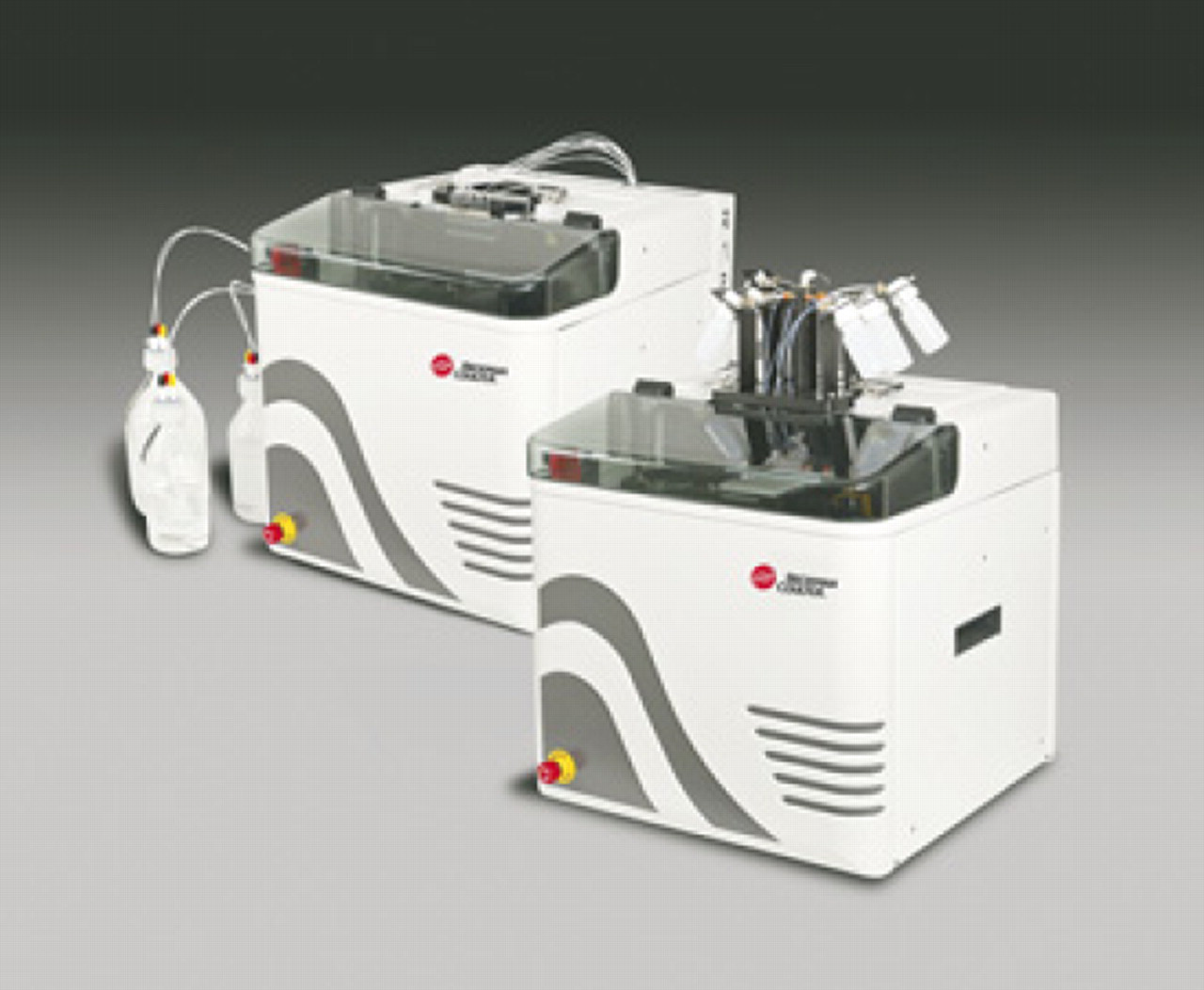
Two nanofluidic workstations are now available as part of Beckman Coulter's liquid-handling portfolio. The BioRAPTR and PicoRAPTR systems, developed by Aurora Discovery, feature advanced, accurate fluidic technology, considered ideal for assay miniaturization.
The BioRAPTR workstation is an automated, noncontact dispenser for 384-, 1536-, and 3456-well plate formats. It delivers precise and accurate dispensing across a low-volume range of 100–60 μL, without cross-contamination. The PicoRAPTR features an eight-tip piezo head and dual-plate carrier stage for high-speed aspiration and pipetting of ultra-low volumes— 1 – 100 μL. With various configurations, the PicoRAPTR workstation provides the ability to complete spotting; compound formatting; dose response for cell-based assays; and SNP assays in high-density microplates, slides, and chips.
For more information, visit http://www.beckmancoulter.com.
GenomeLab GeXP Rat MultitoxP/ex Kit
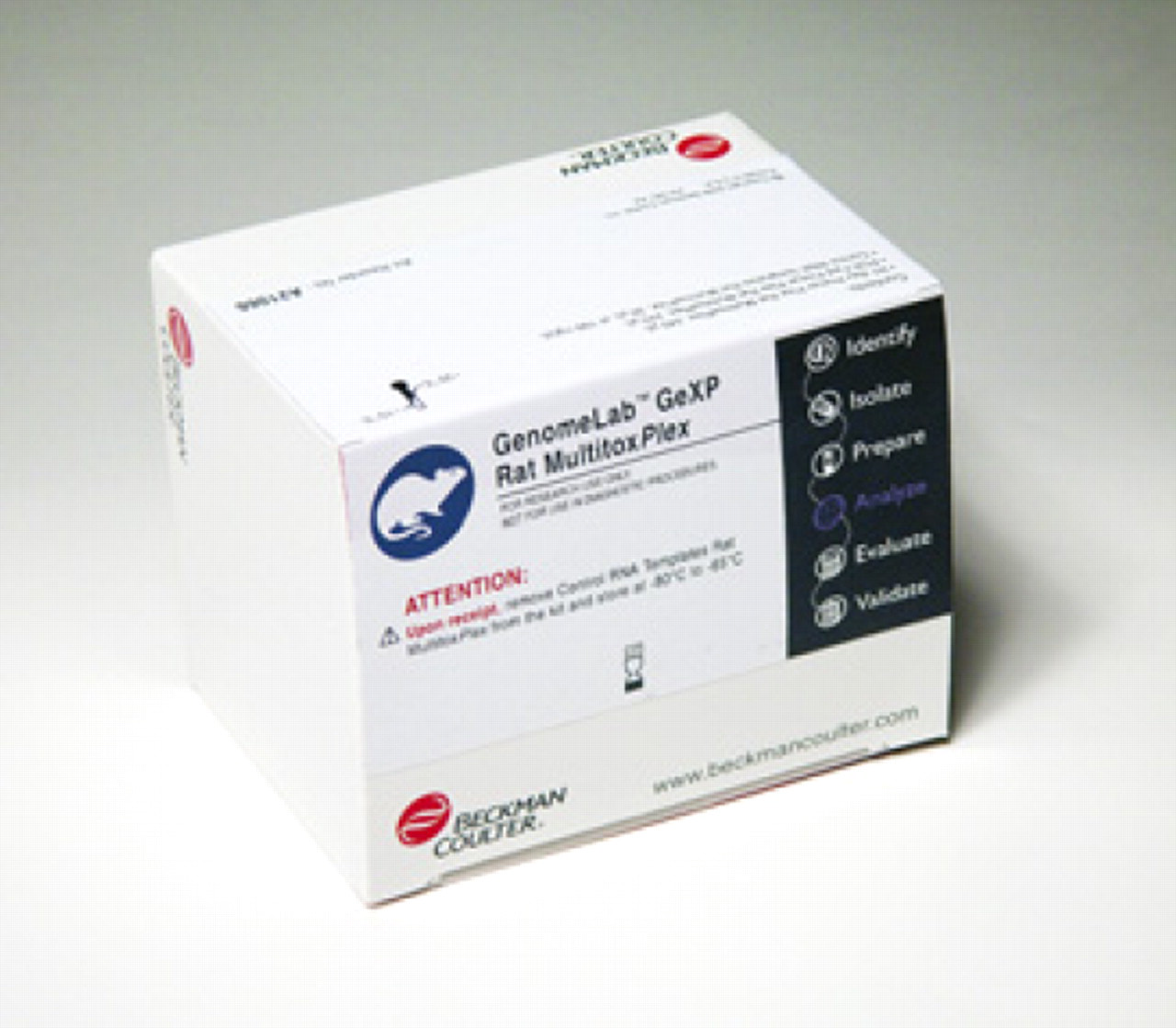
The new kit for the GenomeLab GeXP Genetic Analysis System is for preclinical drug research screening. It contains 25 genes involved in key toxicological pathways including toxicity, stress, DNA damage, and apoptosis. It also includes three reference genes and one internal standard. The GeXP Rat MultitoxP/ex Kit and the GeXP System deliver multiplexed quantitative analysis of genes from hundreds of samples at a time, providing higher throughput than realtime PCR along with important cost savings. GeXP Rat MultitoxP/ex assays run in 96-well plate format, providing a quick way to screen large compound libraries. Researchers also may add their own genes of interest to the new Rat MultitoxP/ex panel. The GeXP system analyzes up to 30 genes in 1 reaction.
For more information, visit http://www.beckmancoulter.com.
MPL Option for Cell Lab Quanta

Beckman Coulter now offers a multiplatform loader (MPL) option for its Cell Lab Quanta SC Flow Cytometry System. According to the company, its new MPL enables accurate, quick handling of a range of plate types, including 96- (flat, round, or deep wells) and 384-well, chilled plates, or a 24 ViCell sample cup holder. Enhancements to the Quanta SC software enable easy setup and programming of the MPL, along with an expanded database capability. The MPL also acts as a pipetting station, aspirating from eight sample cups on a reagent tray. Ideal applications for the MPL option include high-throughput cell-based assays and cell viability analyses in drug discovery.
For more information, visit http://www.beckmancoulter.com.
Brinkmann Instruments
RDT StarFish
According to Brinkmann, several new components are now available on its RDT StarFish range of heating and stirring experiment workstations to further extend its operational versatility and ease of use.
To facilitate the safe and speedy removal of heated glassware from the RDT Starfish, a new universal five-way telescopic clamp with quick release silicone/viton straps is now available. The universal telescopic clamp arrangement securely holds in place up to five different heating and stirring experiments. It is versatile enough to accommodate the widest range of reaction vessels—from small 2-mL vials to 250-mL round-bottomed flasks.
In addition, the same system also can be configured to perform more complex procedures in parallel including synthesis, extraction, concentration, distillation, and digestion. For laboratories regularly looking to heat and stir vials, two new specialist heating blocks (16 × 28-mm Vial MonoBlocks and 3 × 28-mm Vial PolyBlocks) have been introduced.
For more information, visit http://www.brinkmann.com, e-mail
Cellexus Biosystems
Cellexus Sampler

The Cellexus Sampler is a new disposable device for withdrawing samples of cell-culture media from bioreactors. An integrated one-way valve prevents any of the withdrawn sample from returning to the bioreactor. According to Cellexus Biosystems, this reduces the possibility of contamination by viruses, microorganisms, or chemicals that may otherwise find their way back into the main culture. The Cellexus Sampler collects some of the cell culture into mini pouches that are then sealed and cut with a hand-held welding device. The sealed pouches can then be removed from the culture suite and analyzed elsewhere.
For more information, visit http://www.cellexusbiosystems.com, e-mail
Cerno Bioscience
MassWorks Software
According to Cerno Bioscience, enhancements to its MassWorks software provide mass spectrometry users with unprecedented capabilities in elemental composition determination. Using Cerno's calibration techniques combined with this latest breakthrough, users of any single or triple quadrupole mass spectrometer now can attain unambiguous elemental composition ID, a capability Cerno says was not previously possible with accurate mass measurements alone and difficult to achieve even on more expensive high-resolution systems. MassWorks uses Cerno's MSIntegrity calibration technology to achieve up to 100× improvement in mass accuracy on unit mass resolution mass spectrometers. This allows users to obtain mass accuracies of up to 5 ppm.
For more information, visit http://www.cernobioscience.com, e-mail
Dynal Bead-Based Separations
Dynabeads MyOne Immunoassay
A new immunoassay bead for in vitro diagnostic applications, Dynabeads MyOne Immunoassay (Carboxyl), is now available from Dynal Bead-Based Separations, a part of the Invitrogen Group. This new bead type is intended to provide highly precise immobilization of small antigens such as peptides, steroids, and hormones to the surface of the beads.
According to Dynal, the new low-charge carboxyl immunoassay bead is particularly suited to infectious disease testing, along with other antibody tests (autoimmune, allergy, small molecule hormones, and drugs). It can enable users to develop antigen-based assays more easily, as well as with much higher consistency and sensitivity compared to alternative techniques.
The beads are functionalized with a controlled number of carboxylic acid groups. The antigen of choice can then be coupled to the beads, either directly or via a linker, using carbodiimide-mediated amide bond formation. This also reduces the need for BSA blocking to avoid nonspecific binding of serum proteins that would otherwise interfere with an assay.
Dynabeads MyOne Immunoassay (Carboxyl) features a hydrophilic surface for low nonspecific binding, excellent dispersion abilities, and easy handling in a wide variety of buffers. These beads also have a high magnetic mobility in combination with a low sedimentation rate, they do not inhibit enzymatic activity, and they can be included directly in downstream analysis of a bead-bound target molecule. Alternatively, the target molecule can be eluted off the Dynabeads using conventional elution methods.
For more information, visit http://www.invitrogen.com/ivd.
ESA Biosciences
Microdialysis Systems for Sensitivity

ESA Biosciences has introduced two new methods for analysis of microdialysis perfusates to enable neuroscience researchers to achieve greater sensitivity more rapidly and efficiently.
According to ESA, using its advanced separation and detection technologies, researchers can now measure norepinephrine (NE), dopamine (DA), and serotonin (5HT) simultaneously with no interference, and also measure DA and 5HT together in less than 4 min at extremely high sensitivity. ESA's single chromatographic system provides simultaneous quantification of NE, DA, and 5HT in a single sample, making more efficient use of each sample and enabling researchers to obtain information about multiple pathways in a single analysis. The ESA system also provides a superior method for NE measurement. The two applications are achieved using ESA's Model 5300 Coulochem III detector.
For more information, visit http://www.esainc.com, e-mail
Genevac
Application Report: New Protocol for Volatile Compound Recovery
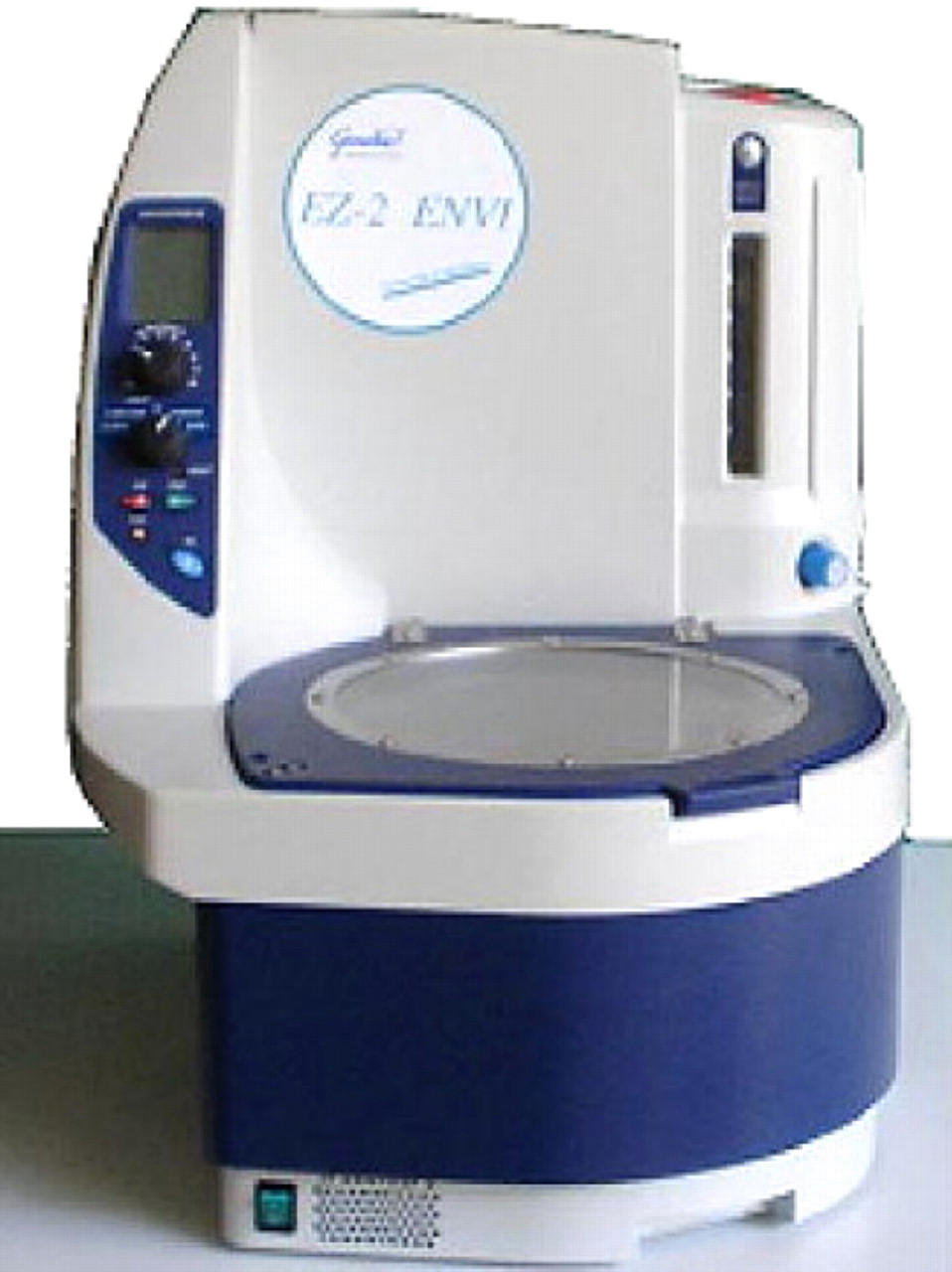
A new application report from Genevac, entitled “A New Method Development Protocol to Increase Recovery of Volatile Compounds,” discusses a novel sample preparation protocol and evaluates a centrifugal evaporation system that together increase recovery of volatile compounds enabling improved analysis of pesticides.
During preparation of environmental samples, containing semivolatile pesticides, evaporation becomes a critical step because of the need to avoid compound loss during the concentration process. Analyte loss is detrimental to accurate analysis, and official directives must be satisfied with regard to minimum analyte recovery.
The report, compiled by the Environmental Protection Agency of Tuscany, Italy (ARPAT), evaluates the Genevac EZ2-ENVI to determine the optimal concentration process, and then describes tests on real matrices spiked with pesticides to validate the new sample preparation protocol.
The new processes and methods were then compared to the original method used by the ARPAT laboratories.
The report concludes that the new sample preparation protocol using the EZ2-ENVI evaporator delivers satisfactory recovery and reproducibility for the analysis of volatile pesticide compounds extracted from organic matrices. In addition, reducing the number of sample transfers between different containers, and eliminating the filtration step by addition of anhydrous sodium sulfate directly to the samples significantly improve the sample preparation protocol. The evaporators' ability to provide hands-free automated concentration of a number of samples at the same time and to provide protection from cross-contamination and bumping was noted to deliver significant productivity benefits compared to using a rotary evaporator.
For a copy of the application report and for more information, visit http://www.genevac.com, e-mail
Auto-Defrost and Drain

Auto-Defrost and Drain as a new option improves the efficiency and drying effectiveness of Genevac's HT-4X, HT-8, HT-12, and HT-24 centrifugal evaporation systems by enabling the evaporators to automatically drain the condenser of volatile solvent(s) between stages in a method, and at the end of a method to fully defrost and drain the system with no user interaction. In this way, volatile solvents that boil off first and are collected in the condenser can simply be removed. To then remove higher-boiling solvents, Genevac evaporators with Auto-Defrost and Drain can quickly achieve the lower pressures required without the traditional problem of volatile solvent boiling out of the condenser spoiling the vacuum.
Vacuum spoiling affects the final dryness of samples, or where high- and low-boiling solvents (e.g., DMSO or DMF with dichloromethane) are mixed to completely stop removal of the higher-boiling solvents. To overcome these problems, until now, a user was required to manually drain the condenser after the volatile solvents had been removed. With Auto-Defrost and Drain, applications requiring removal of mixed solvents with differing boiling points, such as lyophilization or evaporation of HPLC fractions, now can be carried out automatically.
An additional benefit of the Auto-Defrost and Drain function is to automatically defrost and drain the evaporator at the end of the method, so that it is ready for use the next time.
For more information, visit http://www.genevac.com, e-mail
Second Generation EZ-Bio

The new second generation EZ-Bio from Genevac is a high performance benchtop evaporation and concentration system designed for life science laboratories. According to the company, solvent removal tasks commonly involve ethanol, methanol, water, and acetonitrile, and the new EZ-Bio is optimized to remove such solvents.
In addition, built-in programs for common experiments including DNA purification, DNA extraction, oligosynthesis, protein purification, and removing aqueous mixtures (as well as a low-speed centrifuge setting) are intended to eliminate complex instrumental setup procedures.
The EZ-Bio can remove 1 mL of water from each 1.5-mL microcentrifuge tube (in a block of 64) in only 2.5 h, without ever taking the tubes above 40 °C. The integral refrigerated vapor trap captures and condenses the removed solvents. This not only allows faster evaporation, but also unlike most lower-cost systems, does not increase drying times on the EZ-Bio as more samples are added to the load.
For more information, visit http://www.genevac.com, e-mail
Guava Technologies
Application Study: Assessing Regulation of CD4+ T-Cell Function
A new application entitled “Assessing the regulation of CD4+ T-Cell function by distinct cytokine combinations on the Guava EasyCyte Plus platform” is now available from Guava Technologies. The study demonstrates the benefits of its EasyCyte Plus flow cytometry system for investigating the complex interplay of cytokines and immune cells occurring both at the site of infection and in regional lymph nodes.
Precise regulation of effector function is critical for mounting a potent, yet specific immune response to a given antigenic challenge. It has been shown that the microenvironment cytokine content of secondary lymphoid organs at the actual site(s) of antigen presentation exert control over the migration and differentiation of immune cell populations.
Using a multiparametric analysis approach, the application study describes how the effects in culture of all possible combinations of as many as six cytokines on the phenotype and functional capacity of CD4+ T-cell isolates derived from human peripheral blood were investigated.
The study was conducted using the Guava EasyCyte Plus platform, a microcapillary-based cell cytometry system combining the capacity for simultaneous detection of four fluorescent parameters with 96-well high-throughput screening. Simultaneous four-color fluorescence detection greatly expands the results obtainable from any one well, simplifying simultaneous monitoring of more complex biological studies such as cytokine production. Monitoring the interplay of up to four different biological mechanisms simultaneously improves the efficiency of experimental outputs. Not only does this shorten the number of iterations for any one experiment, but it also comes that much closer to mimicking the complex biological responses within the body.
According to Guava, data from the study demonstrate that unique combinations of cytokines have profound and highly varied effects on lymphocyte fate and function in vitro.
For more information, visit www.guavatechnologies.com. For a copy of the study, e-mail
Brochure: The Power of Easy and Affordable Flow Cytometry and Cell Counting
A new eight-page brochure from Guava introduces and discusses how its range of cell-analysis systems has streamlined and simplified fluorescent cell- and bead-based assays by integrating instrument, software, and reagents into a turnkey solution.
According to Guava, the widespread desire to gain a systems perspective by analyzing whole cells has fueled a rising interest in cell- and bead-based assays for basic research, drug discovery, process development, and clinical research. Studying intact individual cells provides intimate knowledge of how various biological pathways can interact. In addition, cellular studies can cost effectively expedite target validation, lead optimization, process development, toxicity determinations, and clinical trials.
Guava's new brochure describes its microcapillary, laser-based technology for detecting mammalian and microbial cells and beads. The benefits of the technology considered to be ease-of-use, data quality, productivity, compact footprint, very small sample size, reduced reagent usage, minimal waste, and affordability are illustrated compared to traditional techniques for cell counting and analysis. An introduction is provided to each portfolio of optimized reagent assays for cell counting and viability, cell cycle, multicolor antigen detection, apoptosis, mitochondrial membrane potential, fluorescent proteins, cell tracking, cell proliferation, cytotoxicity, cell painting, and hybridoma screening.
For a pdf copy of the brochure or more information, visit http://www.guavatechnologies.com (online library, product information), or e-mail
Hamilton Company and Gene Express
MICROLAB STAR and StaRT-PCR

Hamilton Company and Gene Express announce a global collaboration agreement for the supply of MICROLAB STAR pipetting workstations with Gene Express' StaRT-PCR technology.
This new system allows complete, high-throughput processing of StaRT-PCR samples for analysis of tissue, blood, xenografts, formalin fixation paraffin embedded samples, and cell-culture samples performed under strictly controlled Good Laboratory Practice conditions. The Hamilton MICROLAB STAR pipetting workstation can be equipped with up to 16 spanning pipette heads on 1 arm and a 96-, 384-, or nanovolume pipette head.
According to Gene Express, its StaRT-PCR technology is the developing market standard for quantitative and quality-controlled multigene transcript abundance measurement for research and development of drugs, biomarkers, and molecular diagnostics.
For more information, visit http://www.geneexpressinc.com or http://www.hamiltonrobotics.com.
Hyphenated Systems
HS200A NanoScale Optical Profiler
According to Hyphenated Systems, its new HS200A NanoScale Optical Profiler adds extensive automation capability to its HS200OP for the fastest, most repeatable, nondestructive analyses in critical metrology, inspection, failure analysis, and quality control applications.
The system incorporates Hyphenated Systems' Advanced Confocal Microscopy technology that acquires and displays high-resolution (<50 nm) three-dimensional images in seconds. The HS200 systems also provide users with all the capabilities and flexibility of a fully functional, research-grade binocular optical microscope. The system is considered ideal for 3D imaging and metrology of rough or sloped surfaces of MEMS and other semiconductor devices, or imaging subsurfaces through transparent materials.
For more information, visit http://www.hyphenated-systems.com.
Micronic
VolumeCheck
VolumeCheck is a new range of automated systems from Micronic designed to enable fast and reliable determination of sample volume in unsealed 96-well deep- or shallow-well microplates, 96-tube racks, and high-volume test tube racks.

Using proprietary acoustic sensor technology, the VolumeCheck can provide high-accuracy noncontact sample volume determination, for example, ±12.5 μL/well in a 2-mL deep-well plate. Sample volume is derived from the acoustic sample measurement compared against a calibration data set generated from previously collected known sample volumes.
The VolumeCheck is available in three configurations: a standard system, a high-speed model capable of scanning a complete 96-well plate in only 1 min, and a large volume model optimized for handling test tube volume measurements above 2 mL.
For more information, visit http://www.micronic.com or http://www.micronicna.com, e-mail
Easy Open Covers for Comorack Racks

According to Micronic, new covers enable its Comorack-24 and −96 tube racks to be simply and securely locked, ensuring high sample security during transport or storage. Opening is achieved by moving the locker at each end of the cover downward, then squeezing upward. Securely locking on both sides of a rack, the new Comorack cover has been thoroughly tested to operate even at low temperatures.
For more information, visit http://www.micronic.com or http://www.micronicna.com, e-mail
Millipore
ReNcell Product Line

According to Millipore, its new ReNcell product line represents the only human immortalized neural somatic stem cell lines on the market today. The ReNcell products are presented as a convenient solution for scientists needing reproducible results with neurons easily derived from human cells. These progenitor cells are considered particularly useful in drug discovery applications, where the development of these pathways can be monitored during screening.
The ReNcell product line consists of two cell lines of immortalized human neural progenitor cells and media for the maintenance, expansion, and freezing of the cells. These cell lines and media are available either individually or as a kit. This product line is a result of a distribution agreement between Millipore and ReNeuron Group.
For more information, visit http://www.millipore.com, or call 800.548.7853 or +1.951.676.8080.
AdenoSilence Vectors for RNAi Delivery

The first round of adenoviral shRNA expression vector reagents targeting the human druggable genome is now available from Millipore. The classes that are included in this release represent all the major protein classes amenable to small molecule intervention, including kinases, GPCRs, ion channels, proteases, nuclear hormone receptors, secreted proteins, and receptors.
These AdenoSilence vectors are available in three different sequence variants sold individually or as a kit containing all three variants. A replication incompetent version of the human adenovirus is used to introduce shRNA into a broad range of primary cells that decrease the expression of the targeted genes. Human primary cells are the best systems to model disease and work well in target discovery programs.
According to Millipore, AdenoSilence vectors allow for single-step delivery of shRNA through the direct application of the virus supernatants onto a primary cell culture, thereby making any additional transfection reagents or complex transfection protocols unnecessary. AdenoSilence reagents are highly efficient and typically silence the gene of interest for more than 10 days. This extended knockdown duration supports longer-term assay protocols, such as differentiation assays, and simplifies the scheduling of assay runs. This product is a result of a distribution agreement announced earlier this year between Millipore Corporation and BioFocus DPI, the drug discovery service division of Galapagos NV.
For more information, visit http://www.millipore.com, or call 800.548.7853 or +1.951.676.8080.
Forensic Protocol for Concentration of Genomic DNA
A faster protocol using Amicon Ultra-4 100K NMWL centrifugal filter devices to concentrate human genomic DNA to be used in forensic analysis is now available. According to Millipore, its Amicon Ultra-4 devices can quickly ultrafilter dilute nucleic acid samples for fast separation of genomic DNA from low molecular weight compounds and analysis inhibitors.

The source material for forensic analysis is typically blood or blood stains, bodily fluids and/or tissue samples obtained either from crime scenes, directly from individuals, or from human remains. The isolated genomic DNA is used to identify individuals based on their Short Tandem Repeat (STR) profile. The resulting STR genetic fingerprints are unique to each person and can provide unequivocal identification of an individual.
The Amicon Ultra device design is compatible with the multiple spin recovery assays used for STR analysis. The concentrated DNA is collected from the filter unit sample reservoir, while the ultrafiltrate can be collected in the provided centrifuge tube if desired. The Amicon Ultra centrifugal devices incorporate the Ultracel low-binding ultrafiltration membrane in a vertical housing design to deliver high sample recoveries with 10-min spin times. In addition, Amicon Ultra devices allow for direct pipette sample access and are compatible with most rotor types. Amicon Ultra-4 devices are available in packs of 8, 24, and 96 filter units, which come assembled with centrifuge tubes and caps.
For more information, visit http://www.millipore.com, or call +1.800.MILLIPORE or +1.781.533.6000.
Munyak Engineering
Calomaster Reaction Calorimetry System
Heat flow reaction calorimetry is a valuable tool during the scale-up of chemical processes to give information about the enthalpy change of reaction. Enthalpy data are then useful for kinetics, equipment sizing, and safety studies. The Calomaster Reaction Calorimetry System from Munyak Engineering is designed to enable process chemists to acquire enthalpy data as part of routine laboratory experiments using existing reactors.
The Calomaster System monitors changes in temperature between a reactor's jacket and contents to calculate the heat flow via the jacket wall. A proprietary algorithm constantly assesses the direction and magnitude of heat flow and automatically signals any change. Reaction power and energy are displayed in raw or calibrated form in real time during the course of the experiment.
The Calomaster System is available as a stand-alone unit, as software on a Windows pc, or as software that can interface to other applications such as reactor control software. Custom configurations for nonjacketed reactors and options to perform heat balance calorimetry across the jacket and reflux condenser also are available.
The stand-alone unit mounts on monkey bars next to the reactor and can include a thermocouple data acquisition option. It displays all acquired information and allows user control via a color touch screen. Data can be transferred to a desktop pc for archiving, postexperiment review, and reprocessing using the included pc analysis software.
Munyak Engineering is adding the Calomaster Reaction Calorimetry System into its Smart DataLogger instrument, which allows monitoring and logging of all key reaction system parameters while simultaneously informing users of situations of interest inside the reactor via its “smart” algorithms. Data can be stored internally for later review, downloaded to a company Ethernet, or directly sent to an electronic notebook. This system can be expanded into a full Reaction Control System to give automated recipe-driven performance to a collection of existing reactor hardware.
For more information, visit http://www.munyakengineering.com, e-mail
NALGENE
Heat-Shrink Bands
The heat-shrink bands on NALGENE PETG (polyethylene terephthalate copolymer) Square Media Bottles (2019-series) are now offered separately for users who perform liquid fill operations. End users apply the recommended application torque, and then the band is easily placed over the closure and heated to yield a secure containment of contents. When applied correctly, the bottles may not be opened without breaking the shrink band. A broken shrink band indicates that product integrity has been compromised.
NALGENE heat-shrink bands are made of polyvinyl chloride and can be gamma irradiated. Bands are compatible with NALGENE 30, 60, 125, 250, 500, 650 mL, 1, and 2 L PETG Square Media Bottles and HDPE Closures. The shrink bands include a perforated tear strip enabling easy removal when desired. Torque wrench and torque fittings are also available.
For more information, visit http://www.nalgenelabware.com, or call 800.625.4327, +44(0)1432.263933, or +1.585.899.7198.
PerkinElmer
ATR Image Accessory for Spotlight FT-IR 400
PerkinElmer's new attenuated total reflectance (ATR) image accessory for Spotlight Fourier transform infrared (FT-IR) 400 imaging system is optimized to provide the highest quality data while maximizing the available image area. This combination of ATR measurement of large areas within the shortest experiment times increases the information generated and allows more samples to be studied.
ATR is a surface measurement technique that extends the range of samples that can be measured on FT-IR imaging systems, enabling laboratories to get meaningful FT-IR spectra from samples where traditional transmission or reflectance measurements were impossible.
In beta testing at Unilever, the ATR accessory's spatial resolution of 3.1 μm, up to four times higher than that which
can be achieved with conventional transmission or reflectance imaging, was considered a major advantage.
For more information, visit http://www.perkinelmer.com/ATR.
Porvair Sciences
MiniSeal

MiniSeal, the new entry-level semiautomated thermal sealer from Porvair, is for laboratories sealing small to medium batches of microplates. Designed for convenience, the compact MiniSeal requires plugging into a single electrical outlet to operate, eliminating the need to site a thermal sealer near a compressed air source or buying a dedicated compressor.
Unlike hand-operated manual thermal sealers, the MiniSeal uses a preset sealing pressure to deliver highly reproducible plate seals time after time. To complement its ease of use and high-quality plate sealing, the MiniSeal ensures operator safety with its unique twin-button operation.
The CE-approved MiniSeal is capable of producing an accurate and tight seal on any standard, deep well, or PCR microplate from 3 to 62 mm in height. Offering adjustable temperature heat sealing from 50 to 200 °C, MiniSeal is able to operate optimally with most foil and film seals.
For more information, visit http://www.porvair-sciences.com, e-mail
Pierceable Cap Mats for Deep-Well Plates

New pierceable cap mats for Porvair's 1-mL round 96-well deep-well plates are manufactured from ethyl vinyl acetate polymer, and come with a specially weakened area in the shape of a cross on each of the 96-cap/well sections. For automated sample storage applications where piercing and reassessing are required, the new cap mats allow easy, reproducible access while maintaining a high-integrity seal on individual plate wells.
Manufactured under class 10,000 clean room conditions, the new cap mats contain no contaminants that may leach out and affect stored sample. Cap mats are available for Porvair Sciences' complete range of round and square 96-well deep-well plates.
For more information, visit http://www.porvair-sciences.com, e-mail
Radleys
Lara Expansion Hub
The updated Lara Expansion Hub now enables computerized control of lab reactor systems and integration of a wide range of third party laboratory equipment. According to Radleys, its Lara Expansion Hub and Version 2 Lara control software now offer chemists powerful expansion and development opportunities using existing lab reactors.
The Lara Hub is designed to simultaneously accept and control a wide range of third party devices including many popular brands of balances, thermoregulators and circulators, pumps, stirrers, temperature probes, pH probes, and turbidity meters, as well as digital input and output devices and relays.
Combined with Version 2 Lara software, the Lara Hub can control and data log an array of devices. Using its intuitive recipe-driven software, the Lara Hub offers the power to log or repeat experiments, precisely mimic plant, build experiment product and process libraries, and thereby optimize reactions and improve efficiency.
For more information, visit http://www.lara-clr.co.uk, e-mail
Syncroscopy
Montage Explorer
The new Montage Explorer is an automated sample scanning and image-stitching system, which according to Syncroscopy, helps microscopists to rapidly produce a single, perfectly focused image of an entire microscope slide.
The new Montage Explorer system consists of a high-resolution color CCD digital camera that can be fitted to virtually any microscope, with or without a motorized stage, and integrated with a PC that has the latest version of Syncroscopy's Montage Explorer imaging software.
Montage Explorer dynamically extends the field of view so that as users move their sample they can simultaneously extend the depth of field, to produce a 3D image in real time. This allows microscopists to use high-magnification and high-resolution microscope objectives on a wide field of view and saves the time and effort of manually pasting many images together. In addition, Montage Explorer also can be used with an automated xyz-stepper stage, which Syncroscopy can supply as a fully integrated part of a Montage Explorer system.
For more information, visit http://www.syncroscopy.com.
Thermo Fisher Scientific
Retriever Reporting Tool
Retriever is a fully Web-based data enterprise reporting solution that allows data from any informatics systems, current or legacy, to be directly and securely accessed by the appropriate people within the organization. Version 3.2 manages and deploys dashboards—visual displays of information—that are developed as Flash multimedia files using Xcelsius software from Business Objects.
These dashboards can connect directly with data systems to provide real-time analysis of key performance indicators, or to forecast results with simulated data. Information, such as instrument usage in a laboratory, sample turnaround time, or volume of retests, can be automatically or manually updated from the data source according to user preference.
Retriever 3.2 also features a new Report Scheduler that can print, e-mail, or export reports based on a calendar schedule. Retriever data views have been enhanced to provide advanced grouping, sorting, and printing of data.
For more information, visit https://www.brainshark.com/thermo/retriever_3_2.
Heraeus Megafuge 11 Benchtop Centrifuge Series

The new Heraeus Megafuge 11 Series of benchtop centrifuges is the latest addition to Thermo Fisher Scientific's Heraeus centrifuge product family. The Heraeus Megafuge 11 Series is available in air-cooled and refrigerated versions, the compact Heraeus Megafuge 11 Series offers a wide selection of rotors and accessories to support a variety of sample preparation needs.
According to Thermo Fisher Scientific, the Heraeus Megafuge 11 Series provides outstanding capacity and flexibility, accepting up to 60 Vacutainer tubes, as well as 16 × 50-mL conical tubes, and microplates in sealed containers. A wide range of adapters and inserts are available for all universal sample tubes and vessels. Bucket sealing lids provide certified protection and ensure operator safety by keeping hazardous materials securely contained. Expanding on its range of nine different rotors, the Heraeus Megafuge 11 now offers a new high-capacity, 48 × 2-mL FIBERLite microtube rotor that supports higher G-forces and offers increased resistance to corrosive agents, making it a safe alternative to conventional metallic rotors.
The advanced AUTO-LOCK rotor exchange system allows the rotor to be securely locked in place and ready for use within few seconds. This makes it fast, safe, and convenient for users to perform routine cleaning tasks and change protocols quickly. The user-friendly control panel has a bright, easy-to-read digital display; one-push recall keys provide access to frequently used programs, a rotor precooling function and the PULSE function for short runs.
For more information, visit http://www.thermo.com/centrifuge.
2007 Educational Courses
Information about more than 75 courses throughout Europe and the United States in Elemental Analysis, Chromatography, Mass Spectrometry, Molecular Spectroscopy, and Microanalysis is now available from Thermo Fisher Scientific. Courses are relevant to both new and experienced users, and are intended to help improve efficiency and increase uptime in the laboratory. Customized on-site courses also are available.
For more information, visit http://www.thermo.com/worksmarter.
Viscotek
Model 802 DLS Instrument

According to Viscotek, the new generation of its Model 802 Dynamic Light Scattering (DLS) instrument offers performance advantages born out of Viscotek's exclusive single-mode fiber technology, and a host of other new technical innovations, and is designed especially for laboratories that need a complete understanding of how their protein, biopolymer, or nanoparticulate material behaves in solution.
Traditionally, laboratories faced with analyzing higher-concentration samples, such as emulsion or nanoparticles, find traditional light scattering instruments limited in terms of both sensitivity and resolution. To address these deficiencies, Viscotek developed as an option for its new generation system—Dual Attenuation Technology (DAT).
DAT is a unique technique that controls the level of light entering the sample and the scattered light going to the detector to enable work at the optimum conditions for the laser and detector irrespective of sample type. In combination with OmniSIZE 3.0 software, the new generation Model 802 DLS with DAT can automatically adjust the instrument to its optimum setting sample by sample—from 100% transmission for the maximum sensitivity down to 0.0001% transmission for concentrated samples (a dynamic range of 106).
Further innovations introduced on the new Model 802 DLS include a 544-channel correlator that provides, as standard, industry-leading resolution and distribution accuracy. In addition to operating up to 90 °C, the new instrument now incorporates digital sensors that provide
automatic environmental control as well as real-time humidity and dew point information.
For more information, visit http://www.viscotek.com, e-mail
WPA
UV–Visible Spectrophotometer Analysis System for Ships
L&I Maritime has developed an analysis system based on a UV–Visible spectrophotometer from WPA that enables ships to accurately monitor the tank cleaning and cargo tank preparation before the carriage of sensitive chemical products across seas.
By precisely controlling the tank cleaning processes, it is possible to reduce the amount of washing residues, minimize waste disposal, minimize the amount of detergent and solvent-based cleaning materials required, and reduce the amount of time required for the cleaning process. All of which can significantly contribute to today's modern ship owner's goal of a safer, less wasteful, and more environmentally aware process.
The instrument's ability to measure UV absorbance also enables ship owners to monitor the quality of the cargo during the loading process and after the vessel has been fully loaded. This information provides a traceable chain of analytical results that can significantly reduce the likelihood of cargo contamination.
According to WPA, its Lightwave II diode array UV–Visible spectrophotometer is ideally suited to this application, offering easy-to-use software, stored application methods, and flexible sample handling. The instrument has no moving parts and a long-life Xenon source for reliability.
For more information, visit http://www.wpaltd.co.uk, e-mail
More News
Applied Robotics closed its Belgian office. According to the company, the purpose of the closing was to eliminate duplication of effort, enhance communications, and better serve customers.
Aspectrics appointed Robert G. Messerschmidt as its new chief technology officer. Messerschmidt is based at the company's North American headquarters in Pleasanton, CA. He previously held senior management positions with Fovioptics, Spectra-Tech, and InLight Solutions.
Astech Projects reported a major increase in bespoke and product automation sales. Inroads also were reported across global markets with pan-European and U.S. installations. As a result, Astech invested heavily in both its mechanical and software design groups, increasing its workforce by 20%.
Beckman Coulter finalized an agreement to purchase the entire instrumentation asset portfolio of Aurora Discovery. The financial terms were not disclosed.
This portfolio includes all related nanofluidic and detection assets, inventory, patents, and trademarks from Aurora Discovery. Beckman Coulter will assume ongoing customer support for the installed base. Manufacturing of these instruments and new products using these technologies will be transferred to Beckman Coulter.
BioTek Instruments received DLReady certification from Promega for dual-luciferase assays on both the Synergy 2 and Synergy HT multidetection microplate readers. This certification validates an instrument to the highest performance levels and standards for the Dual-Luciferase Reporter (DLR) Assay System, which is considered to be one of the most common luminescence-based assays for measuring gene transcription and control in microplate format.
In addition, Cisbio International awarded HTRF certification to the BioTek Synergy 2 Multi-Detection Microplate Readers. With this certification, Cisbio guarantees that Synergy 2 meets or exceeds performance and functional criteria for optimal HTRF readout.
Caliper Life Sciences announced a partnership with Molecular Probes, a wholly owned subsidiary of Invitrogen, to develop and distribute custom fluorescence labeling kits optimized for use in combination with Caliper's IVIS in vivo optical imaging systems. The kits, VivoFluor 680 and 750, will use the Invitrogen Alexa Fluor 680 and 750 dyes and allow researchers to leverage the IVIS systems' highly sensitive fluorescent detection capabilities to more accurately identify and tag specific molecular targets, such as antibodies, proteins, and peptides, in living animals.
Chip-Man Technologies contracted Dr. Al Kolb of KeyTech Solutions as a consultant to assist in the introduction of the Cell-IQ to the United States, and in building a U.S. base of operations.
David Weber, president and CEO of Eksigent, was elected to the Analytical and Life Science Systems Association Board of Directors.
Evotec signed a definitive agreement with PerkinElmer pursuant to which PerkinElmer will acquire Evotec Technologies in a cash transaction valued at
approximately EUR $23 million. Evotec Technologies is a majority-owned subsidiary of Evotec.
Franek Technologies was selected to protect XDx's $900,000 investment in Applied Biosystems 7900 Sequence Detection Systems used for postcardiac transplant rejection monitoring research. On the basis of past experience with brownouts at its research facilities, Franek says XDx proactively sought the higher-level power protection offered by Franek to protect its investment in instrumentation and the irreplaceable patient samples that are paramount to testing for acute cellular rejection in postcardiac transplant patients.
Guava Technologies appointed Donald D. Huffman as the company's chief financial officer. Huffman has more than 25 years of financial experience and leadership with Fortune 200, midsized and emerging growth companies including Sanderling Ventures, Genteric, Microcide Pharmaceuticals, Celtrix Pharmaceuticals, and EndoSonics.
Hudson Control Group announced that the U.S. Department of Agriculture (USDA) accepted delivery of the ProLink Express Automated Workcell. According to Hudson, USDA researchers have been working on developing a new yeast gene with the potential to increase the amount of fuel ethanol obtained from a bushel of corn by 10%, and the ProLink Express is the first robot workcell of its kind that completely automates the multiple tasks required by USDA scientists to meet their objective of converting cellulose to ethanol and producing dramatically higher yields of fuel from the same quantities of corn. It includes a robotic colony picker, automated incubator, reagent dispensers, plate sealers, and plate reader, serviced by Hudson's PlateCrane EX and LabLinx microplate-handling robots.
According to ID Business Solutions, Serano is more than doubling its number of BioBook users. BioBook is ID Business Solutions' electronic study management and integration tool with advanced data management, analysis, and reporting capabilities.
According to INTEGRA Biosciences, its CELLine 350 cell-culture system enabled Germany's Institute for Molecular Medicine & Experimental Immunology to transform the effectiveness of its small-scale antibody production.
Invetech announced that its vice president of business development, Robert Speziale, was named chair of the Society for Biomolecular Sciences' Partners in Commerce Committee.
onCore UK licensed LabVantage's Sapphire BioBanking Solution to support the launch of its large-scale operational cancer biobank. Founded as a collaboration between the Department of Health (England), the Medical Research Council, and Cancer Research UK, onCore UK will create and run this biosample resource, collecting and storing tissue and blood samples donated by patients and making them available to cancer researchers on a scale unprecedented in the United Kingdom.
The Roswell Park Cancer Institute licensed LabVantage's Sapphire Laboratory Information Management Suite, including LabVantage's Sapphire BioBanking Module, as the cornerstone of its enterprise-wide translational research initiative.
In addition, Mary Kay implemented LabVantage's Sapphire LIMS for its cosmetics testing laboratories.
Oxford Gene Technology was selected to design and fabricate microarrays for the Innate Discovery Team as part of the Center for HIV–AIDS Vaccine Immunology research project to develop vaccines for HIV. The team is led by Professor Andrew McMichael of Oxford University, and Dr. Persephone Borrow of the Edward Jenner Institute.
Peakadilly changed its name to Pronota.
PerkinElmer signed a 3-year agreement with Schering, a subsidiary of Schering-Plough, to provide and implement its OneSource maintenance solution at four Schering-Plough laboratory sites in New Jersey. This represents the extension of an existing relationship between these companies for analytical and life sciences instrumentation and related services.
RTS Life Science's SmaRTStore was installed at a U.S. biotech company in the San Francisco Bay area, replacing a bank of manual freezers. The automated cherry picking capability of the system has freed up operator time from what was previously a manual process. SmaRTStore has been integrated into the existing LIMS using standard APIs.
In the company's Manchester office, Mark Fish was appointed as operations manager for Drug Delivery Automation. According to RTS, this new post reflects increased expansion into new areas overseen by the new MD, Gary Walsh.
The Technical University of Denmark placed an $11.5 million order for seven FEI Company microscopes that will form the core of the University's new Center for Electron Nanoscopy. The order represents the largest product sale ever for FEI, and includes two Titan scanning/transmission electron microscopes, a Tecnai 20S-Twin TEM, a Helios NanoLab 600 DualBeam, a Quanta 200 3D ESEM DualBeam, a Quanta FEG SEM, and an Inspect S low-vacuum SEM.
Thermo Fisher Scientific announced a new partnership with Interfusão to market, distribute, and deploy Thermo Scientific-branded LIMS and chromatography data systems (CDS) to Brazil's growing metals, minerals, and mining industries.
In addition, it was announced that PEMEX Gas and Basic Petrochemical, a subsidiary of Petroleos Mexicanos (PEMEX), the largest company in Mexico, standardized its laboratory automation by deploying Atlas CDS alongside SampleManager LIMS, two Thermo Scientific enterprise software solutions.
In other Thermo news, the company announced that its Kynar (PVDF) tank won the 2006 Innovative State of the Art and Product of the Year awards from the Association of Rotational Molders.
According to Velocity11, its VPrep/BenchCel/PlateLoc automation system has enabled the Hubrecht Laboratory to routinely and error-free grid out genomic template DNA from 96-well deep-well blocks into hundreds of 384-well PCR plates, setting up PCR and sequencing reactions. The Hubrecht Laboratory, also known as the Netherlands Institute for Developmental Biology, is a fundamental research institute funded by the Dutch Academy of Sciences.
In other Velocity11 news, the company was named as the 25th fastest-growing private company in the Silicon Valley Fast 50 by the Silicon Valley/Jan Jose Business Journal, and was noted at number 396 on the 2006 Deloitte Technology Fast 500 list of fastest-growing technology companies in North America.
Journal of the Association for Laboratory Automation
JALA Authors in “Clinics in Laboratory Medicine”

Congratulations to the JALA authors whose manuscripts were selected for publication in the March 2007 special laboratory automation issue of Clinics in Laboratory Medicine. This special issue features a sampling of original reports and technical reports from 2005 to 2006 issues of JALA. For more information, visit http://www.labmed.theclinics.com.
Original Reports
Verifying Liquid-Handler Performance for Complex or Nonaqueous Reagents: A New Approach
By Keith Jeremy Albert, John Thomas Bradshaw, Tanya Knaide, Alexis Rogers
(August 2006, p. 172–180)
Hardware Flexibility of Laboratory Automation Systems
By Peyman Najmabadi, Andrew Goldenberg, Andrew Emili
(August 2006, p. 203–217)
Noninvasive Fluid Property Measurements Using Acoustic Methods
By Michael Forbush, Humphrey Chow, James Chiao, Andrew Rose:
(August 2006, p. 188–194)
Simulation-Based Analysis of Fluid Flow and Electrokinetic Phenomena in Microfluidic Devices
By S. Krishnamoorthy, A. S. Bedekar, J. J. Feng, S. Sundaram
(June 2006, p. 118–128)
The Use of a Dual Dye Photometric Calibration Method to Identify Possible Sample Dilution from an Automated Multichannel Liquid-Handling System
By Huijin Dong, Zheng Ouyang, Jane Liu, Mohammed Jemal
(April 2006, p. 60–64)
Nanoporous Noninvasive Cellular Electrical Activity–Based Analysis Devices
By Shalini Prasad, Jorge Quijano
(April 2006, p. 65–75)
An Automated Metrics System to Measure and Improve the Success of Laboratory Automation Implementation
By Neil Benn, Fabrice Turlais, Victoria Clark, Mike Jones, Stephen Clulow
(February 2006, p. 16–23)
A 21st Century HPLC Workflow for Process R&D
By Brent Karcher, Merrill Davies, Edward Delaney, John Venit
(December 2005, p. 381–394)
Technical Briefs
Automated Solutions for Total RNA Isolation from Diverse Sample Types
By Paula Selley, Jimmy Bruner, Fiona Kelly, Frank Maurio, Michelle Waters, Jay Strum
(October 2006, p. 309–313)
A Buoyancy-Driven Compact Thermocycler for Rapid PCR
By Nitin Agrawal, Victor Ugaz
(August 2006, p. 217–221)
Using a Microcantilever Array for Detecting Phase Transitions and Stability of DNA
By Sibani Lisa Biswal, Digvijay Raorane, Alison Chaiken, Aran Majumdar
(August 2006, p. 222–227)
A Low-Cost, Low-Power Consumption Miniature Laser-Induced Fluorescence System for DNA Detection on a Microfluidic Device
By Sushil Shrinivasan, Pamela Norris, James Landers, Jerome Ferrance
(August 2006, p. 254–259)
A Fully Automated Robotic System for High Throughput Fermentation
By Hartmut Zimmermann, Jochen Rieth
(June 2006, p. 134–138)
Determination of Cell Colony Formation in a High-Content Screening Assay
By Paul Wylie, Wayne Bowen
(August 2005, p. 203–207)
Assessing hERG Channel Inhibition Using PatchXpress
By Justin Ly, Gordon Shyy, Dinah Misner
(August 2005, p. 225–231)
Automated Forensic DNA Purification Optimized for FTA Card Punches and Identifiler STR-based PCR Analysis
By Lois Tack, Michelle Thomas, Karl Reich
(August 2005, p. 231–237)
JALA Tutorials
Assay Optimization: A Statistical Design of Experiments Approach
By Maneesha Altekar, Carol Homon, Mohammed Kashem, Steven Mason, Richard Nelson, Lori Patnaude, Jeffrey Yingling, Paul Taylor
(February 2006, p. 33–41)
Three New Members Join JALA Board
At its 2007 annual business meeting, JALA officially welcomed three new volunteers to its editorial board: Gordon R. Alton, Ph.D., of
Call for Papers
JALA publishes six peer-reviewed issues each year, and accepts manuscripts on an ongoing basis from ALA members and nonmembers. Lab automation professionals are invited to showcase their achievements by submitting method-focused