




Abstract

Agilent Technologies
ZORBAX Eclipse Plus HPLC Columns
The ZORBAX Eclipse Plus line of HPLC columns from Agilent Technologies represent a major expansion of its ZORBAX family of columns for analytical, high-resolution, and fast LC applications, including pharmaceutical, QA/QC, hydrocarbon-processing, environmental, and food-safety analysis.
According to Agilent, its new ZORBAX Eclipse Plus LC columns deliver excellent peak shape for the most difficult basic compounds; superior peak shape, efficiency, resolution, and lifetime with all sample types—acids, bases and neutrals; highly reproducible performance, resulting from Agilent's rigorous product QA/QC testing; easy, efficient, and reliable method development and method transfer; essential size options—available in 1.8, 3.5, and 5 um particle sizes for all analytical, high-resolution, and fast LC analyses.
For more information, visit http://www.agilent.com.
GeneSpring GX 7.3 Gene Expression Informatics Software
Upgraded GeneSpring GX 7.3 gene expression informatics software offers a series of new features designed to enable researchers to gain faster access to and visualization of biological relevance through the software's full gene ontology information and browser. GeneSpring GX 7.3 also allows researchers to quickly determine if a gene is a member of a pathway, and whether a gene list is enriched with genes that are in a particular pathway.
The new release also provides higher confidence in the results through more significant clustering and trees; bootstrapping and Complete, Average, and Single Linkage; and new Volcano and Box Plot visualizations and improved error model for two-color data.
GeneSpring GX 7.3 is compatible with all major commercial gene expression platforms, including Agilent's recently introduced dual-mode one-color/two-color platform.
For more information, visit http://www.agilent.com.
Free ICP-MS Primer and Video
Resources for anyone wanting to understand the principals and capabilities of Inductively Coupled Plasma Mass Spectrometry (ICP-MS) for trace metals analysis are now available free of charge from Agilent. A pdf-file of the 86-page Agilent ICP-MS Primer can be downloaded, or a printed copy can be requested from Agilent at http://www.chem.agilent.com/icpms. A 7-min video can also be downloaded from the site.
These educational tools are designed for newcomers to ICP-MS as well as experienced users interested in up-to-date information about collision/reaction cells and new speciation applications.
Beckman Coulter
Biomek FXP and Biomek NXP
The Biomek FXP and Biomek NXP Laboratory Automation Workstations are now available with major upgrades.
According to Beckman Coulter, hardware enhancements to the Span 8 Pod on both of these liquid-handling systems provide increased positioning accuracy for accessing 384-well plates and other high-density labware. Clot detection and septum piercing capabilities, previously only available on the Biomek NX, are now built into the FXP system as well. The multichannel pod has been revised for increased performance and robustness. A new version of Beckman Coulter's Biomek software (v3.3) includes enhanced password protocols on methods and improved tools for organizing methods within a project.
GenomeLab SNPStart Primer Extension Kit
The new GenomeLab SNPStart Primer Extension Kit from Beckman Coulter is for simplified single nucleotide polymorphism (SNP) detection on the company's CEQ 8000 Series Genetic Analysis System. Based on single-based primer extension technology, SNPStart is validated and optimized for multiplexing up to 10 SNPs in a single tube. Ideal for low- to medium-throughput applications, this new kit provides a fast alternative to one-at-a-time four-color SNP detection. Updated software to support the new kit is also available.
For more information, visit http://www.beckmancoulter.com, call 800.742.2345 or +1.714.871.4848, or fax 800.643.4366 or +1.714.773.6611.
BioTek Instruments
Synergy 2 Multidetection Microplate Reader
The Synergy 2 Multidetection Microplate Reader is based on BioTek's Synergy HT, and is a five-mode microplate reader designed for the life science research and drug discovery markets. According to BioTek, this new detection system can provide researchers with an unprecedented level of cost-effectiveness, and a very high level of performance in a compact and modular instrument.
The Synergy 2 detection modes include fluorescence intensity, fluorescence polarization, time-resolved fluorescence, luminescence, and UV–visible absorbance. Synergy 2 uses a unique combination of monochromator, filters, and dichroic mirrors for the best possible level of performance in all detection modes. Its three broad-spectrum light sources have been chosen for optimal illumination and excitation in all applications. The Synergy 2 is driven by the BioTek Instruments’ new Gen5 Reader Control and Data Analysis Software.
For more information, visit http://www.biotek.com.
Gen5 Microplate Data Collection and Analysis Software
Gen5 Microplate Data Collection and Analysis Software is now available from BioTek, bringing to the market the first all-new software for microplate data analysis in several years. According to BioTek, Gen5 is designed for the unique requirements and preferences of microplate instrumentation users. Gen5 offers a clean, uncluttered interface with multiple options for access to the most common tasks. Gen5 includes Stepwise tools that provide ease of use with truly intuitive procedure creation for basic to very complicated protocols. The data analysis capability is considered powerful and flexible, yet easily defined. Gen5 will serve as the operating system for all BioTek Instruments’ automated detection systems. Several versions of Gen5 are available, including Gen5 Secure with features for compliance to 21 CFR Part 11.
For more information, visit http://www.biotek.com.
Biotool
ProfiClave 10
The new ProfiClave 10 is a fully automated benchtop Agar/Media Preparator from Biotool for fastest processing of up to 9 L of ready-to-dispense Agar/Nutrient-Medium. According to Biotool, intuitive software accessible via a touch screen gives access to 20 programs, each selectable for single or double heating cycles, autoclave mode, or heating mode. The time-delay and temperature timer functions enable agar pouring to commence at start of work, and coupled with fast cool down, provide increased productivity and convenience.
The front panel houses all user control functions and parameter printout, and the unit comes complete with stainless steel cuvette, built-in pressure pump against flash boiling, extrastrong magnetic stirrer, sterile filter for pressurization, and easy vessel access, no bolts or tools necessary.
For more information, visit http://www.biotoolswiss.com or e-mail
Brinkmann Instruments
Tornado IS-6 for the RDT Carousel 6 Reaction Station
Brinkmann Instruments now offers powerful stirring and efficient mixing using the latest elliptical rare earth stirring bars. Where effective stirring is required with highly viscous liquids, the Tornado IS-6 accessory can seamlessly integrate with a wide range of overhead stirrers, to evenly distribute high torque to all positions of the RDT Carousel 6. The result is that the Tornado can stir reaction mixtures of up to 10,000 cps at 500 rpm, and is also ideal for dispersing solids in lower viscosity liquids at speeds of up to 1000 rpm.
For more information, visit http://www.brinkmann.com or call 800.645.3050, extension 2388.
CeuticalSoft
Curvature
An Excel add-in that enables pharmaceutical researchers to rapidly evaluate large numbers of curves from biological experiments is now available from CeuticalSoft. Developed specifically for drug discovery applications, Curvature integrates seamlessly into Microsoft Excel enabling researchers to more fully utilize and apply the software's tools, functions, and customization capabilities to analyze and report experimental data. It can be used to analyze a few curves or thousands of curves with equal convenience.

Key to Curvature's functionality is a sophisticated palette of individual curves in an array format that aids the rapid evaluation of large numbers of curves. Included are hundreds of fit models and several types of user-adjustable fitting criteria, such as response range, that can be set to automatically prevent bad curves from fitting. Interactive graphics allow the researcher to easily mark outliers, display replicate data, display replicate error bars, group curves for reporting or comparison plotting on a single chart, and adjust chart palette dimensions. Displayed curves are dynamically refit when any changes are made.
Curvature also features integrated modules that allow researchers to map and store the layout of plate reader templates and files. This facilitates the importation of plate reader files and ensures that all curve fitting and calculations are automatically adjusted to comply with a user-selected template. To further simplify data management and reporting, Curvature automatically applies peripheral data such as sample names, assay names, analyst, dates, and plate names to the primary X and Y data.
For more information, visit http://www.ceuticalsoft.com, e-mail
Copley Controls
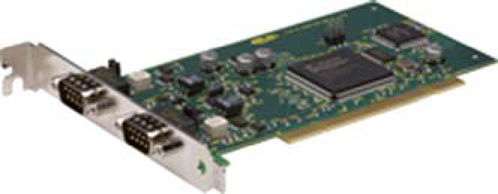
CAN Card Interface
Copley's new smart Model CAN-PCI-02 CAN provides an interface between Copley's distributed motion control software and the firm's CANopen servo and stepper drives. The card provides a seamless solution for CANopen system evaluation. The card facilitates plug-and-play CANopen operation (under control of Copley's CML and CMO software) for Copley's Xenus and Accelnet servo amplifiers and the Stepnet stepper drivers.
For more information, visit http://www.copleycontrols.com, or e-mail
CyBio
CyBi-DiluS pro Eight-Channel Pipetting System
CyBi-DiluS
pro
is the new eight-channel pipetting system from CyBio that offers easy and efficient access to automated pipetting for small and mid-sized laboratories. Daily pipetting routines, such as serial dilutions, plate reformatting and replication, reagent distribution, complete assays, and more, are fast and easy to set up using CyBio Control software. The CyBi-DiluS
pro
guarantees high precision and reproducible performance.
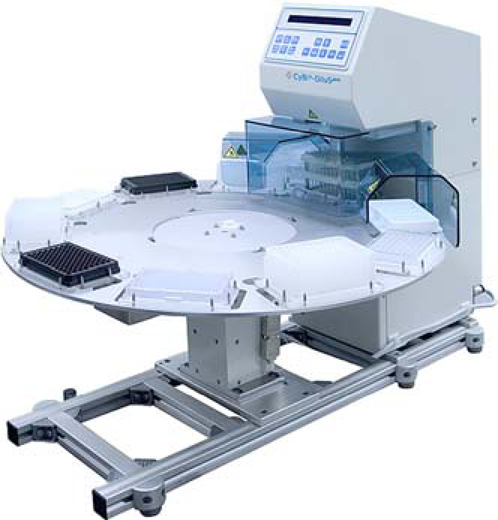
By using a variety of different plate and tip formats, (e.g., 96- or 384-well microplates and three different tip volumes), new features of CyBi-DiluS pro offer users a high flexibility and multipurpose instrument with large dynamic volume ranging from 0.5 to 250 μl. CyBi-DiluS pro is available in either a four- or five-place linear system, or a 10-position circular disc system. The CyBi-DiluS pro can also be integrated into a number of complex assay platforms.
For more information, visit http://www.cybio-ag.com, e-mail
CyBi-RoboSpense
According to CyBio, its new liquid-handling platform— CyBi-RoboSpense—is a flexible pipetting system equipped with four or eight variable span pipetting channels. The instrument can address almost any type of sample tubes and plate formats. An optional gripper adds plate transport capabilities within the deck and to neighboring modules. Thus, direct interaction with readers, HPLC/MS, or additional pipetting devices can be realized.

The CyBi-RoboSpense is designed for highest on-deck modularity and ease of integration, and the system can be easily adapted to individual process demands. Its capabilities have been demonstrated to perform complex sample preparation and purification routines such as tryptic digest and magnetic bead separation and can be of great value in many more applications, such as ADME/Tox and molecular biology.
For more information, visit http://www.cybio-ag.com, e-mail
Datalogic
Matrix MP Area Imaging Reader
Matrix MP is an area imaging reader designed to read all 96 barcoded vials, is a microplate rack in a single image acquisition. The decoded data from the bottom of each vial is then delivered to the user via serial (RS232 or RS485) or Ethernet communications. The vial location within the microplate rack also is identified and communicated along with the location of any empty vial slots.
This fully integrated reader combines an LED lighting system, image capturing, decoding, and communication interface in a single compact product. Matrix MP offers full programmability via Ethernet, an Autolearning function for quick installation and set-up without a PC, higher dynamic reading performance, and direct part marking decoding capabilities.
Besides the VisiSet software configuration, Matrix MP Ethernet connectivity also includes several communication channels, such as TCP/IP socket for data and image transfer, HTTP server, FTP, and mail client.
For more information, visit http://www.datalogic.com.
EH&E
EH&E—LabSupport
EH&E now offers an environmental health and safety compliance support site specifically designed for companies containing laboratory space. The site helps reduce risk through better compliance management and direct access to industry experts.
According to EH&E, its eH&E—LabSupport provides a complete outline of a comprehensive compliance management program, and includes tools, databases, and document templates to facilitate easy program development and maintenance. Lab-focused Web training programs are available to minimize classroom training requirements, and eH&E—LabSupport provides direct access to EH&E's experienced team of EH&S professionals and engineers.
For more information, including a free white paper that details the solution (entitled “Environmental Health and Safety Compliance in Laboratory Operations: Common Deficiencies Encountered During Audits”), visit http://www.eheinc.com/labaudit.htm.
ESA Biosciences
Corona Plus
The Corona Plus is a new version of ESA Bioscience's award-winning Charged Aerosol HPLC detector, BioStat. The new Corona Plus is an optimized HPLC detection tool for laboratories that commonly use THF (tetrahydrofuran) as a mobile phase component in their chromatographic separations and sample analyses. In addition, what it considers to be excellent nanogram level sensitivity, the Corona Plus is said to show consistent interanalyte response independent of chemical structure, enabling quantitation across a range that exceeds four orders of magnitude. This first, real universal detector can also effectively analyze a wide diversity of chemical structures and classes.

For more information, visit http://www.esainc.com.
Corona CAD and Coulochem III HPLC Interface with Agilent ChemStation
ESA Biosciences’ Corona CAD and Coulochem III HPLC detectors now can be interfaced with the Agilent ChemStation through a standard USB interface. This new interface allows for control and direct digital data acquisition of ESA's most popular HPLC detectors in the ChemStation environment.
For more information, visit http://www.esainc.com.
Exeter Analytical
CHN Win-Win Scheme
Users who estimate their annual usage of consumables can receive and keep a 6-month supply at their facilities for convenient and immediate use on a pay-as-you-go basis. Each month, Exeter CHN Win-Win scheme customers report their consumables usage, and in turn, Exeter issues an invoice.

For more information, visit http://www.exeteranalytical.co.uk, e-mail
Genevac
Application Report: Library Maintenance for the Smaller Pharma
A new customer application report from Genevac discusses the role of a high-performance centrifugal evaporator in the preparation of dry films that address the sample integrity and physical storage problems associated with compound library maintenance. Smaller pharmaceutical companies often do not have at their disposal the dedicated automated compound handling facilities that enable avoidance of the problems encountered when storing samples in DMSO. The report describes a new high-throughput process to produce compound libraries as dry films that have been validated for long-term storage.

The applications illustrate how compounds are solubilized, reformatted from 96- to 384-well plates, and then dried down using a Genevac DD-4 centrifugal evaporator for storage at room temperature. The high capacity of the Model DD-4X is shown to facilitate rapid sample-safe evaporation of sixteen 384-well plates to dryness in only 25 min at 40 °C. The described dry film methodology reduces the time for compound preparation and produces enough assay ready sets of dry film plates for at least 10 screens.
For more information and a copy of the report, visit http://www.genevac.co.uk/librarymaintenance, e-mail
miVac DNA Concentrator
This new optimized concentrator for safe and productive preparation of DNA samples is part of Genevac's miVac range of centrifugal concentrators for molecular biology applications. It offers digital control of concentrator temperature and short concentration times, reducing the risk of heat damage to samples. Unlike centrifugal filters, the miVac DNA concentrates effortlessly and returns 100% of samples every time, and with no consumable costs. The design has no motor and is therefore very quiet running. Simple “select & set” single control knob enables even new users to obtain excellent results. To facilitate full experimental flexibility, the miVac DNA also allows advanced users to access special operational modes to speed up concentration of water or water/alcohol mixtures.
For more information, visit http://www.mivac.co.uk.
EZ-2 Personal Evaporator
The new second-generation EZ-2 personal evaporator from Genevac extends the performance, operational versatility, and ease of use of its predecessor. The EZ-2 can evaporate solvents in typically half the time of traditional evaporator designs, and users can see solvents as they collect in the trap. Emptying the collection vessel is simple, requiring no defrosting.
The EZ-2 is designed to concentrate or completely dry samples. The system will accommodate a wide selection of sample holders, enabling evaporation from most common sample container formats including round-bottom flasks up to 500 ml, tubes up to 160 mm long, custom reaction blocks, and shallow- or deep-well microplates. For users switching compound generation programs from serial chemistry to parallel synthesis, the EZ-2 can take tubes, flasks, and vials directly from the synthesis process, eliminating a manual handling step, increasing recoveries, and removing chances for cross contamination.
Requiring no peripherals for operation, the compact EZ-2 fits neatly onto a laboratory bench or into a fume hood. All key components are user serviceable.
For more information, visit http://www.genevac.com.
Model HT-4X Centrifugal Evaporator
Genevac reports that new technology on its Model HT-4X centrifugal evaporator enables the system to accelerate lyophilization of water and water mixtures by as much as 300%.
Lyophilization traditionally is a lengthy multistage process, based upon sublimation, which extracts the water from pharmaceuticals, foods, and natural products so that the products remain stable and are easier to store at room temperature. The new Lyospeed process, developed by Genevac, combines the company's high-performance centrifugal evaporation technology with sample lyophilization to deliver a major advance in preparing heat sensitive samples from aqueous solution. Drawing upon Genevac's proprietary SampleGuard and Dri-Pure technology, the HT-4X is able to protect samples that would bump in a traditional freeze drier.
For more information, visit http://www.genevac.com.
Guava Technologies
Express Cell Surface Antibody Reagents
Express Cell Surface Antibodies, a new line of antibody reagents is designed to identify subsets of hematopoetic-derived cells by their patterns of protein expression. According to Guava, these antibody reagents are specifically pretested and preoptimized for use with cytometry systems, and enable analysis of the functional responses of one cell type in a mixed population of cells, such as whole blood. Guava considers the new reagents to be ideal for automated sampling in 96-well plates, saving time and reducing sample size.

Guava's Express Cell Surface Antibodies are a line of monoclonal antibodies specific for proteins on human hematopoetic-derived blood cells. Guava's antibodies are offered as direct conjugates to one of three different fluorescent dyes, eliminating the need for secondary staining and wash steps in the staining protocol. Developed for use with Guava's microcapillary cytometry systems, the new antibodies are available in concentrations that eliminate extra dilution steps associated with other antibodies.
For more information, visit http://www.guavatechnologies.com/main/products/expressantibodies.cfm.
Hudson Control Group
Nano25 Nano-Volume Robotic Pipettor
The eight-channel Nano25 Nano-Volume Robotic Pipettor uses adaptive control and real-time feedback for accurate, low-volume delivery of liquids across a range of 25 nL to 10 μL. Compatible with 96-, 384-, and, 1536-well plate formats, it also can be used for spotting arrays in microplates or on other formats.
The Nano25 uses a closed-loop pressure-based feedback system that facilitates on-the-fly adjustments to compensate for variations like temperature, viscosity, and residual volume that can compromise performance at low volumes. Other features include flow sensors within each channel and built-in temperature sensors.
For more information, visit http://www.hudsoncontrol.com.
ProLink Express
According to Hudson Control Group, its ProLink Express is the first fully automated proteomics workcell to integrate all plate delivery and transfer operations together with automated data tracking from initial bacterial colony picking through final protein expression and measurement. The system is currently in use by the USDA in a groundbreaking research project to create new genes that will convert the substances in agricultural waste into ethanol.
The ProLink Express links all the components needed for DNA expression of gene libraries. It enables automated gene expression for functional genomics, gene improvements, and any other type of genomic research involving bacterial cultures, DNA prep, and protein expression. The ProLink Express can be used in gene sequencing studies, forensic testing, cell toxicity studies, and most ELISA assays, and can provide significant benefits in the areas of proteomics, toxicology, antibody production, gene assembly, molecular biology, and biomarker discovery. The system is powered by Hudson Control Group's SoftLinx scheduling software.
For more information, visit http://www.hudsoncontrolgroup.com.
IDBS
BioBook
The BioBook from IDBS is designed to meet the specific needs of research biology. In a single secure environment, BioBook allows users to manage the entire lifecycle of complex biological experiments and studies. From set-up and data capture, through analysis and graphing, to report creation, sign-off and publication, all data can be easily and securely recorded in a 21 CFR Part 11 compliant environment.
By reducing the number of disparate systems, such as paper lab notebooks and data visualization and statistical analysis applications, BioBook can enhance productivity, reduce data transcription errors, and protect corporate IP. BioBook is part of the IDBS E-WorkBook suite of applications.
For more information, visit http://www.idbs.com.
MagStar Technologies
Quickdraw Conveyor System
The new Quickdraw Conveyor System from MagStar Technologies is for cleanroom applications, and is half the size of competing conveyors. The compact design offers flexibility in tight spaces, and can be configured to complete any desired layout. The new Quickdraw Conveyor features patentpending clean roller technology intended to eliminate the need to service or replace costly belts. Controls are built into the rail for convenient access, and the control system is self-contained to eliminate the need for a complicated PC for set-up or operation.

For more information, visit http://www.magstar.com.
Matrix Technologies
Hydra eDrop Dispenser
A single channel, noncontact nanoliter dispense system is now available for the Hydra II line of automated pipettors. According to Matrix Technologies, when coupled with the 96- or 384-channel positive displacement pipetting capabilities of the Hydra II, the single-channel eDrop dispenser is the ideal solution for forensic genotyping, low-volume PCR in 96 and 384 formats, preparing protein crystallography plates, and serial dispenses for dose–response curves. The unique design on the eDrop can reduce sample waste to a few microliters, whereas reducing total assay volume by dispensing as little as 100 nL in 1 nL increments with no well-to-well cross contamination.

For more information, visit http://www.matrixtechcorp.com or call 800.345.0206.
Millipore
ProSep Affinity Chromatography Media and Vantage L Chromatography Columns
New ProSep affinity chromatography media and Vantage L chromatography columns for use in laboratory research applications are now available from Millipore. According to the company, these products, which have been known for use in large-scale production applications, are equally valuable in smaller scale applications. Millipore also offers easy-to-use Montage Antibody Purification Kits, which include ready-to-use Montage Spin Columns prepacked with either ProSep-A or ProSep-G media plugs for antibody purification processing by centrifugation.

For more information, visit http://www.millipore.com/bioscience, or call 800.MILLIPORE or +1.781.533.6000.
Norgren Systems
CP7200 Colony Picker
The new CP7200 Colony Picker from Norgren Systems, a division of Appalachian Electronic Instruments, offers high-speed picking, ease of use, and ultimate reliability for under $100K. According to Norgren, the CP7200 features ultrafast picking rates of up to 7200 colonies per hour, advanced imaging software that makes it easy to go from plate to plate and even run to run without timely recalibration efforts, and a footprint of 22 in. ×20 in. to optimize lab space.
The CP7200 was designed for maximum reliability and minimal downtime, using a continuous picking configuration that provides simultaneous picking, inoculation, washing, and sterilization. In addition, users can change individual tungsten needles on the picking turret as necessary without removing the entire head.
The CP7200 has been optimized to provide the most accurate and precise picking rates. Users typically report a no grow rate of <1% with greater than 90% of pickable colonies identified by the software and picked by the system.
For more information, visit http://www.norgrensystems.com.
Porvair Sciences
p3 Protein Precipitation Filtration Plate
p3 Protein Precipitation Filtration plate from Porvair Sciences is now available in the United States. Based on the Microlute design, the p3 can enable researchers to process 96 protein precipitation experiments simultaneously resulting in increased sample throughput. Incorporating a novel treated frit matrix, the p3 eliminates wetting-out and leaking of sample through the plate without complex valve systems. The novel treated frit matrix also maintains high flow rates to enable quick sample preparation times.
For more information, visit http://www.porvair-sciences.com, e-mail
Thermal Cycler Plates
Porvair Sciences’ 96- and 384-well Thermal cycler plates, which can reduce the cost of polymerase chain reaction analysis without compromising performance, are now available in bulk packs of 50 individually wrapped plates.
For more information, visit http://www.porvair-sciences.com, e-mail
Protedyne
Radius Robotic System
According to Protedyne, its new Radius robotic system is a sophisticated benchtop automation platform, designed with a radial arm to provide the highest level of flexibility. Radius is built using the principles of industrial design, ensuring rugged reliability, superior speed, and unmatched precision. Radius can easily and quickly accommodate a variety of applications in diagnostic testing as well as biotech and pharmaceutical research.
Designed to be compact, Radius is driven by a patentpending inverted SCARA robot to allow for the most useable workspace on deck. This robot also can reach outside its frame, offering greater device integration options. While modest in size, Radius retains the essential components of robust industrial automation and uses the company's interchangeable SmartTools. The robot can automatically pick up the correct tool on the fly, without user intervention.
For more information, visit http://www.protedyne.com, or call +1 860.683.1860.
Roche Diagnostics
Cobas 6000 Analyzer Series
Roche Diagnostics has received U.S. Food and Drug Administration (FDA) clearance on its next generation of analyzers, the cobas 6000 analyzer series. According to Roche, this analyzer offers integrated clinical chemistry (cobas c 501 analyzer) and immunoassay (cobas e 601 analyzer) testing platforms as well as a small footprint and an easy-to-use interface.
Roche considers this new series to be a single solution for mid-volume labs that can link preanalytics, analytics, and connectivity options. This new analyzer was developed with these facilities in mind, combining chemistry and immunoassay tests with reliability and ease of use. In addition, the cobas 6000 analyzer series offers seven different configuration options, so that it can adapt to changing needs.
The cobas 6000 analyzer series delivers approximately 95% of a lab's typical testing mix of more than 130 assays, including substrates, enzymes, electrolytes, therapy drug monitoring, drugs of abuse testing, proteins, cardiac markers, thyroid, tumor markers, bone markers, fertility, anemia, diabetes, and proteins.
This integrated, broad menu streamlines workflow processes and efficiency, running a throughput of up to 1170 tests, per hour including a STAT interruption mode, which prioritizes STAT racks to be sampled within 60 s. The cobas 6000 analyzer series can accommodate front-end automation with the Modular Pre-Analytics system, eliminating off-line sample preparation, and reducing the potential for human error. Also available is Middleware Solutions, which connects existing laboratory information systems to the cobas 6000 analyzer series.
For more information, visit http://www.roche.com.
Elecsys Prolactin II Assay
The new Elecsys Prolactin II assay from Roche Diagnostics is for the in vitro quantitative determination of Prolactin, a hormone produced by the anterior pituitary gland, in human serum and plasma. The enhanced Prolactin II assay provides laboratories with an additional benchmark for macroprolactin recognition by using new antibodies with very low activity against most forms of macroprolactin. The target organ for Prolactin is the mammary gland, the development and differentiation of which is promoted by the hormone.
For more information, visit http://www.roche.com.
ACB Test for IMA
The Inverness Medical Innovations Albumin Cobalt Binding (ACB) test for the detection of Ischemia Modified Albumin (IMA) is now available on the Roche COBAS Integra 700 and COBAS Integra 800 chemistry analyzer systems. The test was FDA cleared in December 2005, and is the first fully automated diagnostic test for IMA.
In July 2005, Inverness announced that its subsidiary, Wampole Laboratories, had signed an agreement with Roche Diagnostics to co-market the IMA test on Roche's Integra chemistry analyzers.
For more information, visit http://www.roche.com.
Stäubli Robotics and Hahn Automation
MasterCell
This fully automated, modular cell system from Stäubli Robotics and Hahn Automation is configured with a Stäubli TX90 robot. It is a fully automated production system that can be loaded by the robot when connected to a part transfer system. The TX90 robot's compact design, high speed, and precise motions are considered to be ideally suited for working within this small enclosure. In addition, the robot offers a high degree of flexibility by being able to perform multiple tasks that can reduce part handling time and the need for additional stations. At the brains of the cell is the Stäubli CS8C control system, which is a PC-based control platform with a soft PLC built-in function allowing for a central common control of the robot and single or multiple MasterCell stations.
The modular design and expandability of the MasterCell is designed to enable manufacturing companies to grow with part volume without significant cost or time for expansion, thereby allowing them to increase their competitiveness and ensure growth by maximizing throughput.
For more information, visit http://www.staublirobotics.com.
Syngene
IEF-SYS for 2D Gels
Syngene now offers a new range of integrated proteomics products designed for users who want rapid, accurate results when producing, imaging, and analyzing 2D gels. For generating precisely focused 2D protein gels, the new IEF-SYS a one-tank system designed to save time by allowing users to run 2D gels with both immobilized pH gradient strips and precast acrylamide gels.

Scientists can then generate accurate images of their 2D gels using either Syngene's ProteomeScan scanner or Dyversity, Syngene's CCD-based imager. ProteomeScan features the ability to switch between transmittance and reflectance modes to rapidly produce images of up to 12,800 × 12,800-dpi resolution. Dyversity comes complete with a high-quality 16-bit CCD camera in a computer-controlled darkroom, and can be fitted with filters for imaging all commercially available dyes including Cy dyes. The system guarantees imaging results that are comparable in accuracy to most laser-based scanners.
For the next stage in the proteomics workflow, users can automatically transfer the results generated by ProteomeScan and Dyversity into Dymension, Syngene's 2D image analysis software.
For more information, visit http://www.syngene.com.
Syrris
New Lara CLR Features for Crystal Morphology
A series of new features that Syrris says will benefit pharmaceutical companies studying crystal morphology is now available for its Radleys Lara Controlled Laboratory Reactor (CLR) system.
According to Syrris, a new split-jacketed reaction vessel option offers several advantages. By stopping the flow of thermal fluid through the top half of the reactor, the split-jacketed jacket maintains a cooler internal surface than traditional reactor vessel designs. This technological advance reduces the incidence of crystalline deposits baking onto the inside of the vessel, above the surface of the liquid, improving yields and cutting down on time lost in cleaning between reactions. In addition, the split-jacket design lends itself to facilitate in-process monitoring of crystals. A split-jacket can be fabricated to provide a single wall viewing area between the upper and lower jacketed areas. This area can then be used to locate a video camera or microscope to view the formation of crystals within the vessel.
A new V4 zero dead space stopcock is designed to enable quick, easy, and safe removal, the new valve eliminates the cleaning and removal problems associated with traditional stopcock designs. Its zero dead volume format ensures that all the vessel contents are stirred and heated/cooled evenly. The valve, available in 15 or 25 mm nominal bore to suit different vessel sizes, is manually operated to open for sampling or removal of contents. Constructed from borosilicate glass, PTFE and FEP encapsulated silicone the new V4 valve offers high chemical resistance and operates over the temperature range –50 to +200 °C. For more demanding applications, optional high performance o-ring materials are available.
For more information, visit http://www.lara-clr.com, e-mail
Thermo Electron
Sorvall WX Ultra Series of Floor Standing Centrifuges
The new Sorvall WX Ultra Series of floor standing centrifuges are available in 80k, 90k and 100k rpm models. According to Thermo Electron, these new ultracentrifuges combine technology and simple operation in a compact design for cell and molecular biology, genomic, and proteomic applications. The small footprint, reduced deck height, and quiet operation make these advanced centrifuges ideal for direct placement in the lab, while compatibility with the majority of popular ultrarotors makes the Sorvall WX Ultra Series cost-effective and easy to integrate.
Based on Thermo's Sorvall centrifuge platform, the powerful Sorvall WX Ultra Series centrifuges can generate RCFs up to 802,010 × g. An intuitive, color touch-screen interface enables straightforward protocol setup and storage. Safety and time-management are significantly improved through a series of new features, such as rotor life management, run scheduling, automatic rpm/rcf conversion, step-mode operation, and delayed start/stop functions. In addition, standalone run-simulation software can reduce time-consuming practice runs.
For more information, visit http://www.thermo.com/centrifuge.
SPE Product Enhancements
According to Thermo Electron, its enhanced SPE product offering now enables rapid, effective, and economical sample cleanup prior to HPLC and GC analyses, thereby improving resolution and sensitivity, extending column lifetime and avoiding costly instrument downtime. Thermo's expanded SPE consumables range now features 11 phases in the HyperSep line, suitable for a wide range of applications and sample volumes in the pharmaceutical, environmental, biochemical, chemical, and food and beverage industries.
For more information, visit http://www.thermo.com/columns, e-mail
FT-IR Spectral Interpretation Courses
Thermo Electron has designed an in-depth, 4-day training course on FT-IR Spectral Interpretation that it says provides complete instruction and allows hands-on experience regarding the interpretation of mid-infrared spectra of prevalent classifications. New course materials, such as animated presentations and a molecular modeling kit ensure concepts are easy to grasp, while a revised course book proves a comprehensive reference source for all who attend. The curriculum is targeted to laboratory technicians who work in various industry segments including the pharmaceutical, drug discovery, forensic, and petrochemical industries. The course is offered through December 2006 at Thermo's dedicated training facilities in West Palm Beach, FL; Madison, WI; and San Francisco, CA.
For more information, visit http://www.thermo.com/ftircourse.
Antaris Target Blend Analyzer
The Antaris Target Blend Analyzer is a new addition to Thermo Electron's portfolio of Antaris near-infrared (NIR) analyzers. According to Thermo, it is the most reliable and fit-for-purpose blend measurement solution available, dedicated to the real-time analysis of pharmaceutical blending processes. Offering a new spectroscopic analysis technology designed specifically for the control of blend uniformity in real time, this novel analyzer was developed from the ground up in partnership with one of the world's leading global pharmaceutical companies.
Using MEMS technology, Thermo believes its Antaris Target achieves best-of-class performance, repeatability, and reliability for formulation development, process development, and production scale use in solid dosage form manufacturing. The analyzer provides the potential to improve consistency and yields in pharmaceutical tablet manufacturing lines through real-time measurement, eliminating the need for thieving and laboratory testing. Thermo's new Antaris Target Series analyzers are equipped with the RESULT software platform for process analysis and measurement automation and the ValPro regulatory qualification package. The Antaris Target Series shares a software, qualification, and data platform with the complete line of Antaris II, Antaris MX, and EX near-infrared process analyzers.
For more information, visit http://www.thermo.com/nir, e-mail
OMNIC Professional Software Suite V7.3
According to Thermo Electron, this new software release expands capabilities for its FT-IR, Raman, and FT-NIR spectrometers. OMNIC 7.3 software provides new time-based experiment features, Raman productivity tools, enhanced data transferability, additional capabilities for regulatory compliance, and compatibility with Thermo's dedicated FT-NIR systems.
OMNIC Series software for time-based experiments has been enhanced with new 2D and 3D data visualization tools, programmable data collection events, and integrated data processing and analysis functions, such as a new one-click spectral search feature, that enable users to more rapidly and accurately extract results from their experiments. This software is considered especially useful for hyphenated techniques such as TGA-IR and GC-IR, or conducting kinetics and rapid-scan experiments using FT-IR or Raman spectrometers.
For more information, visit http://www.thermo.com/omnic, e-mail
SampleManager 9.0 User Interface and Architecture Enhancements
SampleManager LIMS has adopted the Microsoft.NET framework while continuing to support existing customers’ custom code written in the VGL language. According to Thermo, SampleManager now offers a modernized user interface modeled on the familiar and easy-to-use Microsoft template with drag-and-drop and menu/tree functionality. When users select data sets, the new, inductive interface simplifies work by presenting only certain, predefined tasks or steps that can be followed—greatly reducing errors and saving time. With Microsoft .NET architecture, Thermo's plans for SampleManager include building application-specific functionality for industrial labs so that users in the petrochemical, chemical, and other process industries will find more of the functionality they require in the base system, and not have to customize the LIMS to meet their needs. This commercial-off-the-shelf (COTS) approach is designed to significantly reduce the risks and costs associated with customized implementations, maintenance and upgrades, and, for regulated industries, the cost of validating the system.
For more information, visit http://www.thermo.com.
EGM II Gas Introduction Module
The new EGM II gas introduction module from Thermo Electron is designed to enable the safe and reproducible introduction of gas and liquified gas samples. The module achieves enhanced accuracy of Total Chlorine, Total Sulfur, and Total Nitrogen analyses. The new user-friendly, multielement EGM II switches from gas to liquified gas at the flick of a switch without the need for tools, while the complete calibration range can be set up using just one calibration gas and a semiautomatic multiple injection sequence. According to Thermo, this novel analytical solution allows laboratories to save time, reduce costs, and increase safety and is specifically suited to the needs of QC laboratories in petrochemical and chemical refineries for fast, precise, and reliable results.

For more information, visit http://www.thermo.com/elemental, e-mail
Surveyor Plus Refractive Index and Surveyor Plus Fluorescence Detectors
The new Surveyor Plus Refractive Index and Surveyor Plus Fluorescence detectors from Thermo Electron are designed to enhance chromatographers’ analytical capabilities when integrated with the Finnigan Surveyor Plus HPLC product line. As a result, both of these highly sensitive, low maintenance detectors can enable chromatographers to run a greater variety of applications with one complete system.

According to Thermo, the Surveyor Plus Refractive Index Detector is ideal for detecting compounds lacking chromaphores such as alcohols, fatty acids, and esters. The Surveyor Plus Fluorescence Detector monitors the emissions of fluorescence, phosphorescence, and chemiluminescence, and also analyzes polyaromatic hydrocarbons (PAHs), derivatized amino acids, carbamates, and glyphosates.
For more information, visit http://www.thermo.com/lc, e-mail
Si and Mi AA Spectrometers
Thermo Electron now offers a significant extension to its AA Series portfolio with its new Si and Mi Atomic Absorption (AA) spectrometers. According to Thermo, these new instruments incorporate unique, intelligent Spectrometer Qualification (iSQ), which can automatically test and confirm the spectrometer's hardware performance prior to any analytical run. Thermo's new Si and Mi AA spectrometers not only reduce the chances of having to rerun samples, but also increase confidence in the quality and validity of the analytical data produced. Benefiting from a preprogrammable wake-up option, the iSQ software allows the tests to be carried out even before the operator arrives in the lab.

For more information, visit http://www.thermo.com/elemental, e-mail
QuickQuan Software
Thermo Electron's new QuickQuan Software is for automating high-throughput LC-MS/MS assays in early drug discovery. The combination of QuickQuan's rapid compound tune and optimization time with Thermo's Finnigan TSQ Quantum triple quadrupole mass spectrometer is considered by Thermo to be the key to automatically assessing new chemical entities (NCEs) in early drug development assays such as metabolic stability.
For more information, visit http://www.thermo.com/ms, e-mail
THK America
Actuator Type GL-N
According to THK America, its new Actuator Type GL-N offers newly engineered enhancements for the best of all actuator features with the unique benefits of Caged Technology in one actuator. The new GL-N actuator is proven rigid, precise, available for quick delivery, and also is an upgrade and direct replacement to the original Type GL.
It uses two-caged ball-type LM guides (the Type SSR and the Type SHS). This new design results in load capacities 200% greater than that of THK's original Type GL. And, without metal-to-metal contact, the Type GL-N can reach speeds up to two times faster than conventional types (at 5 m/s, and accelerations over 5 Gs). Caged Technology noise levels are reduced by up to 15 dBA. Other Type GL-N benefits from Caged Technology include life cycle increases of eight times as well as smooth and precise movement. THK's Caged Technology uses a synthetic resin cage with a patented curvature that cradles each ball and separates it from the next. The spaces between the rolling elements retain grease and act as a lubrication system for long-term, maintenance-free operation.
For more information, visit http://www.thk.com, e-mail
Ultrasonic Scientific
Technical Poster: HR-US Technology for Real-Time Monitoring of Enzyme-Catalyzed Reactions
In the new presentation, Ultrasonic Scientific demonstrates the use of its range of HR-US spectrometers and their accompanying accessories to conduct a series of analyses for different enzymecatalyzed reactions monitoring applications. The applications demonstrated in the poster include hydrolysis of Z-GLGGA peptide by proteinase K; proteolysis of BSA; hydrolysis of casein by proteinase K; HR-US measurements in rennet milk; hydrolysis of cellulose; hydrolysis of maltodextrin; detection of glucose content in blood; and hydrolysis of peroxide by catalase.
For more information and a copy of the technical poster, visit http://www.ultrasonic-scientific.com, e-mail
Technical Poster: HR-US Titration Analysis to Monitoring Ligand Binding
A new technical poster discussing the use of HR-US titration analysis to monitor ligand binding for material analysis is available from Ultrasonic Scientific. This novel technique is capable of analyzing molecular bindings with or without minimum sample preparation in both dilute and concentrated samples as well as in the original sample without immobilization and dilution. It is extremely sensitive, nondestructive, can be used in nontransparent dispersions, and requires small sample volumes down to 0.04 mL.
For more information and a copy of the poster, visit http://www.ultrasonic-scientific.com, e-mail
Technical Poster: HR-US Technology for Crystallization Monitoring and Material Analysis
A new technical poster demonstrating the use of HR-US technology to monitor crystallization for material analysis is available from Ultrasonic Scientific. HR-US is a powerful tool for the analysis of the pattern crystallization in a wide range of samples from homogeneous media to complex colloidal systems. It allows the measurement of the onset of crystallization, freezing point depletion, volume fraction of solids, crystallization rate, microcrystal size, and the detection of post-crystallization transitions.
In the new poster, Ultrasonic Scientific demonstrates the use of its HR-US 102 spectrometer to conduct a series of analyses, and the unique capabilities of HR-US for monitoring of crystallization. Five different applications for the monitoring of crystallization are demonstrated in this poster.
The applications demonstrated in the poster include setting of gypsum plaster; comparison of crystallization pattern of palm-based fats; effect of emulsifier on crystallization of vegetable fat; crystallization of lysozyme; and crystallization of emulsion droplets.
For more information and a copy of the poster, visit http://www.ultrasonic-scientific.com, e-mail
Velocity 11
Technical Poster: Creating a Flexible Automation Platform for Plate Replication and Cell-Based Screening
A new technical poster describing the challenges overcome and advantages gained from the development of a flexible automation platform for plate replication and cell-based screening for a major global pharmaceutical company is now available from Velocity 11.
Many pharmaceutical screening groups maintain vast compound libraries to generate high-quality hits and lead optimization information for further investigation as potential drug candidates. These groups must rapidly and efficiently identify the compounds that offer the best potential to be effective lifesaving drugs. This can only be accomplished by combining computational, automation, and screening techniques to rapidly mine through the large chemical libraries and ever-increasing number of targets to find the best match.
This new poster describes how a pharmaceutical company collaborated with Velocity11 to design and build a fully automated system, based upon the BioCel platform, that could grow with changing technology and assay types, offer the ability to run unattended with throughputs from 300,000 to over 1,000,000 wells per day, and perform cell-based screening in 1536-well plates. This advancement has enabled the company to streamline its procedure for source plate replication in the preparation for high-throughput screening. Through the extensive hardware and software development accomplished by this project, the high-throughput screening process also has become more automated and integrated with the in-house LIMS system. As a result, the automation system has been integrated with processes, databases, and software already in place.
For more information and a copy of the poster, e-mail
New Configuration for BioCel
A new configuration of Velocity 11's BioCel Sample-Processing platform can automate DNA Purification and Sequencing procedures. The new BioCel configuration addresses the long and complex pipetting protocols typically required for DNA sample preparation by using an automation system built around its VPrep high-speed precision pipetting technology. The VPrep's versatile shelf configuration options are ideally suited for complex pipetting sequences, while at the same time, they can achieve very high throughput.

Using three VPrep pipettors, the source plate with DNA is split into two copies. The copied DNA is purified using magnetic beads, ethanol washing steps, and magnetic nesting pads. The system then automatically adds primer cocktail to the plates, which are then centrifuged, sealed, and stored in an incubator at 4°C.
The system can process up to 200 plates unattended in 4 h, using the high speed of the BioCel combined with its powerful dynamic scheduling software, VWorks. In addition, the automated process eliminates sources of sample contamination, and the highest possible quality of sequencing preparations is ensured.
For more information, visit http://www.velocity11.com.
Viscotek
OmniSIZE Dynamic Light Scattering Acquisition and Control Software
Purpose designed for use with the Viscotek Model 802 DLS, the new OmniSIZE 2.0 software delivers the full potential from the high resolution and signal-to-noise attainable by the Model 802 DLS singlemode fiber technology. OmniSIZE 2.0 includes a new high-resolution size distribution algorithm with unique “L-curve” optimization. To enhance the precision of measurements, the new software release continuously monitors sample scattering intensity and temperature.

Built for use by both light scattering experts and first time users, OmniSIZE 2.0 combines powerful operational versatility with ease of use. New features of the software include rapid experimental setup, automated data filtering, multiple experiment overlays, and an automated data acquisition utility that includes temperature profiling.
For more information, visit http://www.viscotek.com, e-mail
Wyatt Technology
miniDAWN TREOS
The new miniDAWN TREOS Multiangle Light Scattering (MALS) Detector from Wyatt Technology represents a major advancement in the sensitivity and dynamic range in the measurement of MALS for small molecules, says the company. It has over twice the signal-to-noise ratio and 100× the dynamic range of the previous generation of Wyatt's miniDAWN instruments, allowing the measurement of smaller molecules at lower concentrations than ever before.
Each analog signal (one for each of the three angles) is processed by its own Digital Signal Processing (DSP) integrated circuit with 24-bit digital conversion for extremely high-signal resolution. In addition, four auxiliary analog inputs (with their own DSP circuits) are available for interfacing to external detectors, such as DRI, UV, PDA, etc. It can also record the temperature, laser power, and forward monitor signal for studying samples that absorb light.
Optional features may be added such as the embedded COMET system, which automatically cleans the flow cell in situ. Just press a button or schedule cleaning as part of an ASTRA sample set. This ensures that the system produces the same high-quality data day after day, without any downtime. The embedded WyattQELS allows simultaneous online measurement of hydrodynamic radius to improve the resolution of the size distribution measurements by over an order of magnitude compared to batch QELS.
For more information, visit http://www.wyatt.com, or e-mail
Application Note: Size-Based Separation of Protein Aggregates Associated with Neurodegenerative Diseases
A recent application by the NIAID Laboratory of Persistent Viral Diseases demonstrates that Wyatt Technology's Eclipse Field Flow Fractionation (FFF) system can achieve successful size-based separation of protein aggregates associated with neurodegenerative diseases. The findings of this analysis are considered by Wyatt to be of particular interest for molecular biology, nanotechnology, and environmental analyses, and are detailed in a new, free of charge application note.
Neurodegenerative diseases such as Parkinson's, Alzheimer's, and the transmissible spongiform encephalopathies are often marked by abnormal protein deposits in the brains of afflicted individuals. Successful size-based separation of these aggregates, which can range from small protein oligomers to large amyloid fibrils, has been a challenge for traditional methods such as size exclusion chromatography (SEC), polyacrylamide gel electrophoresis (PAGE), and ultracentrifugation. In both SEC and PAGE, large aggregates may be caught up in and/or subjected to shearing forces by the stationary phase, while ultracentrifugation techniques provide relatively limited resolution.
Wyatt's Eclipse overcomes the limitations of conventional column chromatography being able to separate both soluble and colloidal components over a wide size range. Especially for proteins, the Eclipse is considered by Wyatt to be ideal because shearing forces and sample interactions with a stationary phase are completely absent. The end result is an ultrahigh resolution separation.
For this particular application, the Eclipse was used to separate a collection of prion protein aggregates, which were analyzed online by the 18-angle DAWN EOS MALS, Optilab, and WyattQELS (quasielastic light scattering) instruments to obtain weight-average molar mass (Mw), radii of gyration (rg), and hydrodynamic radii (rh). Particle shape information (ρ value) was also obtained by comparing the ratio rg/rh. The results demonstrated that the fractionated aggregates contained a wide range of Mw values (less than 105 to greater than 107 Da), rg values ranging from under 10 nm to approximately 300 nm and rh values from roughly 5 nm to more than 50 nm. Values for ρ indicated that the aggregates in the early eluting fractions were fairly compact whereas structures at the end of the elution were highly elongated.
With the ability to fractionate and characterize the molar mass, radii, and shape of a wide range of particle sizes, the Eclipse system in conjunction with MALS and QELS instruments has proven an extremely valuable tool for the study of protein aggregates associated with neurodegenerative diseases.
For more information on Wyatt Technology's FFF, MALS, and QELS instruments or to obtain a copy of this application note, visit http://www.wyatt.com, or e-mail
Zinsser Analytic
REDI for Hands-Free F-18 Labeling
The new REDI platform automates the job of manual radioactive labeling. According to Zinsser Analytic, samples are prepared in a timely manner, enabling just-in-time sample delivery for further research. The system handles solid- and solution-phase reactions. The entire reactions are carried out under nitrogen or helium, using dual channel probes for simultaneous dispensing of reagent and gas.

The REDI tool fills all solid compounds into the reactors.
For rapid heating and cooling, the system is equipped with a temperature-controlled magnetic stirrer for efficient mixing and a microwave. The microwave also can be used for pressure reactions.
Purification, liquid/liquid, and solid-phase extraction can be performed on the workbench.
For reactions, 5 ml V-Vials with a conical bottom provide total downward drainage and maximum sample retrieval via syringe or pipette. To avoid evaporation, and for work in a closed environment, the reactor vials are closed with a screw cap and are only opened when necessary, and then automatically by Zinsser's integrated capper and decapper.
All labeling is controlled by Zinsser WinLissy software and documented in an integrated database.
For more information, visit http://www.zinsserna.com, e-mail
More News
East Tennessee organizations have formed the
The boards of directors of
The
The
Roch Kelly joined
Under the terms of the agreement, Fisher shareholders will receive 2.00 shares of Thermo common stock for each share of Fisher common stock they own. Based on Thermo's closing price of $39.45 per share on May 5, 2006, this represents a value of $78.90 per Fisher share, or an aggregate equity value of $10.6 billion, not including net debt of $2.2 billion. Upon completion of the transaction, Thermo's shareholders would own approximately 39% of the combined company, and Fisher shareholders would own approximately 61%. The transaction will be treated as a reverse merger with Thermo as the acquirer.
Thermo Electron also concluded a licensing agreement with the
In addition, Thermo Electron announced a strategic collaboration agreement with
In other Thermo Electron news, the company received the Gold Editor's Award at
ALA NEWS
LabAutomation2007
Academicians, scientists, engineers, business leaders, postdocs, and graduate students with breakthroughs in laboratory technology to share are encouraged to submit abstracts for podium and poster presentations via http://labautomation.org/LA/LA07 before September 11, 2006. ALA members and nonmembers both may submit abstracts.

Full-time students, graduate students, postdocs, and junior faculty members with less than 4 years in their first academic appointments who submit abstracts may qualify for travel grants (limits apply).
LabAutomation2007 is being held from January 27 to 31, 2007, in Palm Springs, CA. For more information, visit http://labautomation.org/LA/LA07.
Journal of the Association for Laboratory Automation (JALA)
JALA publishes six peer-reviewed issues each year, and accepts manuscripts on an ongoing basis from ALA members and nonmembers. Lab automation professionals are invited to showcase their achievements by submitting method-focused scientific papers for publication consideration. Manuscript guidelines and submission information is available at http://labautomation.org/jalainstructions.php.

Correction
In the June 2006 issue of the Journal of the Association for Laboratory Automation, the article by Krishnamoorthy, Bedekar, Feng, et al. is entitled, “Need for Simulation-Based Design Analysis and Optimization” (2006;11:118–127). The article title was misprinted. The correct title is “Simulation-Based Analysis of Fluid Flow and Electrokinetic Phenomena in Microfluidic Devices.”