




Abstract

Advion
According to Advion, its TriVersa NanoMate System is the first of its kind to integrate LC/MS, fraction collection, and chip-based infusion in one platform. TriVersa gives proteomics and small-molecule researchers the ability to obtain greater than 10 times more information from their samples. The system speeds the discovery process by allowing extra time to analyze complex components not easily characterized on a chromatographic time scale.
The versatility of the system allows interrogation of samples using online LC/MS and infusion of LC fractions. The system is compatible with LC, micro, and nanoLC for low-concentration samples. In addition, TriVersa NanoMate can work with most API mass spectrometers.
For more information, visit http://www.advion.com.
Agilent Technologies
New software for the Agilent 2100 bioanalyzer includes a unique RNA Integrity Number algorithm for RNA quality control and tools for compliance with FDA rule 21 CFR Part 11. The Agilent 2100 bioanalyzer is a lab-on-chip electrophoresis and flow cytometry analysis tool used for DNA, RNA, proteins, and cells.
For more information, visit http://www.agilent.com.

Arrayjet
Arrayjet now offers a self-contained automated plate handling capability for its Aj100 microarray spotter. The new microplate stacker module, Aj020, enables handling of up to 48 microtitre plates without user intervention, and also automates lid lifting to address sample evaporation during microarray printing. The stacker can be purchased and installed on an existing Aj100 or as an integral part of a new system (designated Aj120). It is also capable of housing a refrigeration unit.
For more information, visit http://www.arrayjet.co.uk, e-mail
Barnstead Genevac
miVac DNA Concentrator

A new optimized concentrator for safe and productive preparation of DNA samples is now available from Barnstead Genevac as part of the miVac range of centrifugal concentrators for molecular biology applications.
The miVac DNA concentrator is designed to prepare DNA samples efficiently and safely. The miVac DNA offers digital control of concentrator temperature and short concentration times, reducing the risk of heat damage to samples. Unlike centrifugal filters, the miVac DNA concentrates effortlessly and returns 100% of samples every time and with no consumable costs.
For more information, visit http://www.mivac.co.uk, or call +44.1473.240000.
miVac Speed Trap
Barnstead Genevac now offers a unique design of refrigerated solvent condenser for vacuum concentrators called the miVac Speed Trap, designed to considerably improve the performance of any vacuum concentration system, not just a miVac, by condensing vapors back to liquid, helping to pull a vacuum, and speeding up the concentration process considerably.
For more information, visit http://www.mivac.co.uk, or call +44.1473.240000.
Beckman Coulter
DTX Series Multimode Detectors

Two new software packages and a verification system are now available for the Beckman Coulter DTX Series Multimode Detectors, increasing power and ease of use as well as providing tools for 21 CFR Part 11 and other regulatory compliance. The new enhancements – Multimode Analysis Software, Accounts and Permissions Software, and Multimode Check Plate – can be implemented separately or together, for a comprehensive detector solution.
The new Multimode Analysis Software supports all three DTX detection modes – fluorescence, absorbance, and luminescence – and includes a user-friendly interface for the easy setup of assay protocols for genomics, proteomics, cellular analysis, and other drug discovery research. The program provides a wide range of data analysis functions, including standard curves, data reduction, cutoff groups, and transformation formulas. Results can be quickly recalculated using different parameters without rerunning the plate, and users can also choose from a variety of data handling and output options.
For more information, visit http://www.beckmancoulter.com, call 800.742.2345 or +1.714.871.4848, or fax 800.643.4366 or +1.714.773.6611.
InPro CDI Kit for BSE Testing
Beckman Coulter's InPro CDI Kit for bovine spongiform encephalopathy (BSE) testing in cattle was approved by the European Community and is now available in Europe. The InPro CDI (Conformation-Dependent Immunoassay) test was developed at the University of California San Francisco in the laboratory of Nobel Laureate Stanley B. Prusiner, M.D., of InPro Biotechnology. It provides a highly sensitive BSE diagnostic assay that can be used in both high- and low-volume laboratories. It is offered as a manual test or can be automated on Beckman Coulter's Biomek Assay Workstation. Proprietary sample tracking software that is compatible with both the manual and automated assays is also available.
For more information, visit http://www.beckmancoulter.com/tse, call 800.742.2345 or +1.714.871.4848, or fax 800.643.4366 or +1.714.773.6611.
Vidiera NsP Nucleic Sample Preparation Platform

The new Vidiera NsP Nucleic Sample Preparation Platform from Beckman Coulter offers flexible, automated extraction and downstream reaction setup. The platform can prepare up to 96 patient samples from primary tubes in just 2.5 hours, and performs onboard quantitation and normalization and PCR reaction setup in 30 min each. Based on Beckman Coulter's proprietary primary tube handling technology and Biomek automation, this platform can replace several instruments, enabling labs to centralize preanalytical functions in one room.
For more information, visit http://www.beckmancoulter.com, call 800.742.2345 or +1.714.871.4848, or fax 800.643.4366 or +1.714.773.6611.
Brinkmann Instruments
RDT Carousel 6 Place Reaction Station
According to Brinkmann Instruments, its new RDT Carousel 6 Place reaction station is a simple, convenient way for chemists to increase the productivity of their larger scale synthesis of intermediates and building blocks and process development chemistry. Unlike expensive robotic synthesizers, the Carousel 6 Place is designed for use by individual chemists in their own fumehood. The Carousel 6 Place utilizes the same technology as the Carousel reaction station to simultaneously heat and stir up to six 50, 100, 170 or 250 ml round-bottomed flasks. An expanding range of reaction flask options extends the utility of the system to accommodate the addition of solid and liquid reagents as well as performing azeotropic distillations. The small benchtop footprint of the Carousel 6 Place means that it uses very little fume cupboard space. Operating from ambient to 180°C, with accurate temperature control to ±0.5°C, the patented design of the Carousel 6 Place ensures efficient heat transfer and refluxing. Powerful stirring and efficient mixing are provided using elliptical rare earth stirring bars.
For more information, visit http://www.brinkmann.com.
RDT Starfish

The new RDT Starfish from Brinkmann Instruments is a multiexperiment heating and stirring system priced to be affordable, and accepts most popular brands of glassware. With a choice of baseplates, the Starfish will fit on almost all leading brands of stirring hotplates.
At its simplest level, the StarFish can be used to simultaneously stir and heat a wide variety of vessel types and sizes – from small 2 ml vials to 250 ml round-bottomed flasks. Yet the same system can also be configured to perform more complex procedures including distillation, digestion, extraction, and Dean–Stark experiments.
The StarFish is available in two formats: monoblock and polyblock. In a monoblock configuration the StarFish accommodates multiple experiment wells all of the same size. As a polyblock system the Starfish can mix and match a combination of vessel styles in its arrangement of five individual segments.
For more information, visit http://www.starfishchemistry.com.
Carl Zeiss Microimaging

According to Carl Zeiss Microimaging, its new SteREO Discovery. V12 is a stereomicroscope that represents a totally new instrument concept in stereomicroscopy with many unique features designed for convenience, ease of use, and unparalleled stability and image quality. Considerably more image information can be obtained through a new optical design that offers high-contrast images with excellent color reproduction, depth of field, high resolution, and unparalleled 3D brilliance.
For more information, visit http://www.zeiss.com.
ESA Biosciences
ESA Biosciences offers a new application note that describes a methodology, based upon the company's CoulArray Electrochemical Array Detector technology, that is capable of quantifying the central level of a drug whilst simultaneously measuring its effect on central metabolism.
The central level of a drug and its effect on neurotransmitter metabolism was, until recently, normally determined in brain tissue homogenates. However, this approach suffers from a number of disadvantages including the inability to accurately examine tissue distribution, the loss of analyte compartmentalization, and the need for a large number of test animals. The electrochemical detection technique developed by ESA uses microdialysis perfusion to permit direct sampling of the brain's extracellular fluid, within the blood–brain barrier, in freely moving animals.
Based upon an HPLC with coulometric array detection method, applications data are presented using the antihypertensive drug H (1-hydrazinophthalazine) as an example of how a drug passes through the blood–brain barrier and can be measured quickly and effectively postinfusion. The data demonstrate the potential of coupling in vivo microdialysis to HPLC with coulometric array detection to enable simultaneous measurement of a drug's level and its effects on central monoamine metabolism.
For more information and a free copy of this application note, visit http://www.esainc.com, e-mail
Eskigent Technologies

Eksigent Technologies introduces the NanoLC-1D Plus liquid chromatography system for nanospray mass spec analysis, configured with a third pump for rapid sample loading and washing. Considered by Eskigent to be ideal for proteomics and biomarker discovery applications, the NanoLC-1D Plus system allows sample loading at higher flow rates for time saving and flexibility. Operation of the third pump is incorporated into the Eksigent Control Software, and all of Eksigent's NanoLC systems are integrated with Thermo Xcalibur and Applied Biosystems/MDS SCIEX Analyst mass spectrometer software.
For more information, visit http://www.eskigent.com.
Exeter Analytical
Exeter Analytical offers a technical paper describing a technique for easy, direct automated elemental analysis of material retained on filter membranes used in water filtration and air monitoring applications. The paper provides background information on standard sampling procedures, filter preparation, optimizing instrument operation, and quality assurance for laboratories seeking to precisely determine the carbon, hydrogen, and nitrogen (CHN) content of samples retained on filters. Further discussion illustrates how direct determination of total CHN retained on a filter is more sensitive, precise, and cost effective than making measurements on pre- and postfiltered samples and calculating the difference. The described technique, using an Exeter Analytical Model CE440 CHN elemental analyzer, requires a minimum of sample preparation and may be automated.
For more information, visit http://www.exeteranalytical.co.uk, e-mail
Genevac
Expanded Range of Sample Holders

Genevac has added to its range of sample holders. For users of large-format HPLC fraction collector racks, Genevac has a range of look-alike holders, which integrate with other systems and are suitable for evaporator use. These holders can withstand the g-forces involved and typically have a drying time one-quarter that of a traditional rack. In busy labs faced with processing large numbers of HPLC fractions, Genevac sample racks can eliminate manual handling of tubes between fraction collector and Genevac evaporator to improve productivity and reduce risk of misidentification and cross-contamination.
For labs involved with parallel synthesis, Genevac offers specialized holders enabling direct transfer of compounds into centrifugal evaporators from Mettler Toledo and Radleys Discovery Technology parallel synthesis systems without removing sample vessels from the reaction block. Each sample holder may be color coded and laser-engraved with a unique set of identification numbers, so that holders can be readily identified both on the parallel synthesizer and postevaporation.
For more information, visit http://www.genevac.co.uk/applications/downloads1.html. Several technical articles describing the benefits of integrating laboratory equipment with centrifugal evaporators also can be found in the “download technical articles” section of the Genevac Web site.
HT-12 Series II System

A new version of the HT-12 Series II system from Genevac offers a highly efficient and safe means of routinely removing strongly acidic chemicals from samples. The HT-12 HCl system enables chemists to evaporate high concentrations of HCl, achieving cleaner synthesis and deprotection than using other acids, such as trifluoroacetic acid.
The HT-12 HCl uses inert and corrosion-proof materials to enable high concentrations of HCl and other acid chlorides to be removed without any loss of performance or long-term deterioration in the system. These include a PTFE-coated evaporation chamber, a glass condenser with FEP tubing, and all metallic parts coming into contact with removed solvent manufactured from highly durable and acid resistant Hasteloy C2000 steel. In addition, the system is configured with Genevac's high-performance scroll pump. According to Genevac, the main advantage of this reliable pump technology is that it does not require any pumping fluid or lubricant to operate. This makes the new HT-12 HCl system ideal for use in harsh chemistry environments where corrosive or volatile solvents are frequently used.
For more information, visit http://www.genevac.com.
Genomic Solutions
Investigator ProPic II

The new Investigator ProPic II from Genomic Solutions is an instrument that combines high-quality gel imaging with the most accurate and reliable picking technology. Utilizing Genomic Solutions's benchtop microarraying platform, the 10 μm resolution XYZ picking accuracy ensures that even the most closely spaced protein features can be picked.
The Investigator ProPic II is able to acquire the highest quality gel images with line-scanning imaging technology. The imaging system ensures the detection of the lowest abundance proteins as well as the smallest protein features on gels. The CCD camera employed utilizes 16-bit technology and offers a resolution of 80 μm. In addition, the Investigator ProPic II comes with a software-controlled gel rehydration system that can be upgraded with HEPA filtration, humidification, or cooling for complete gel environmental control. According to Genomic Solutions, its Investigator ProPic II is the first platform of its type to be able to simultaneously image, analyze, and pick from two large-format 2D gels at the same time.
For more information, visit http://www.genomicsolutions.com.
Cartesian Honeybee 961

Genomic Solutions, the supplier of Cartesian liquid handling technology, now offers the Honeybee 961 for miniaturization of protein crystallization experiments using sitting drop technique. This new instrument enables walk-away automation with precise dispensing into reservoirs (100 μL) as well as shelves (as low as 100 nL) using a single system. Users can conserve protein samples by working with nanoliter volumes while maximizing chances of crystal growth. The system integrates 96-channel high-speed dispensing of precipitant with proven and patented non-contact synQUAD nanoliter dispensing technology to prepare a crystallization plate in less than 20 s. This design approach avoids cross-contamination without the cost and random errors inherent in systems requiring disposable tips.
For more information, visit http://www.genomicsolutions.com.
Guava Technologies
Guava CellPaint Assay
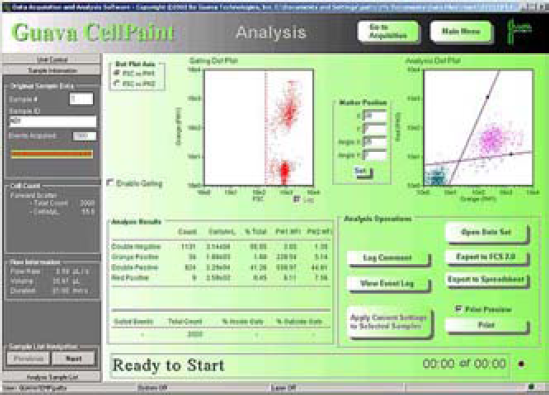
Guava Technologies offers a new turnkey assay for its suite of personal cell analysis systems designed to reduce assay development time and increase laboratory productivity. The Guava CellPaint Assay allows users to conduct mixed culture assays with the sensitivity of single-cell based methods together with the throughput (96-well option) and ease of use of a microplate reader. The assay uses a cell tracking dye optimized for use on the Guava PCA and EasyCyte systems. The Guava CellPaint Assay users can differentiate cell populations more easily than those who use traditional methods. This dye diffuses into cells and is retained without affecting cellular function. As a result, the assay can be more sensitive and specific than population-based tests, and assay development time is reduced and laboratory productivity increased compared to traditional methods.
For more information, visit http://www.guavatechnologies.com.
Guava CellGrowth Assay
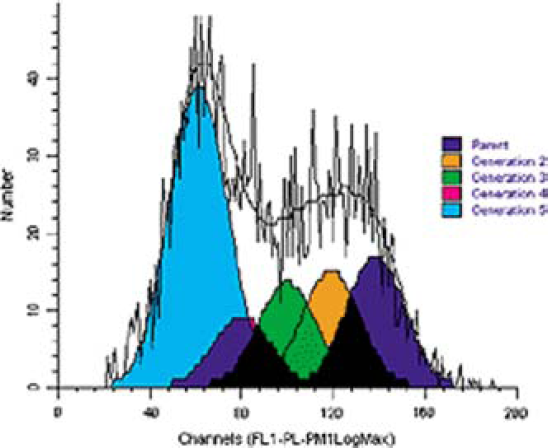
A new simple nonradioactive assay designed to improve the performance and sensitivity of cell proliferation assays compared to traditional population-based methods such as 3-Thymidine and MTT (or XTT) is now available from Guava Technologies. The Guava CellGrowth assay, when used in conjunction with the Guava EasyCyte System, provides cell proliferation analysis at the single-cell level, offering cell proliferation assessments without the use of more complex fluorescence methods out to five generations. In addition, the assay offers a broader linear range and is more quantitative when compared to colorimetric methods.
The Guava CellGrowth Assay uses a well-characterized cell tracking dye that diffuses freely into cells and is retained within the cell without affecting cellular function. The dye is not transferred to adjacent cells. The Guava CellGrowth assay uses two dyes, a cell permanent painting dye and a cell impermanent DNA binding dye, to distinguish live or dead proliferated cells from live or dead resting cells. For each round of cell division, the relative fluorescence intensity of the dye is decreased by half. The assay is considered ideal for monitoring the growth of primary cultures, such as peripheral blood mononuclear cells, activated T or B cells, peripheral blood lymphocytes, thymocytes, hematopoietic cells, splenocytes, and fibroblasts.
For more information, visit http://www.guavatechnologies.com.
Side Scanner Option for EasyCyte System
A new side scatter option is now available for the Guava EasyCyte system to make single-cell analysis with accurate cell enumeration easier and more versatile. The side scatter feature allows researchers to analyze whole blood for different types of white blood cells without having to stain or fix the cells. The granular structures in the cytoplasm of granulocytes, a type of white blood cell, cause more scattering of incident light than the more uniform cytoplasm of lymphocytes, another type of white blood cell. This makes it easier to perform a three-part differential on whole blood: assessing the percentage and number of granulocytes, monocytes, and lymphocytes in a given sample.
For more information, visit http://www.guavatechnologies.com.
Technical Poster: Monitoring Changes in Mitochondrial Membrane Potential
Guava Technologies has available a technical poster that describes and details results from a new live cell multiparameter fluorescence assay that may be used to measure mitochondrial membrane potential and apoptosis. The poster describes how the Guava MitoPotential assay, when used in conjunction with the Guava EasyCyte System, a blue laser 96-well microcapillary flow cytometry instrument, allows users to discern healthy, polarized cells from the apoptotic/depolarized and dead cells. Loss of mitochondrial membrane activity is often observed to be associated with the early stages of apoptosis. The Guava MitoPotential assay uses the fluorescent cationic dye, JC-1, and the dead cell dye, 7-AAD, for discerning apoptotic cells from dead cells. In healthy, nonapoptotic cells, the JC-1 dye enters the mitochondrial matrix, accumulates as aggregates, and stains the mitochondria bright red. In apoptotic cells, the mitochondrial membrane potential collapses, and the JC-1 enters the cytoplasm as a monomeric form where it fluoresces green. Results are automatically calculated and presented in a statistical format that is easy to interpret, with total cell counts and percentages for those cell populations that are healthy, apoptotic, or dead.
For more information and a free copy of the poster, visit http://www.guavatechnologies.com.
Cellular Function Assays for the EasyCyte
Four new options for assessing cellular function including mitochondrial membrane potential, cellular proliferation, and activation of caspase 3/7 or 8 enzymes are now available from Guava Technologies. Designed for its flagship system, the Guava EasyCyte benchtop microcytometry system, the four new assays expand Guava's current suite of assays for assessing cellular function in cancer-related areas of research and have applications in other areas as well. The EasyCyte's 96-well microplate analysis format enables a single researcher to easily perform hundreds of cell-based assays of differing types in a single day.
The new mix-and-read Guava MitoPotential Assay measures changes in the ion gradient across the mitochondrial membrane. These gradient changes typically indicate early stages of apoptosis or cell death, and are significant for understanding a number of diseases including multiple cancers, diabetes, and rheumatoid arthritis. Guava's Caspase 8 and Caspase 3/7 Assays detect the initial and midstages of programmed cell death, and, in conjunction with Guava's other cell death assays, allow researchers to more finely dissect the cellular suicide effects that drug compounds have on cells. Guava CellGrowth Assay – a cell proliferation assay – provides easy, reliable measurements of cellular division out to several generations. Current plate reader-based proliferation assays cannot detect if subpopulations within a sample are actively dividing or even alive; Guava CellGrowth Assay provides viability information as well as absolute counts of each generation of daughter cells, providing a more complete picture of the growth of the cell sample.
For more information, visit http://www.guavatechnologies.com.
Hudson Control Group
The new Micro10 Dispenser from Hudson Control Group is a solution to the problem of dispensing to shallow and deep SBS plates. It offers full robotic control of the manifold, which moves up and down as the microplate is stationary in the plate nest and 12 tips dispense liquid into the wells of the microplate. Vertical travel of 50 mm allows dispensing into deep and shallow plates without the use of a spacer or manual adjustment. Hudson's Softlinx scheduling software sends plate height data to the Micro10, which automatically adjusts its dispensing height to match that of the plate. The Micro10 can be loaded and operated manually, but is also fully compatible with robot loading systems such as Hudson's PlateCrane EX and LabLinx high-performance track system.
For more information, visit http://www.hudsoncontrol.com.
INTEGRA Biosciences
INTEGRA Biosciences offers a new application study, undertaken in conjunction with CEPower, describing the advantages of a novel disposable flask bioreactor for cultivation of high levels of recombinant proteins in CHO cells. Optimized for protein expression from adherent cells, the CELLine adhere disposable flask bioreactor incorporates a woven polyethylene terephthalate matrix in the cell compartment to provide an ideal surface for attachment of anchorage-dependent cells such as CHO, HEK, and BHK. Through use of membrane technology, the two-compartment bioreactor CELLine adhere enables high-cell densities and corresponding product concentrations to be grown in both batch and semi-continuous culture modes.
The study shows that adherent CHO cells were successfully cultivated for several weeks in the CELLine adhere reaching a density of 1.6 × 10⁷ cells/ml. This represents a 10-fold increase when compared to noncompartmentalized culture systems such as T-flasks. As a result of this high-cell density, a ninefold improvement in the productivity of the expressed recombinant protein was achieved. Additional benefits noted by the researchers in using the CELLine adhere included decreased volumes of supernatant, lower consumption of serum, and lower use of consumables resulting in significant savings in the time, labor, and material costs of protein production and downstream processing.
For more information or to obtain a copy of the applications study, visit http://www.integra-biosciences.com, e-mail
IDBS
The E-Workbook from IDBS is a comprehensive, secure, and extensible next generation electronic laboratory notebook designed for R&D scientists of any discipline. The flexibility underpinning E-WorkBook allows all drug discovery scientists - including chemists, biologists, and pharmacologists - to record, share, and report all relevant experimental information electronically in a practical, secure, and compliant way. It offers open access and works with all standard tools. Regulatory compliance, 21 CFR part 11, and IP protection are all possible through E-WorkBook.
For more information, visit http://www.idbs.com.
INTEGRA Biosciences

The new MEDIAJET petri dish filler from INTEGRA Biosciences can, in combination with its MEDIACLAVE media sterilizer, enables convenient and cost-effective preparation of 500 standard-sized agar plates in less than 2.5 h. The MEDIAJET is a hands-free petri dish filler that delivers precise high-throughput automated operation (up to 1000 agar plates per h). The MEDIACLAVE is a highly safe and economical system for preparation of media from 1 to 10 L. The MEDIACLAVE offers complete control and recording of all process parameters to guarantee a consistent validatable record.
For more information, visit http://www.integrabiosciences.com, e-mail
Justice Laboratory Software
Chrom Perfect Spirit Database
A new option is available for Justice Laboratory Software's Chrom Perfect Spirit Chromatography Data System. With the Chrom Perfect Spirit Database, customers can collect and store chromatographic data in a flat file format, as an object within a relational database, or both. It also includes powerful data archiving features for long-term record storage. It is fully integrated with the Chrom Perfect Spirit Chromatography Data System to offer customers a single efficient tool for handling multiple chromatographic data needs. The software contains a suite of features that allow customers to comply with FDA 21 CFR Part 11 regulations. This new system allows the use of the Chrom Perfect Data system with an existing corporate LIMS system without requiring any infrastructure changes.
For more information, visit http://www.chromperfect.com.
Chrom Perfect Pantera
The Chrom Perfect Pantera for the Chrom Perfect Spirit Chromatography Data System can instantly turn any serial controlled GC or LC into an Internet ready device. This advanced product is the result of the growing demand from users and IT departments to enable traditional chromatographs to communicate over Ethernet networks.
For more information, visit http://www.chromperfect.com.
Chrom Perfect Internet Training
“Chromatography Software For Beginners Module 1” features real-time discussion, presentations, examples, and demonstrations. Courses are offered in the United States, Europe, and Asia. The course can be delivered via a large- screen projector for many participants or a desktop monitor for an individual. Course participants are provided with a detailed digital workbook and training guide for reference throughout the course, and later use as an on-going resource in daily lab work. Organizations with many users at different remote locations can participate in the same training session regardless of location.
For more information, call Connie Hellyer from the United States and Canada at +1.972.889.0112, or Jim Russell from Europe at +44.1337.828404.
LabVantage Solutions
The new Sapphire BioBanking Solution from LabVantage is built in conjunction with the original developers of the Spectrum repository management tool, and offers a complete, out-of-the-box sample management and tracking system for biological specimens. The Sapphire BioBanking Solution is designed to address the unique challenges of specimen collection and banking for pharmaceutical discovery and clinical operations, academic and biosciences research centers, medical institutions, and contract research organizations. It provides a browser-based user interface for quick user acceptance, and a built-in Evergreen configuration tool to tailor the same solution to the needs of each laboratory within an organization. This flexibility also allows the Sapphire BioBanking Solution to readily adapt to a variety of data capture, result management, storage, and specimen handling circumstances.
This biospecimen tracking module can be seamlessly integrated with Sapphire's existing laboratory information management solution for life sciences R&D, which can manage experiments and track vital genomic, proteomics, phenotypic, and other result information about samples. Furthermore, it can easily be integrated with third party public databases, instruments, clinical trial management systems, electronic data capture systems, and existing laboratory information management systems. The Sapphire BioBanking Solution is available immediately.
For more information, visit http://www.labvantage.com/pr/biobanking.
Matrix Technologies
384-Well Polypropylene Plates
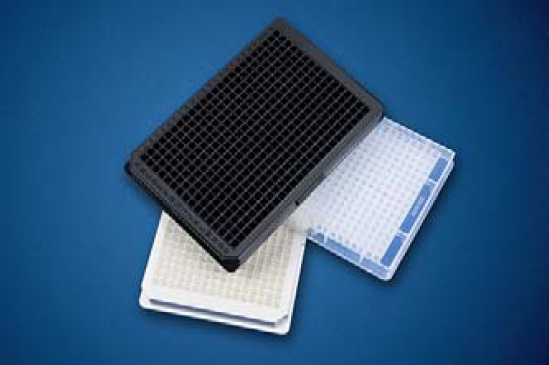
384-well polypropylene plates are the latest addition to Matrix Technologies's line of ScreenMates microplates. They feature a V-bottom design for maximum sample recovery and are considered ideal for sample storage or creating daughter plates. These plates are available in clear, white, or black and have a maximum working volume of 120 μL.
For more information, visit http://www.matrixtechcorp.com, or call 800.345.0206 or +1.603.595.0505.
384-Automation Pipet Tip

A new 384-Automation Pipet Tip is now available from Matrix Technologies. The 384 30 μL Extended Length D.A.R.Ts tip is designed for use with the PlateMate Plus, PlateMate 2 × 2, Apricot, and Cybio Automated Pipetting Systems. This new tip has the ability to reach the bottom of 384-deep well blocks and comes preloaded in rigid, disposable magazines. D.A.R.Ts are available in nonsterile, sterile, or with aerosol filters.
For more information, visit http://www.matrixtechcorp.com, or call 800.345.0206 or +1.603.595.0505.
Millipore

Two new, high-sensitivity chemiluminescent substrates for Western blotting applications are now available from Millipore. The inexpensive Immobilon Western HRP and AP Chemiluminescent Substrates provide high-signal response at midfemtogram levels.
Primarily used in Western and dot/slot/spot blotting applications, each versatile substrate has a high-signal intensity to facilitate the detection of both high- and low-abundance proteins. The Western HRP and AP Chemiluminescent substrates use two- to fivefold less primary and secondary antibodies than traditional, low-sensitivity substrates. As a result, antibody consumption is decreased significantly and reagent costs are reduced.
Available in ready-to-use formats, the two substrates are compatible with polyvinylidene fluoride and nitrocellulose membranes, and with commonly used buffers and blocking reagents.
For more information, visit http://www.millipore.com/immobilon, call 800.MILLIPORE or +1-978.715.4321.
Compact Filtration Accessories

Millipore now offers a new group of compact filtration accessories that have small footprints and can complement a range of filtration solutions. Compatible with Millipore's MultiScreen filter plates, the Titer Plate Shaker regulates shaking speeds from 40 to 1100 rpm. An 1/8 inch circular orbit minimizes cross-talk between wells for reliable and accurate assay results.
The Millivac Maxi and Mini vacuum pumps provide a consistent source of vacuum to filter large volumes and viscous solutions, as well as water and aqueous solutions. Compared to conventional models, the Millivac pumps are designed to eliminate vibrations and operate noise-free.
Lightweight, the Chibitan II Personal Centrifuge can process up to six centrifugal tubes at once. The centrifuge is optimized for use with Millipore's Ultrafree-MC centrifugal filter and Microcon device.
For use on a benchtop or in a laminar flow hood, the Milli-Stir Stirring Plate mixes up to 800 mL of liquid at speeds from 15 to 1500 rpm. The Milli-Stir automatically reverses direction every 30 s to ensure better mixing. In addition, its advanced magnetic coil technology offers durability by excluding any moving parts used in traditional stirring plates.
For more information, visit http://www.millipore.com/filtration, or call 800-MILLIPORE or +1-978-645-5476.
NUNC
New microplate storage racks from NUNC are available in four colors, have adjustable shelves, fit into chest and upright freezers and incubators, and can accommodate up to 10 standard height plates with lids, 18 low-profile plates, up to six NUNC DeepWell plates at 1 mL volume, or five NUNC DeepWell plates at 2 mL volume.
For more information, visit http://www.nuncbrand.com, e-mail
PANalytical
PANalytical's new MiniPal 4 energy-dispersive XRF (EDXRF) benchtop spectrometer performs nondestructive analysis of elements from sodium right through to uranium, in concentrations from 100% down to ppm levels.
Successor to the MiniPal 2 EDXRF benchtop spectrometer, the MiniPal 4 offers even greater levels of sensitivity and versatility. MiniPal 4Featuring features a new silicon drift detector, with currently the highest resolution in this market segment, assuring it demonstrates higher maximum count rates and improved resolution, twice the analytical performance of its predecessors, with higher accuracy and precision and much lower detection limits.
The instrument's X-ray tube allows the use of different target materials to avoid possible masking of the sample's spectrum by the spectrum of the tube. It comes with a rhodium target as standard, with chromium, molybdenum, and tungsten target materials available as options.
For more information, visit http://www.panalytical.com.
Porvair Sciences
Microplate Reservoir Trays
Porvair's range of disposable microplate reservoir trays has been expanded to cater to 384-well filling applications. The trays incorporate a pyramid bottom design, can provide easy access to all microplate liquid contents, and ensure a low-reagent dead volume for 96- and 384-well filling applications. Options for a single liquid or partitioned space for several liquids are available. Trays are manufactured to industry standards ensuring full compatibility with automated liquid handling systems and multichannel pipettors.
For more information, visit http://www.porvair-sciences.com, e-mail
24-Well Deep-Well Plate

Manufactured from ultrapure grade polypropylene, the new 24-well deep-well plate from Porvair Sciences has near zero leachates making it, according to Porvair Sciences, an ideal long-term sample storage medium. Offering 10 ml volume per well, it also permits users to simply reproduce a large variety of environmental analyses in a single unit maximizing operational flexibility.
Adopting a standard microplate footprint, this high-volume deep-well plate offers the productivity advantages of ready compatibility with robotic and automated liquid handling systems. To enable easy sampling access while maintaining sample integrity, the new plate may be securely sealed with a Santaprene piercable seal. The new plates are also easily stackable to conserve freezer storage space. For more information, visit http://www.porvair-sciences.com, e-mail
Qiagen
BioSprint 15 Ni-NTA and Strep-Tactin Kits
According to Qiagen, its new BioSprint 15 Ni-NTA and Strep-Tactin kits bring automated protein purification within the reach of more researchers than ever before. BioSprint 15 protein kits can save both time and effort by providing fast purification of high-purity 6 × His- or Strep-tagged recombinant proteins, ready to use in any downstream application.
The easy-to-use BioSprint 15 platform is a stand-alone instrument with a small footprint that enables automated parallel purification of up to 15 high-purity protein samples from prokaryotic or eukaryotic cell lysates. By using magnetic-bead technology, BioSprint 15 kits allow a rapid procedure that can purify up to 100 μg protein per sample in less than 45 min. Because the workstation transfers magnetic beads instead of liquids, it uses minimal amounts of reagents, enabling cost-efficient sample preparation.
For more information, visit http://www1.qiagen.com/Products/Automation/BioSprint15.aspx?ShowInfo=1.
BioRobot Universal System

Qiagen calls its new BioRobot Universal System a complete automated solution for systems biology that provides the widest range of ready-to-run applications in 96-well formats on one instrument. Fully automated protocols for the purification of DNA and RNA, and PCR and RT-PCR setup are now available, with protein and sequencing applications available soon.
For more information, visit http://www.qiagen.com.
Radleys Discovery Technologies

Radleys Discovery Technologies offers a new range of reduced volume reaction vessels that extends the utility of its Carousel 6-Place, Carousel Reaction Station, and Metz Syn10 products.
In applications including library generation and in many screening processes where samples and reagents are expensive or sparsely available, the new reduced volume reaction kits usefully extend the working volume of the Carousel range down to as low as 1 ml. To achieve the reduced volume, aluminum inserts are inserted into the reaction stations to maintain excellent thermal transfer to the smaller diameter glass reaction vessels. Using reduced volume glass reaction tubes enable more efficient stirring of small samples than could be achieved in the standard larger vessels. In addition, the increased surface area to volume ratio achieved with small samples, compared to larger reaction vessels, allows for more effective heating.
For more information, visit http://www.radleys.com, e-mail
Calorimetry Module for Lara Controlled Laboratory Reactor System
Calorimetry is a valuable tool for the process chemist. Unfortunately, traditional calorimetry techniques can have many drawbacks. Coflux or Constant Flux Control is a new form of calorimetry offering high levels of performance and flexibility at a low price. According to Radleys, its Lara Coflux system provides real-time information on power and enthalpy readings without relying on any time-consuming baseline calibrations. The new system not only accurately produces heat of reaction and maximum heat flow data needed for hazard assessment to scale-up a process to pilot plants or production units, but also generates the information for process monitoring, analysis, and optimization.
In traditional calorimetry, temperature control is usually provided by altering the temperature of the coolant fluid. This leads to slow response times, dependency on a baseline calibration, and thermal lag issues. Using constant flux calorimetry technology, the temperature control is provided by a series of coolant pipes that can be opened and closed on demand. This improves thermal response and removes any dependency on the heat transfer coefficient of the system. The result is the first high-performance laboratory calorimeter that is simple to use, accurate, fast, and affordable.
Unlike do-it-yourself CLR systems, Lara delivers a complete integrated solution, with hardware and software components that have been specifically designed to provide optimal performance and reliability. The Coflux calorimetry module utilizes the existing Lara CLR software, enabling easy integration of other Lara modules and third party equipment. System data are provided in real-time using an intuitive and flexible graphical display with all data logged to CSV files.
For more information, visit http://www.radleys.com, e-mail
Roche Diagnostics
Roche Diagnostics has updated tests for HIV-1 and HCV. They are both based on an automated sample preparation combined with automated amplification and quantification. The COBAS AmpliPrep/COBAS AMPLICOR HIV-1 MONITOR Test, version 1.5, is the first PCR-based test offering fully automated specimen preparation followed by fully automated amplification and quantification of the HIV-1 RNA for viral load monitoring. In addition, the COBAS AmpliPrep/COBAS AMPLICOR HCV Test, version 2.0, has been approved for qualitative detection of HCV RNA.
For more information, visit http://www.roche.us or http://www.roche-diagnostics.com.
Thermo Electron
Bidirectional Digital Interface for Watson LIMS and Xcalibur MS
Thermo Electron now offers a new bidirectional digital interface between its Watson Laboratory Information Management System (LIMS) and Xcalibur mass spectrometry (MS) software to promote compliance with Good Laboratory Practice standards and 21 CFR Part 11 electronic records keeping regulations. The bidirectional digital interface is intended to ensure the rapid and secure transfer of analytical run information directly from Watson to Xcalibur and the return of results to Watson without an intermediate file. The Watson LIMS–Xcalibur integration is enabled through an XML-based instrument gateway, which facilitates data transfer between the LIMS and the MS instrument control software.
For more information, visit http://www.thermo.com, e-mail
LTQ Orbitrap

According to Thermo Electron, its new LTQ Orbitrap is a hybrid mass spectrometer that offers superior performance for small-molecule research, drug discovery, proteomics, metabolite identification, and metabolomics. The LTQ Orbitrap represents the first totally new mass analyzer to be introduced to the market in over 20 years.
Combining patented Orbitrap technology with the highly successful Finnigan LTQ front-end, the LTQ Orbitrap can enable faster, more sensitive, and more reliable detection and identification of compounds in complex mixtures. Results demonstrate that its outstanding mass accuracy, mass resolution and routine, high-sensitivity MS n performance make it a clear alternative to existing hybrid time-of-flight systems.
For more information, visit http://www.thermo.com, e-mail
New Technologies for H-SRM
In an attempt to address the quantification needs of the pharmaceutical industry, Thermo Electron announces several new technologies further substantiating the Highly Selective Reaction Monitoring (H-SRM) feature. H-SRM significantly increases quantitative specificity by eliminating matrix interferences. The Finnigan TSQ Quantum Ultra is now equipped with Thermo's H-ESI probe with Dual Desolvation Zone technology, Ion Vector optics, and an improved probe housing specifically designed for routine operation in high-sensitivity, high-throughput Drug Metabolism and Pharmacokinetics laboratories.
For more information, visit http://www.thermo.com, e-mail
FOCUS GC for PolarisQ
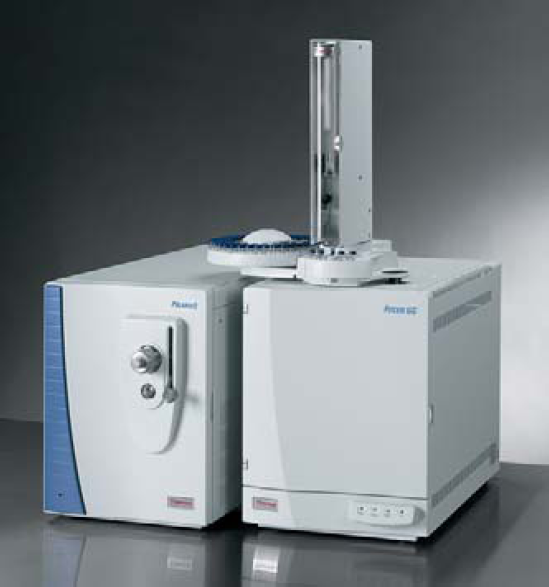
Thermo Electron has extended its PolarisQ ion trap mass spectrometer offering by incorporating the FOCUS GC with a Split/Splitless inlet. This totally new configuration is designed to provide laboratories with an easy to use, rugged solution that meets tight budget requirements, requires minimal operator training, and saves bench space. The new FOCUS-PolarisQ is a complete GC/MS package that provides affordable MS n capabilities to highly productive laboratories performing routine analyses and general teaching laboratories.
For more information, visit http://www.thermo.com/gc, e-mail
OMNIC V7.2

Version 7.2 of Thermo Electron's OMNIC Professional Software Suite for laboratory FT-IR and Raman spectrometers is now available. This update adds new features providing enhanced capabilities for advanced spectroscopy, image analysis, high-throughput chemistry, and regulatory compliance in research, routine analysis, and QA/QC environments.
New tools include new SpectraCorr software to enable two-dimensional correlation spectroscopy with new algorithms and advanced imaging graphics; Atlμs imaging software with microscopic visualization and spectral analysis capabilities and advanced image analysis; Array Automation software designed for high-throughput chemical screening applications using FT-IR and Raman; and Thermo's ValPro instrument qualification package is extended to FT-IR, Raman, and sampling modules.
For more information, visit http://www.thermo.com, e-mail
LyoCheck Solution
According to Thermo Electron, its new LyoCheck solution is a rugged, easy-to-use package that provides a rapid method for the analysis of lyophilized (freeze-dried) materials using the Nicolet Antaris FT-NIR (Fourier transform near-infrared) analyzer, and is the ideal tool for repeated analyses of lyophilized products for quality assurance and regulatory compliance. This technique offers a modern, fast, and nondestructive method compared to traditional analysis techniques, such as loss-on drying, gas chromatography (GC), and Karl Fischer titration.
For more information, visit http://www.thermo.com/nir, e-mail
Nautilus LIMS 7.0
Thermo Electron's version 7.0 of Nautilus LIMS for early stage discovery in biotechnology research and discovery offers greater speed and efficiency in data archiving and plate planning. Nautilus's new archiving functionality allows users to automatically transfer data from active tables to archived tables and back again, using interactive and background tools. Multiple archives can be created in Nautilus, so all data related to a specific experiment or study can be collected in, and more easily retrieved from, a designated archive.
For more information, visit http://www.thermo.com/informatics, e-mail
Atlas Chromatography Data System 8.0

According to Thermo, version 8.0 of its Atlas CDS offers enhancements in data acquisition and integration with laboratory information management systems, and major improvements were made to the instrument control architecture to enhance network resilience. A key focus of the release ensures secure and robust communication between the instrument and Atlas software.
For more information, visit http://www.thermo.com/cds, e-mail
Nicolet Antaris FT-NIR Analyzer

An adjustable tablet carousel accessory is now available for use with the Nicolet Antaris Fourier transform near-infrared (FT-NIR) analyzer product line, and can provide a flexible, cost-effective tool for the analysis of different-sized tablets. A single lever adjusts all tablets into position, regardless of tablet size, saving time and eliminating the need for multiple, customized carousels in formulation and method development applications.
For more information, visit http://www.thermo.com/nir, e-mail
THK America
Type KLM Actuator
According to THK, its new Type KLM Actuator achieves extreme accuracy through the incorporation of an optic linear encoder and linear motor. Direct drive and fully closed control results in positioning accuracy of 10/ 500 mm μm and positioning repeatability of ±0.3 μm. The Type KLM obtains these accuracies while operating at speeds of up to 2.0 m/s, and with accelerations reaching 4.7 G. The KLM is designed for high speed, high accuracy, and long-term maintenance of free operation. Based on THK's SKR actuator, the KLM is designed with a linear motor. Both rigid and compact, Type KLM is interchangeable with THK's Type SKR Actuator.
For more information, visit http://www.thk.com, e-mail
GLM30 1-Axis Positioning Solution
A complete one-axis positioning solution, THK's new GLM30 provides 3000 N (674 lb-f) of continuously useable linear force when a cooling liquid supply is connected to its integrated motor coil coolant connections. An instantaneous peak linear force of 4500 N (1011 lb-f) is also achieved. THK's LM Guide Type SHS features long strokes and large thrusts. When THK Caged Technology is incorporated, this actuator operates with reduced dust generation, low noise, and at high speeds. The new water-cooled linear motor and an optical linear encoder on a strong lightweight extruded aluminum base make this actuator an ideal solution for demanding automated systems applications such as electronics assembly, semiconductor wafer/large LCD production, and robotics where continuous high acceleration and high speeds are required without sacrificing accuracy.
For more information, visit http://www.thk.com, e-mail
Type CMX Alignment Stage
The new, low-profile stage incorporates a patent pending X-Y module design, where four hollow modules are sandwiched between, and at each corner of, a base plate and a top table. Large through openings are included to allow complete access from the top and bottom of the stage. The use of X-Y modules enabled THK to design this three-axis stage with only the two main plates with large openings. This results in a significant reduction in weight and height, even for the line's largest standard table size of 1500 mm × 1500 mm.
For more information, visit http://www.thk.com, e-mail
Viscotek
Model 802 Dynamic Light Scattering Instrument

A new Dynamic Light Scattering (DLS) instrument for biomolecular characterization - the Model 802 DLS - is now available from Viscotek. According to Viscotek, its Model 802 DLS can provide superior sensitivity and accuracy compared to any other instrument currently available.
Comprising state-of-the-art instrument matched to a user-friendly software system, the Model 802 DLS requires only a small volume of recoverable sample (10 μL). The sample is introduced into the sample cell that is placed in a temperature-controlled cell holder. The software-controlled instrument then makes the measurement, and the results are displayed in seconds. A complete analysis from start to finish can be accomplished in minutes.
The Model 802 DLS serves a broad range of applications in biomolecular discovery, development, and delivery including screening for aggregation prior to protein crystallization, protein-protein interactions, protein conformation analysis, screening biotherapeutics for self-association as well as measuring the stability and size of lipids and conjugates.
For more information, visit http://www.viscotek.com, e-mail
FIPA Application Note

A new applications report entitled “FIPA for Xylene Soluble Determination of Polypropylene and Impact Copolymers” is now available from Viscotek. In this report, Viscotek FIPA experimental procedures are compared with the traditional gravimetric method used to determine xylene solubles in process polymers. The xylene soluble test is designed to measure the amorphous content of polypropylene and ethylene–propylene rubber materials. The accuracy and precision of the xylene soluble test are very important to the process and product specifications of the resultant materials.
For more information and a copy of the report, visit http://www.viscotek.com.
Wyatt Technology
Wyatt Technology has revised its “Ultimate Guide to Buying a Light Scattering Instrument” brochure to provide an abbreviated bible on the principles of light scattering technology. The free guide also highlights the full breadth of the company's macromolecular characterization instruments, software, and accessories. The 28-page guide expands on its predecessor by providing scientists in the biotechnology, chemical, petrochemical, and pharmaceutical industries with a complete guide on how Wyatt Technology's products, including the recently launched DAWN HELEOS Multi-angle Light Scattering Detector and DynaPro Dynamic Light Scattering instruments, assist in each stage of the macromolecular characterization process and help scientists make the right choice when buying a light scattering product.
For more information, visit http://www.wyatt.com, or e-mail
More News
The
The
Using a range of scientific equipment supplied by
In another Roche news, the
GRAMS desktop spectroscopy software by
According to a recently published report from the