



Abstract
The roles of the clinical laboratory department in each hospital are becoming more important than before. On the other hand, there have been endeavors to seek a way to integrate and systemize examinationsand testing and to add values to the results. The role of the laboratory department in the medical field is significant in making decisions on diagnosis and treatment. Increasingly, laboratory information of value is being more heavily demanded from the out-patient and in-patient clinics.
Our department has been responsive to the current needs of those workplaces, and over the past 5 years has developed an examination system using computers. Currently this system is operating in the blood examination and physiological examination branches. Furthermore, we are developing a new system with the aim of establishing “electronic medical records.”
At first, we explain in this paper the background and reason why we intend to manage and integrate the data of clinical laboratory information. Then we provide an overview of the present status and perspective of the physiological examination system in Japan.
INTRODUCTION
Because, the environment of the medical workplace surrounding the Clinical Laboratory is so volatile, automated and labor saving systems have been rapidly adopted in recent time by many blood examination departments. Therefore, the introduction of “branch laboratories” and such systems as the FMS (Fertility management service) and DRG/PPS (Diagnosis Related Groups/Prospective Payment System) are being considered. Independent administrative bodies will be incorporated at national universities under the administration of the Education Ministry. In the midst of the significant changes that the Japanese medical system itself is now facing, it can be said that the issue of the survival of the Laboratory Department has become more critical.
In order to survive in the current climate of change, the Laboratory Department must make the best use of IT (Information Technology) to offer systems that adequately meet the needs of both Medi-care and patients. Such a system must be able to arrange an enormous amount of examination data in a clear and simple way, making the Laboratory Department a base for the dissemination of information to others.
DEVELOPING THE SYSTEM
Having taken these circumstances into consideration, we have attempted to establish the blood and physiological function examinations system. The introduction of this system in the blood examination department is aimed at reducing labor and speeding up data reporting. We started work on this in the early 1980s and we were able to establish an integrated blood examination information system, connected to the automatic analysis equipment and carrier line, which supports the medical workplace.
On the other hand, the development of a total system of integrated data management of the physiological laboratory department, using numerous types of MEs (Medical Engineering Instruments), is lagging behind, although some limited facilities utilize a system with a single kind of ME when examining electrocardiograms and electroencephalograms (table 1).
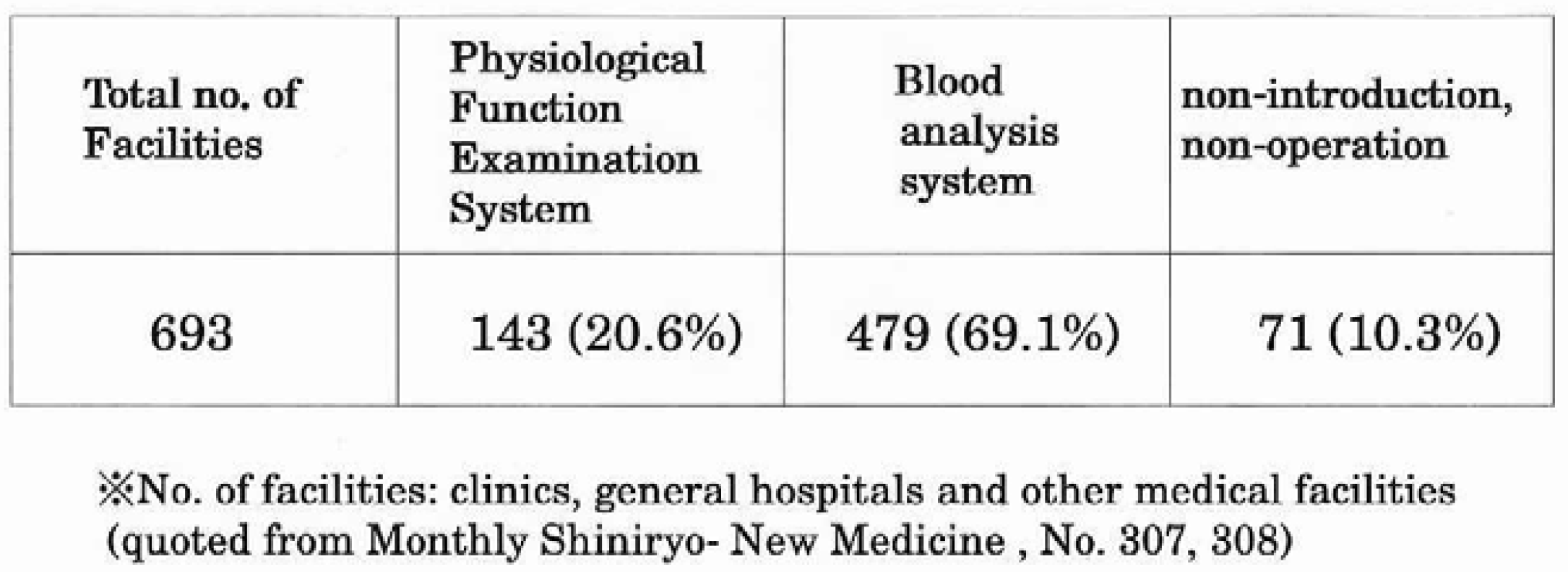
 No. of facilities: clinics, general hospitals and other medical facilities (quoted from Monthly Shiniryo- New Medicine, No. 307, 308)
One of the major reasons for delays in the development and introduction of the integrated system of the Physiology Department in comparison to the Laboratory Department is that the data of the former is digital whereas that of the latter is analog. The analog data was what hindered the physiology department from developing the system most.
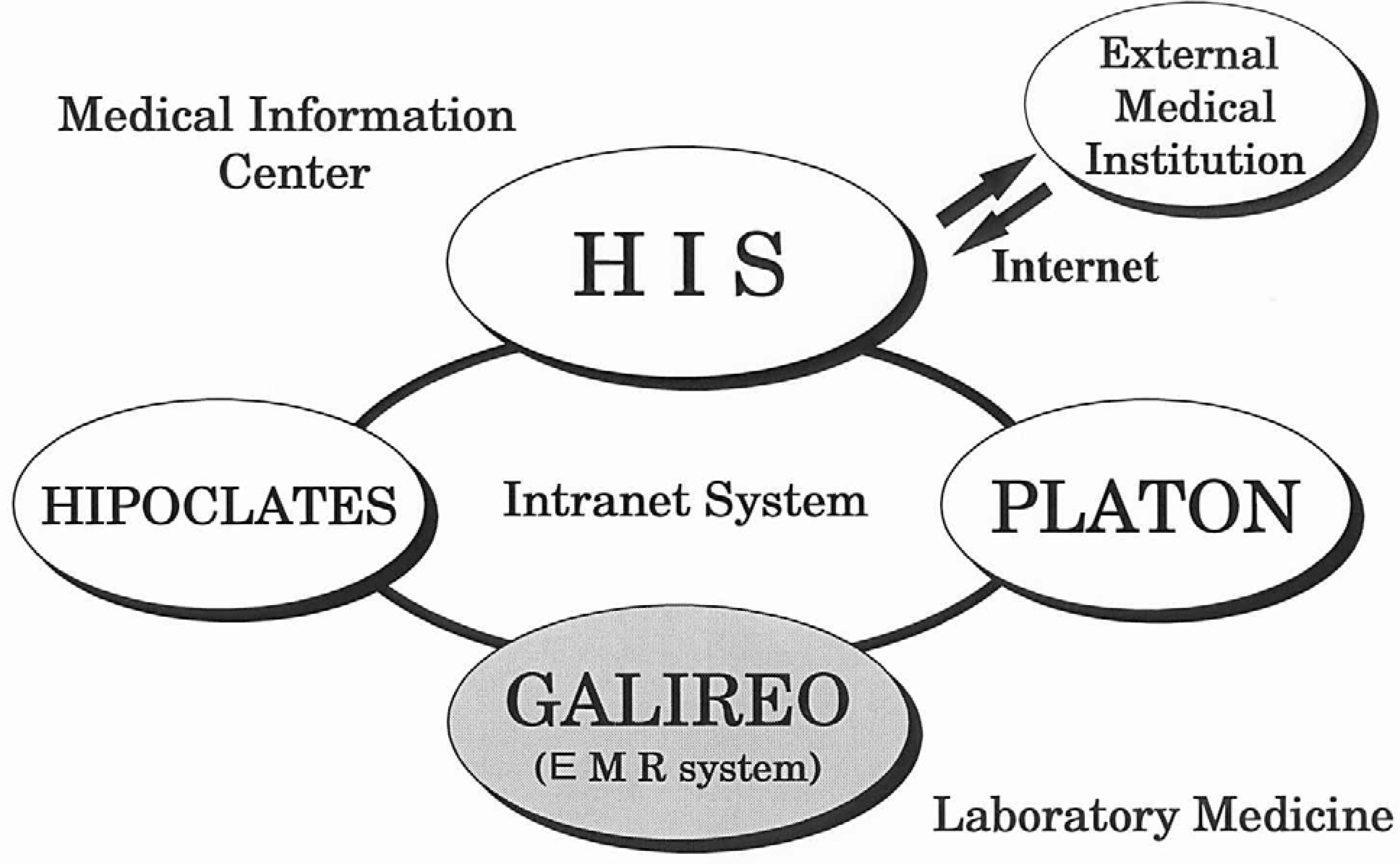
Our Laboratory Department commenced ordering from the Hospital Information System (HIS) in July 1985 and was involved in integrating data of examination results concerning biochemistry, blood, serum, and RI. Furthermore, in May 1995, it was engaged in introducing the C/S (Client/Server) system, HIPOCLATES (Hospital Intelligent Powers of Clinical Laboratory Automation Technology with Expert System/ CLINILOG/CLINILAN Ver. 7.5/ A & T Co.), with an automatic carrier line system. It consists of 11 machines of 6 different types, which contribute to treatment support (Figure 1 and figure 2).
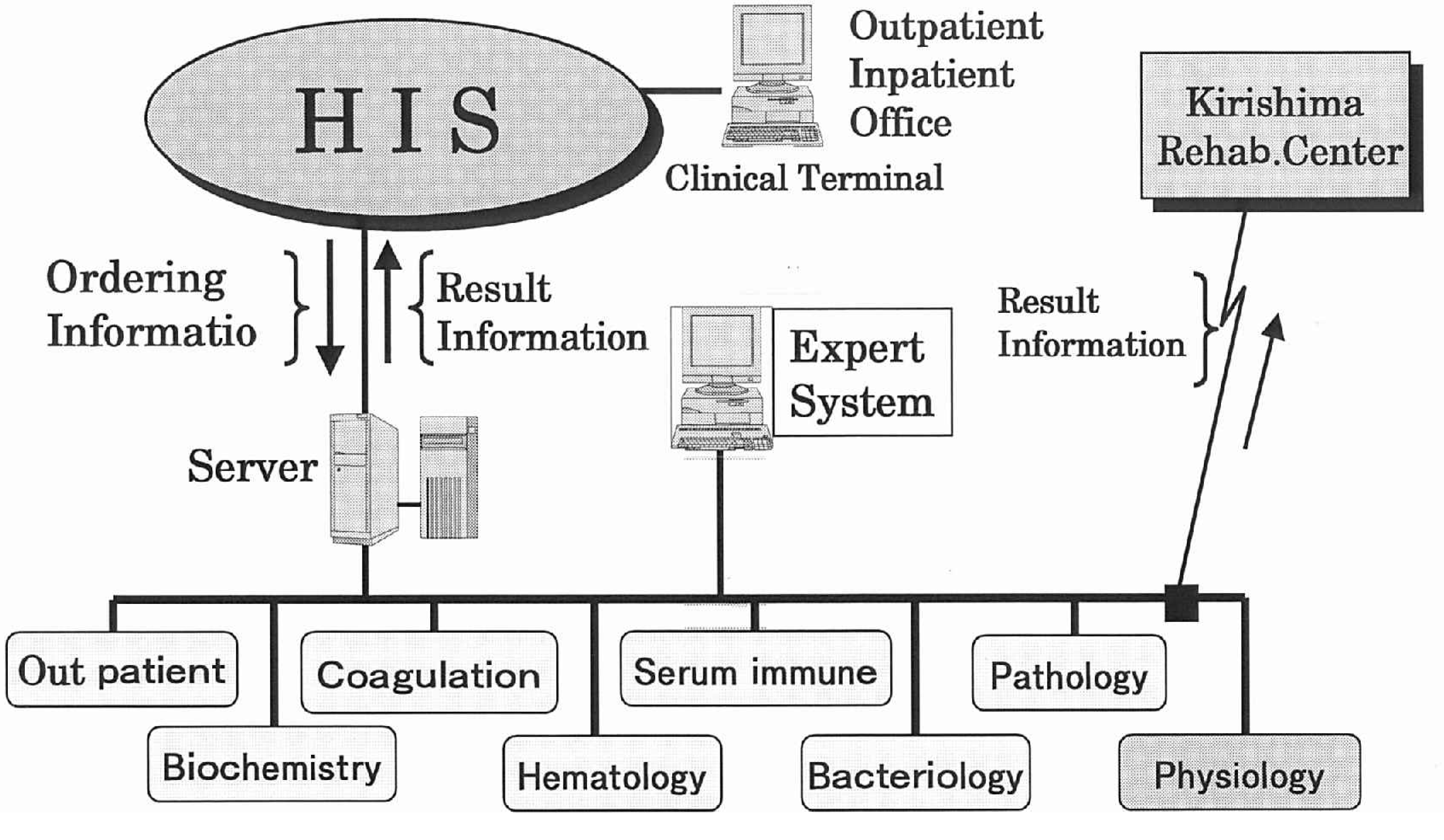
Schematic of HIPOCLATES
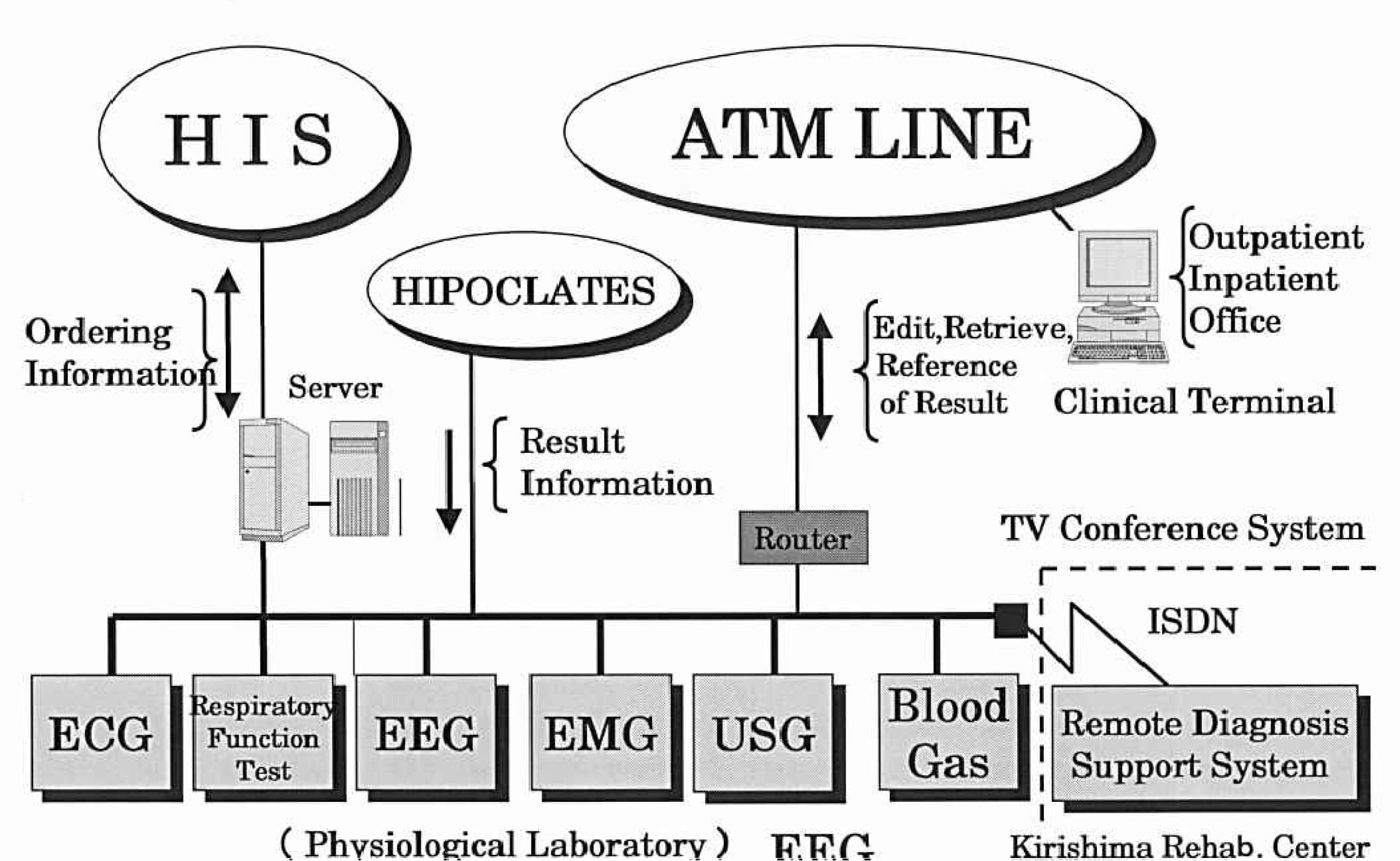
In May 1997, a new system of authentic C/S called PLATON (Physiological Laboratory Total Network system/NEC Medical Systems, Japanese GE Maruqette Medical System Co., Ltd.) was introduced into the physiology laboratory department. Currently both systems are receiving order information from host computers in the hospital. Data from HIPOCLATES can be accessed and viewed at HIS terminals. PLATON enables the operation of integrated data management where we are able to arbitrarily search, view and edit physiological examination data 24 hours a day using the multi-modality and multi-window systems of exclusive terminals.
This article focuses on the current status, important points for integration and potential for further development of the physiological examination system with reference to the development stages of this system from system design to development, introduction and operation.
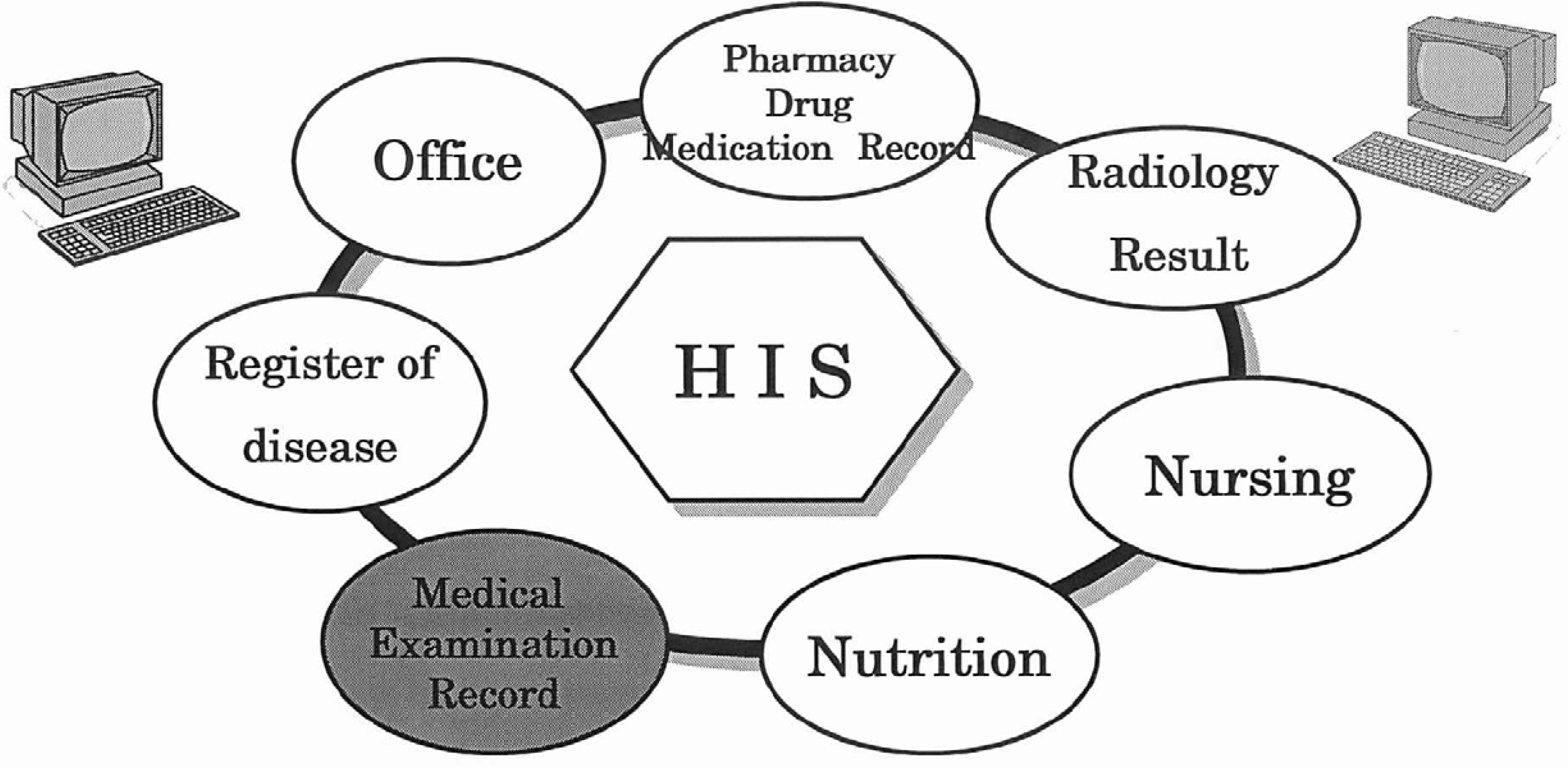
IMPORTANT POINTS FOR INTEGRATION
Data obtained in the Physiological Examination Department includes, 1) diverse data such as pulse, result of blood gas analysis, etc., 2) wave form data such as electrocardiograms and electroencephalograms, 3) graph form data such as respiratory function, and 4) moving pictures and static pictures such as ultrasonograms and endoscope results.
In constructing the system, diverse data ranging from 2) to 4) should be classified as medical image data. The data of 2) and 3) have not been standardized. All the data of 4) however, will be processed according to the DICOM (Digital Imaging Communication in Medicine) standard. At hospitals and companies in North America the development and operation of third generation PACS (Picture Archiving and Communication System), based upon DICOM and HL-7 (Health Level 7), is now in progress.
Currently, the necessity of standardizing ME output data and communication protocols used in the Physiological Examination Department is well understood. However, the reality is that this standardization has not been made yet. It is critical, within our limited budget, to establish and operate the most efficient and cost effective system possible. Ideally, this system should include a network connection to each ME company according to different needs.
Another important issue is the method used for storing data. Enormous amounts of data are outputted daily from the Examination Department. In order to file them electronically, we must keep in mind the policy of “Filing medical records, etc., by electronic medium” issued by the Welfare Ministry in April, 1999. The choice between electronic filing and conventional filing is left to each medical facility.
It is important to design the system concerning medical image data from the Physiological Examination Department with future “electronic medical records” in mind. Not only supporting in-house treatment by utilizing internet technology, etc., but also a “Medical System Network” should be established to integrate the tele-medicine support system so that we can contribute to treatment in remote areas.
SYSTEM DESIGN
Construction of Department System
In integrating the physiological examination system with bookings, reception and examination data, such as electrocardiograms and electroencephalograms, digital processing will be used to save space by establishing an efficient filing system. With this system as a core, it is more realistic to say that the related examination sections will be integrated one by one to lead to intranet technology in order to produce an integrated system for the Physiology and Laboratory Departments.
Networking
Networking will be achieved step by step. One method is to install the closed exclusive LAN (Local Area Network) in the Laboratory Department, and the other is the utilization of the existing in-house LAN (ATM: Asynchronous Transfer Mode network) of the hospital.
With the advancement of specialized medicine, it is anticipated that data necessary for medical education and treatment will become increasingly voluminous and complex. Data necessary for medical administration will also have to be processed. In large-scale hospitals, it is vital to establish in-house networking (Intranet), connecting the various sections of the hospital, and linking with the ordering and medical accounting system for efficient operations (Figure 3).
Physiological examination data differs in content from the other departments in the existing LAN, due to its relatively large transmission volume per unit time. Therefore, to establish an efficient system, thorough consideration for the requirements of related departments in a hospital, including the medical data department, is essential.
Filing examination data
Although it is relatively easy to save the ME data for diagnosis, data from diverse modalities should first be standardized when establishing an integrated data management system through networking (Figure 4).
Standardization of Physiological Examination Data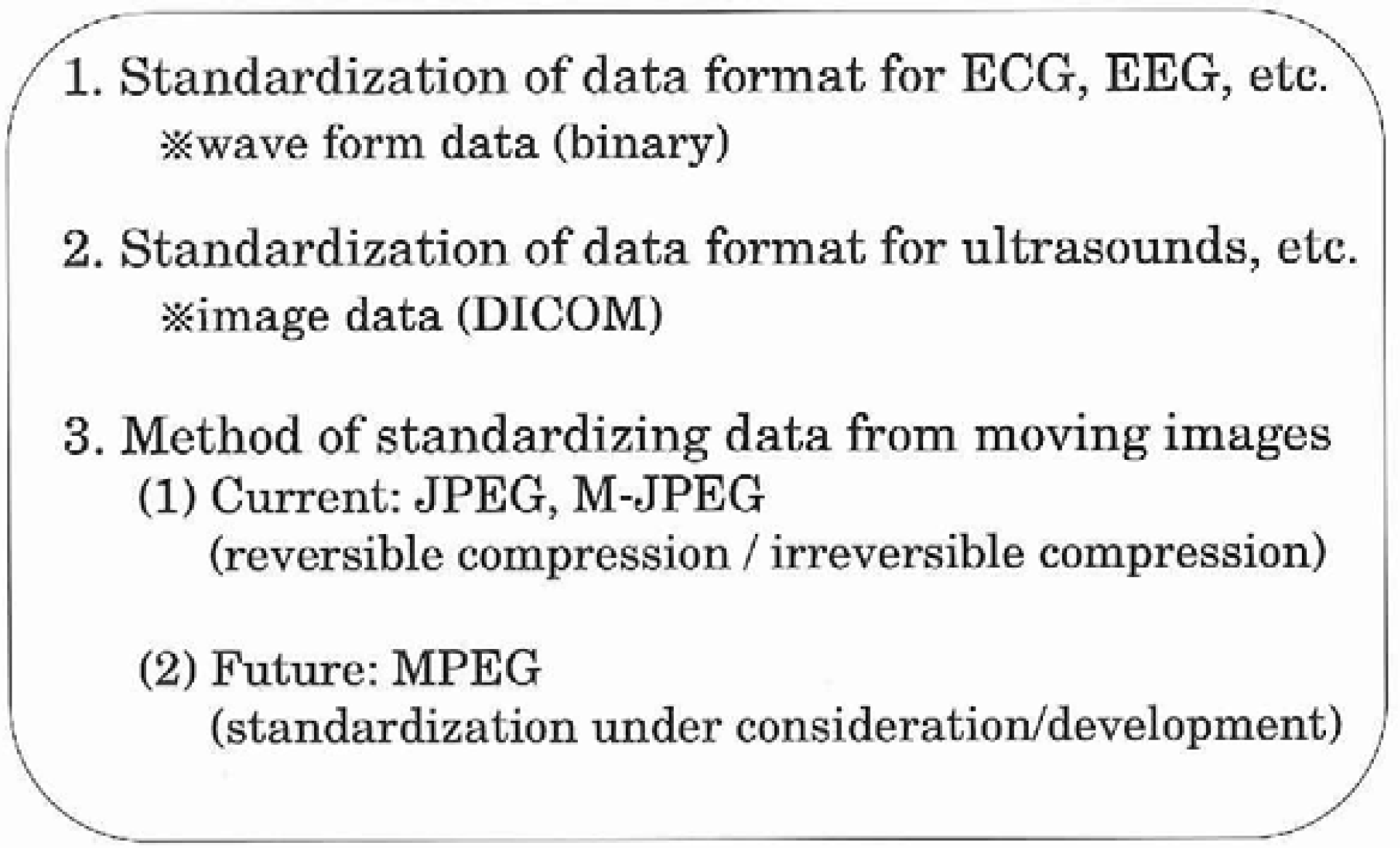
At the moment, it is reasonable to use the binary format that converts analog wave data to A/D (Figure 5).
Concept of wave form image data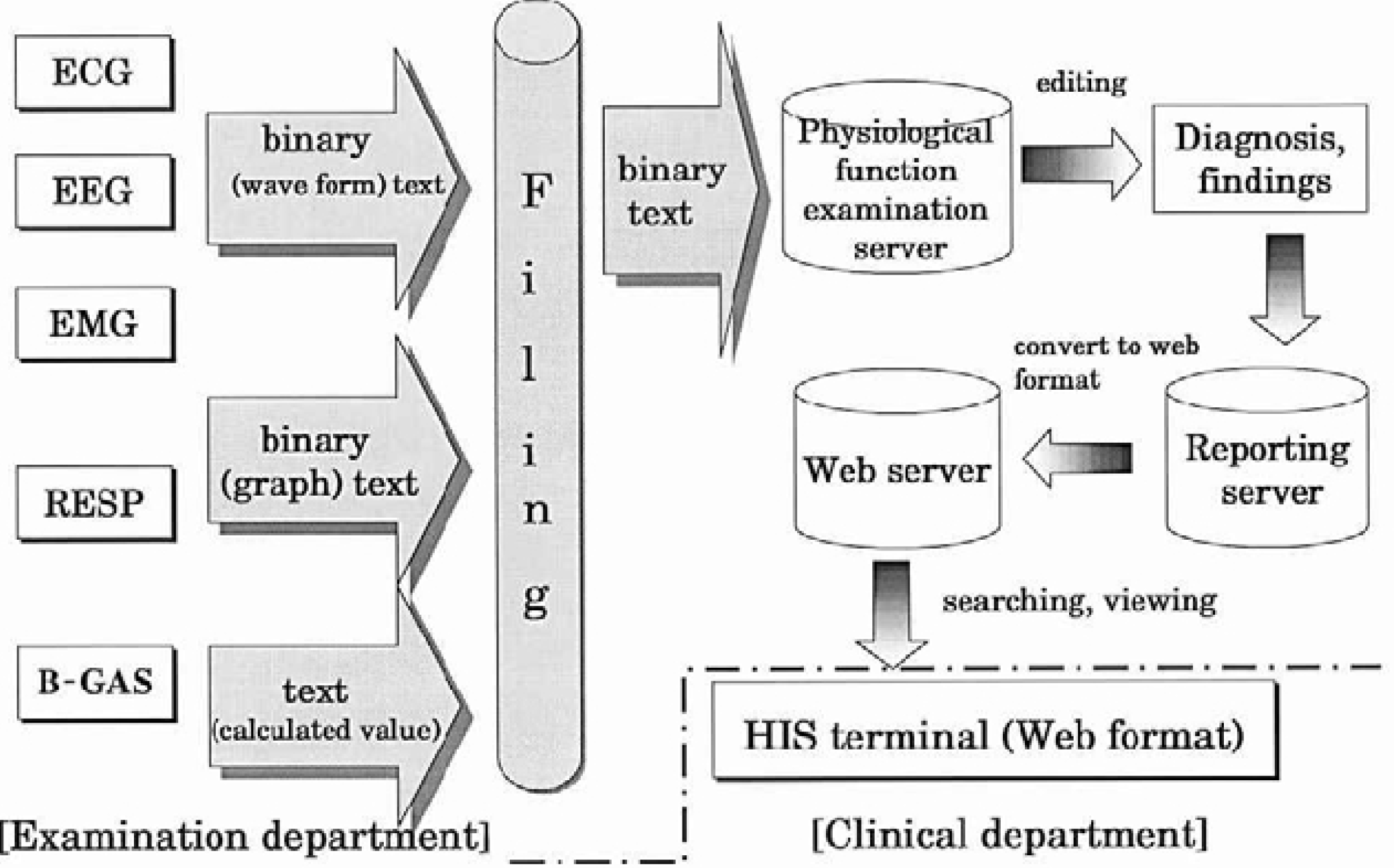
DICOM standard is appropriate for image data such as ultrasonograms, which contain both static and moving images. Static images can be transferred and saved using DICOM format without damaging image quality. However, it is difficult to accurately reproduce moving images without damaging image quality after compressing them when filing. Currently we use M-JPEG (Motion-JPEG), which can process static images and JPEG (Joint Photographic Experts Group) consecutively and with high speed, but for future use, the unification into MPEG (Moving Picture Experts Group) is currently being considered (Figure 6).
Concept of ultrasound data processing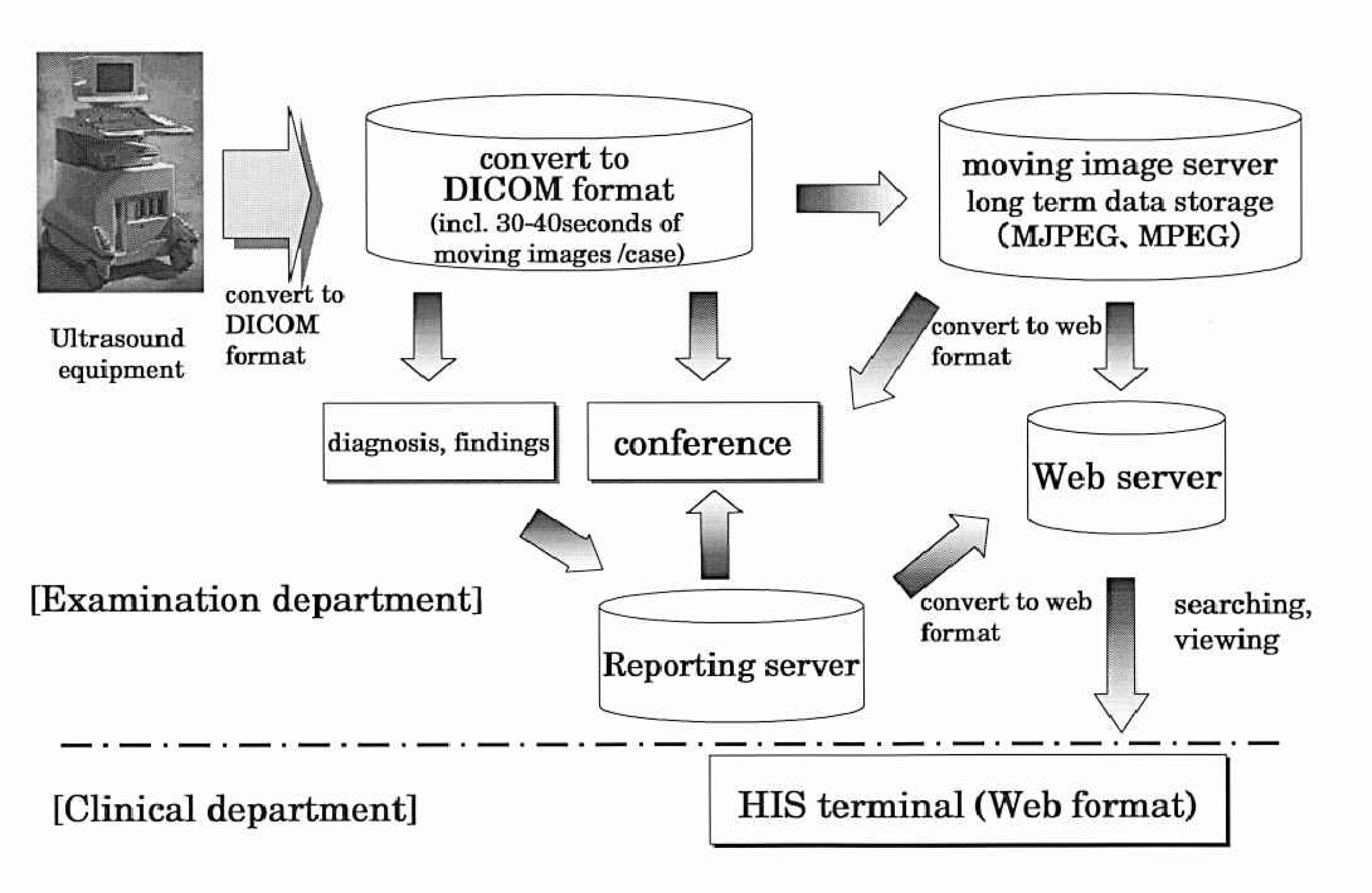
DEVELOPMENT
One of the most pressing issues in operating the network system is “the relation between transmitted data volume and response time.” For example, in Ethernet LAN of 10 BASE, 30 minute-long electro encephalogram data uses the capacity of approximately 30 MB with sampling frequency of 200HZ and 21 channels. However, since the access time to the server is required to be a high speed of about 2 to 3 seconds, we try to access by the page and display this utilizing dummy access time. A similar level of access time is required to refer to other wave form data such as electrocardiogram.
When it comes to image data such as ultrasonogram, it is rather difficult. It takes about one second to transmit one color image data (1 MB), proving to be an inappropriate tool for practical use. The most effective way to overcome this transmission problem is “data compression.” There are two ways to compress data. One is a reversible compression system and the other is an irreversible system. Using this method, data is compressed when saving to the server, and later uncompressed when accessed at each terminal. At any rate, a large capacity of data cannot be transmitted without data compression. According to the increase in compression ratio, transmission speed increases. On the other hand, data image quality deteriorates. This is the flip side of the coin.
In processing moving data on the system, individual judgement is required to discern which treatment class is appropriate.
SYSTEM CASES AT KAGOSHIMA UNIVERSITY
Below are the practical cases of establishing PLATON that we conducted in our Laboratory Department (Figure 7).
Outline of System
OS: Windows95/98/NT, NOS: Netware4.1 J, DB: Btrieve-V7; Transmission Protocol: TCP/IP, SPX/IPX, RS-232C; Connection Format System: Ethernet (10Base-T), ATM (100Base-Tx), ISDN (INS64), Security capability: staff ID, password; Connecting Equipment: exclusive server (1: Express 5800, HD80GB); Client terminals (40 terminals); ME equipment (15 machines of 11 types), Application Software: PC PRINS Package of NEC Medical Systems and Japanese GE Maruqette Medical System Co., Ltd. (Figure 8).
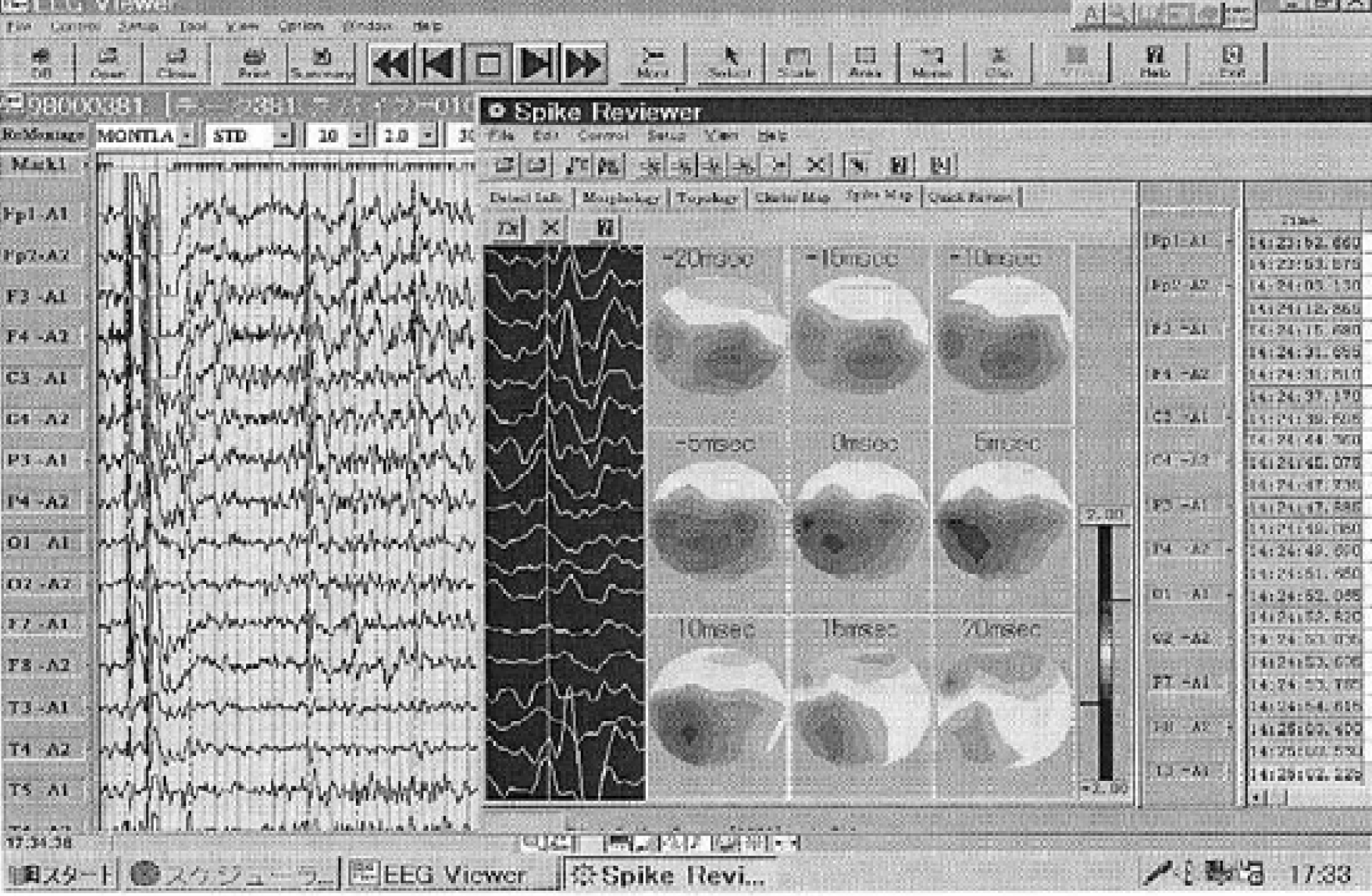
Operation
Connection to ME equipment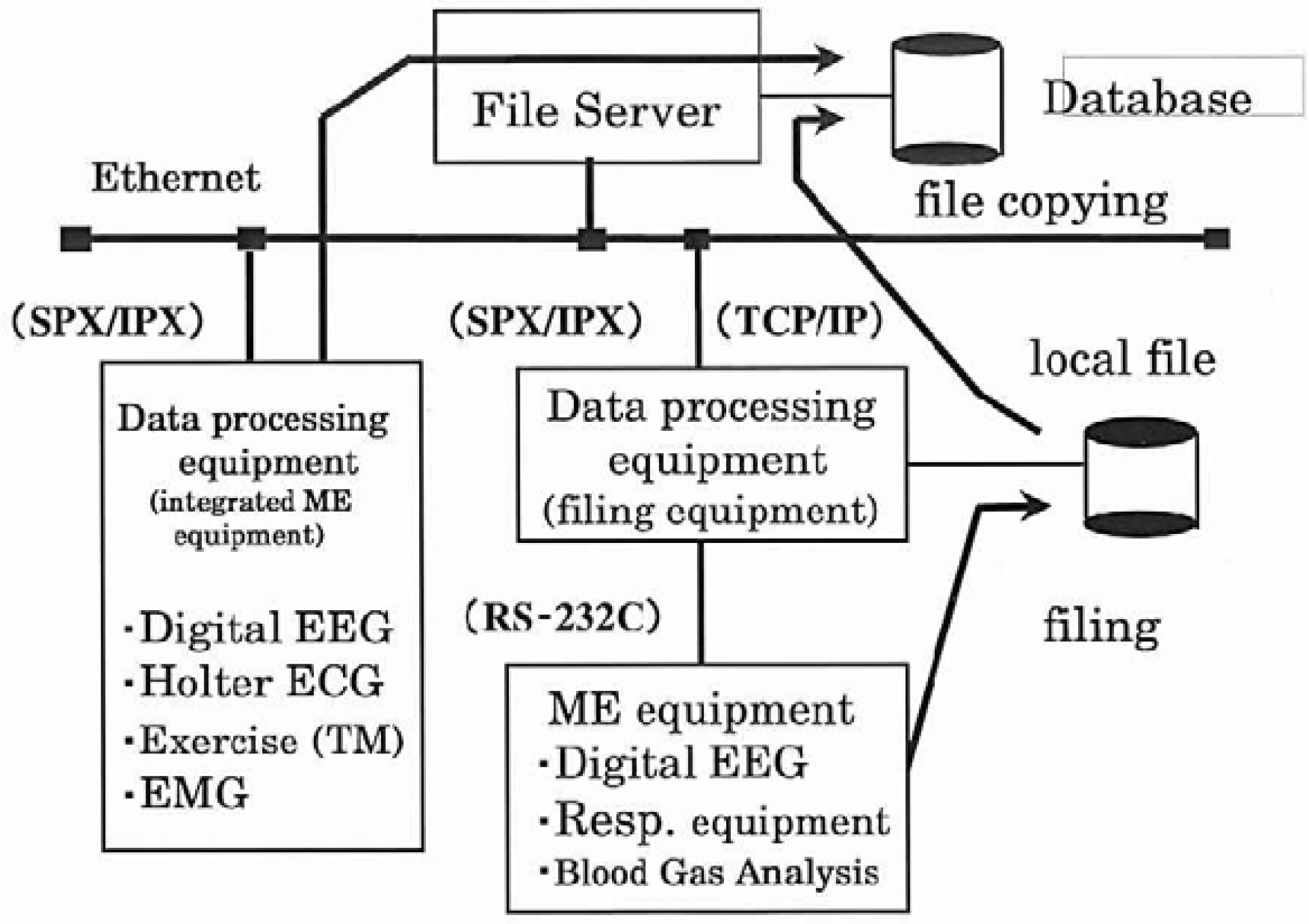
PLATON and HIS are connected on-line and supply ordering data, bookings and reception, and process examination implementation data (fee information). By connecting the blood examination department to LAN, it is possible to access blood examination data, and linking the physiology laboratory databank, data can be searched and accessed 24 hours a day.
Using this system, all modalities of data are integrated for management. Image data on the server can be searched, viewed, edited and printed using terminals installed in treatment areas within a Laboratory Department and at in-house ATMs (Figure 9).
Utilization
Establishment and operation of PLATON has now made the following possible;
It has increased efficiency of examinations by accessing data from HIS and shortening the waiting time of patients.
It has enabled real-time and chronological viewing of image data examination results.
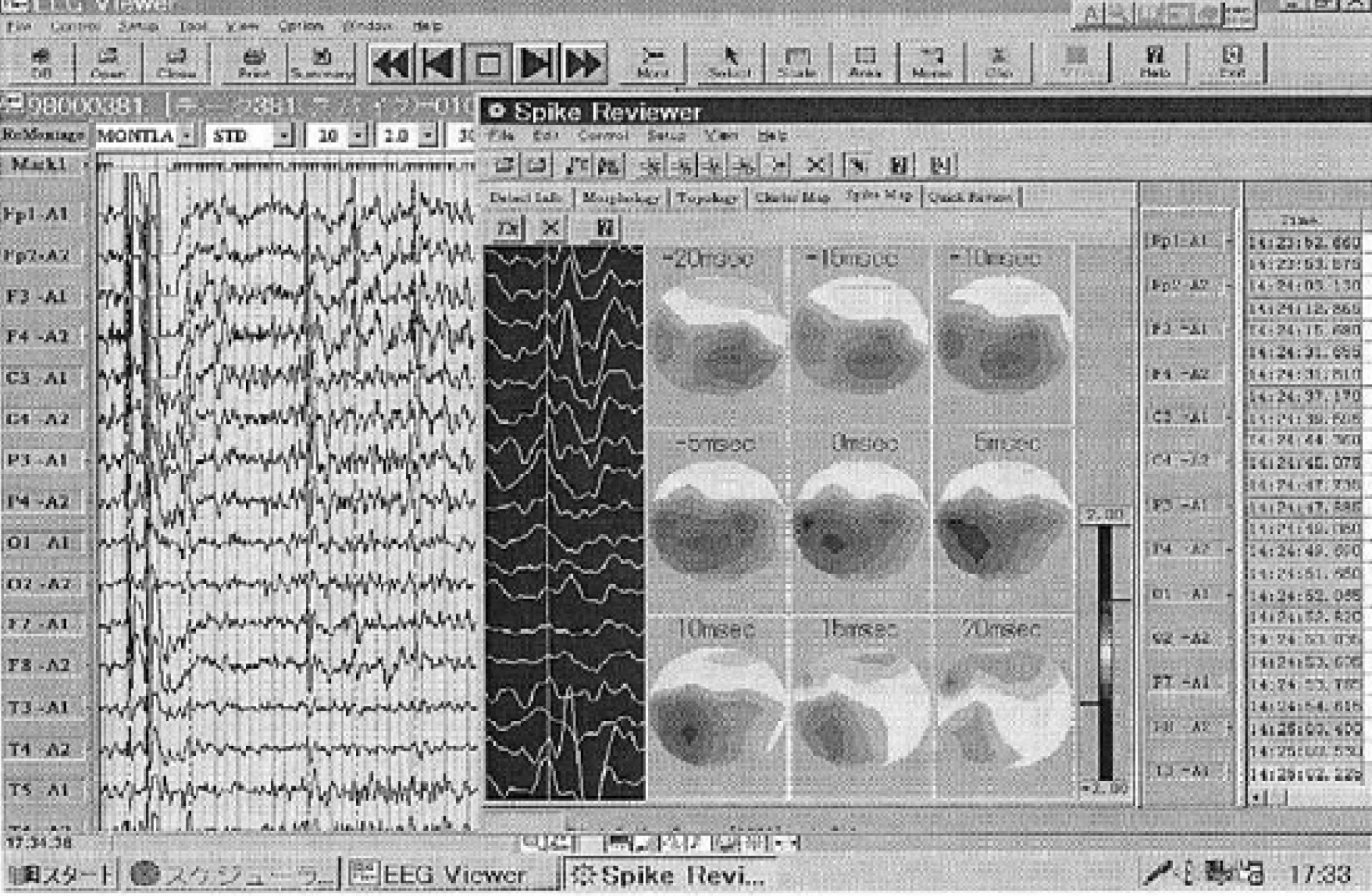
It has used a multi-modality and multi-window system to make treatment more efficient and informed consent easier.
It has enabled distance-consultation using public telephones.
It has provided high value-added data by connecting with LANs in other Laboratory Departments (Figure 10).
Results of blood gas analysis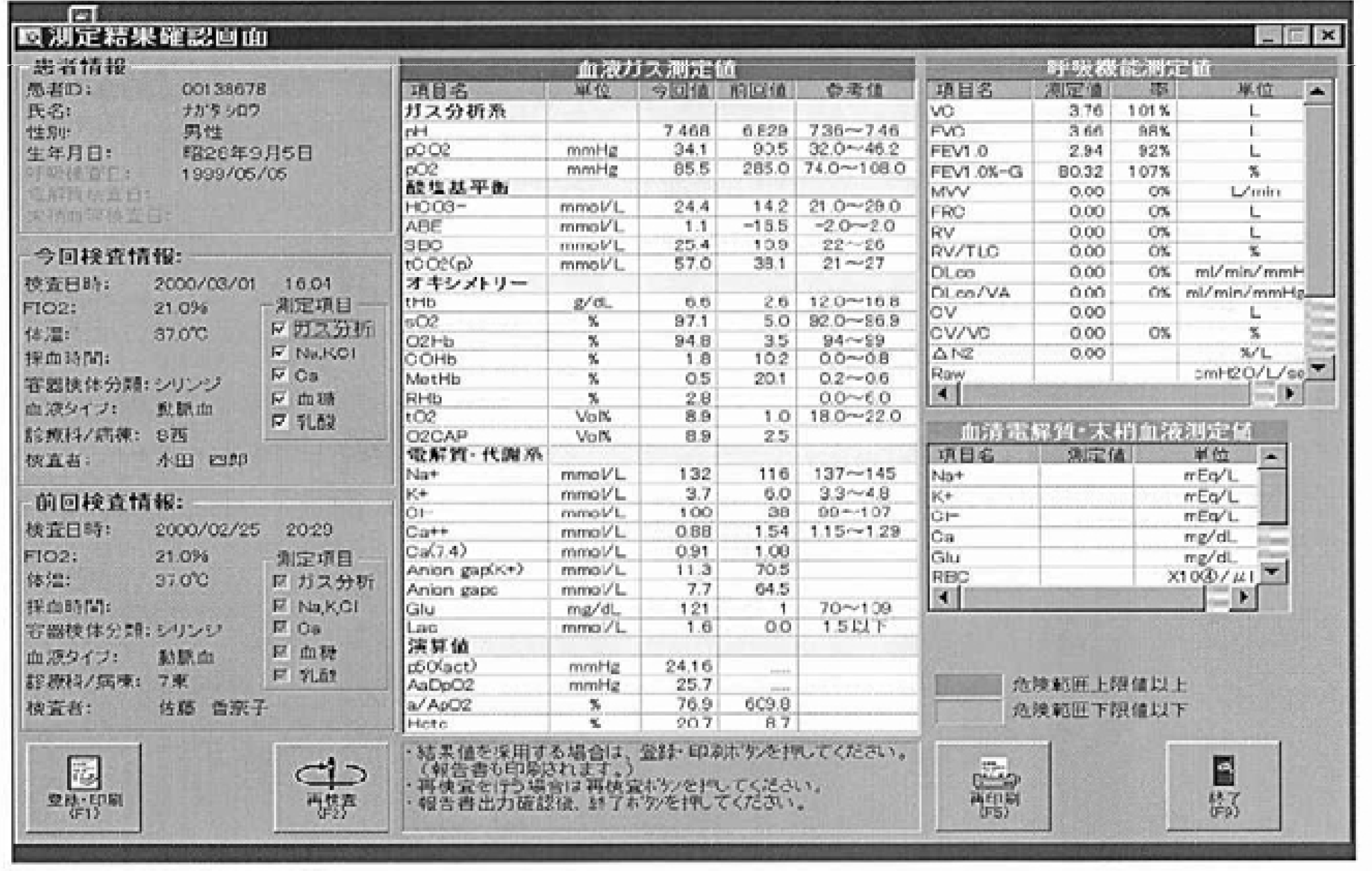
ASSESSMENT OF INTRODUCTION OF THE SYSTEM
The most important aspect of the data system establishment and operation is how the system is being utilized. The system can only be useful when used by users. For this to occur, the content should be substantial. At the same time, data can be accessed according to simple procedures, and the program should be designed in such a way that user's intent is incorporated into the program as much as possible.
IMPROVEMENT
In introducing the system, it is necessary to consider the specifications after problems have been pointed out by thorough analysis of the current status including the operation for businesses. However, in accordance with the change in business content and the increasing data, system function will not always meet the needs of the business operation. Expected volume change can be put into consideration in introducing the system, but unexpected change will need the periodical improvement of the system function after starting the operation.
FUTURE DEVELOPMENT
The examination results of each department are not on-line at present. Therefore, the blood examination department needs to put their results on-line and automate them in order to work more efficiently and effectively with the Laboratory Department.
For example, the following problems are to be solved:
How to make reports about image data of blood and blood cell form that are integrated with nominal data.
How to accelerate bacteria examination and the return of those results; how to share information on in-house infection; and how to promote educational activities for preventing infectious diseases.
How to make quicker and more decisive diagnostic information by gene analysis.
How to contribute to quicker diagnoses of pathological tissue examination during operations or distance-consultation.
The integrated management of these data has facilitated consultation about examination results to each department. At this stage, primary EBM (Evidence Based Medicine), is carried out and the role of the clinical laboratory seems to be complete.
Regarding the processing of examination data in the physiological examination department, the introduction of a server with a large memory and a high-speed LAN makes it possible to view, edit, and make reports on detailed chronological information, including mobile pictures (in particular echo-cardiograms) (Figure 11).
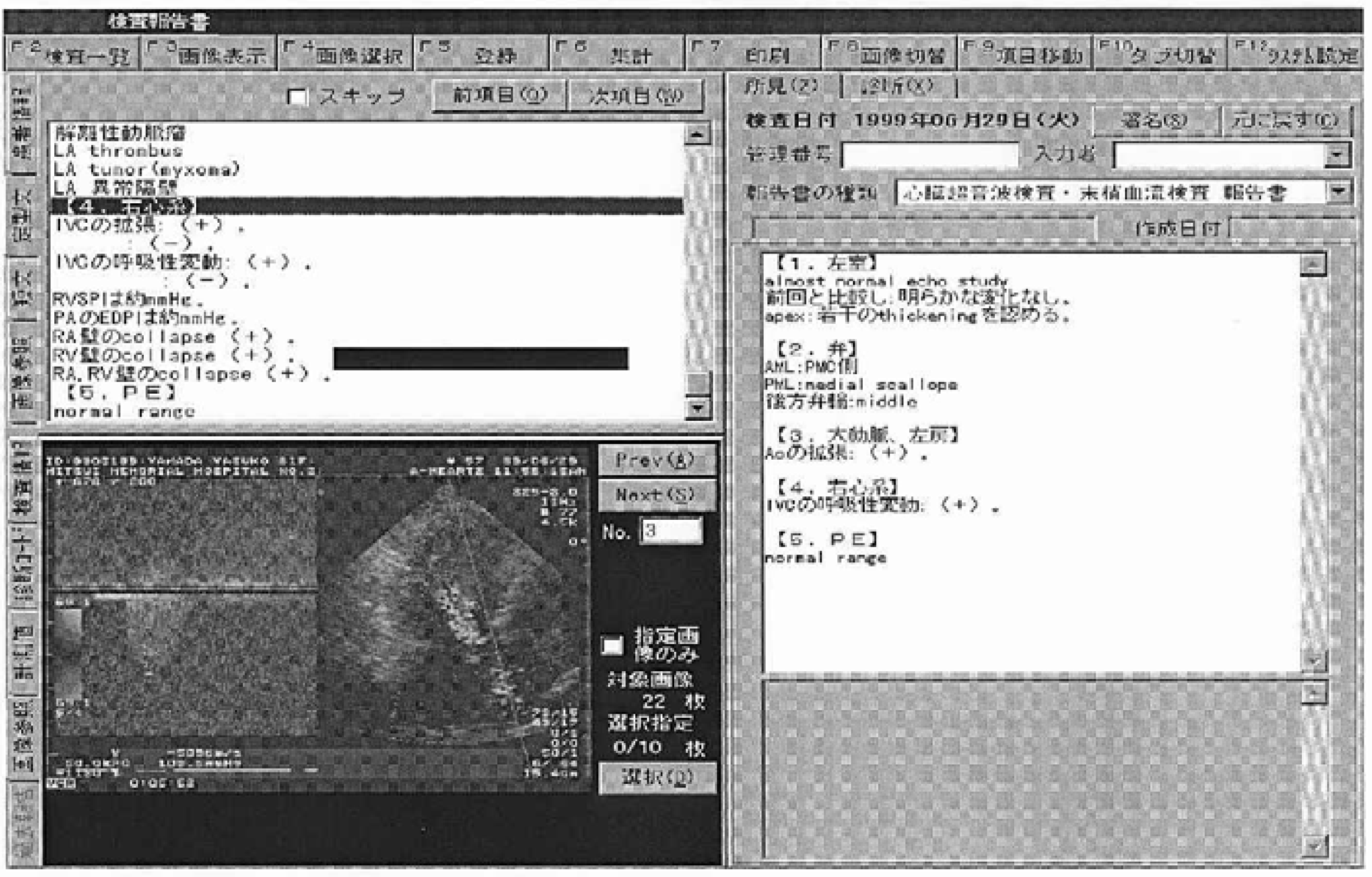
Results of Ultrasound Examination
Following HIPOCLATES and PLATON, our department has already started the GALIREO (Graphic Assistant Laboratory Information Report Operating System) (Figure 12).
In GALIREO, each section of the laboratory department (physiological examination laboratories such as electrocardiogram room, ultra-sonic room, endoscope room, and blood examination laboratories such as blood room, micro biological room, pathological tissue room) is connected by LAN with the pathology department and medical fronts such as the operating department, so that it is possible to view ultrasonic, endoscopic, and pathological images (including peripheral blood, micro biological image) using any terminal. As a result, drastic increases can be made on the speed of diagnoses during operations.
GALIREO summarizes filed image data into one image report form so that various reports can be accessed freely throughout the hospital (i.e., an intranet).
The GALIREO computer network enables us to establish “electronic medical records” which facilitate medical information exchange in and out of the hospital. It also provides high quality examination data to support diagnosis and treatment. This will contribute to better service for patients as well as sound administration of the hospital including financial management.
SUMMARY
Factors to consider when introducing and operating the examination system into medical workplaces are as follows:
It is necessary to establish the image data processing system for electronic medical records with future use in mind.
The above data should not be limited to the closed intranet system, but should be available for Internet usage.
The more data disclosed, the more important it becomes to protect privacy. However to promote communal ownership of data, information disclosure is required (it should be managed under individual control).
It is necessary to provide value added data that includes data from other departments rather than single data reporting.
We should be conscious of who the end-users of the system are, and should develop the system in consultation with them.
Doctors at the clinical level hope that “the quality of treatment will improve and treatment will become more efficient.” This requires access to data beneficial to EBM. And it is this data that the examination laboratory can provide.
The hospital where the authors work plays a pivotal role as one of the major medical facilities covering southern Kyushu and out-lying islands. The computer system introduced in this article is one of the immense responsibilities that our department has. Using this system, we are certain that we will be able to support EBM, which will eventually improve services to our patients and contribute to the increased efficiency of the financial management of medical care (Figure 13).
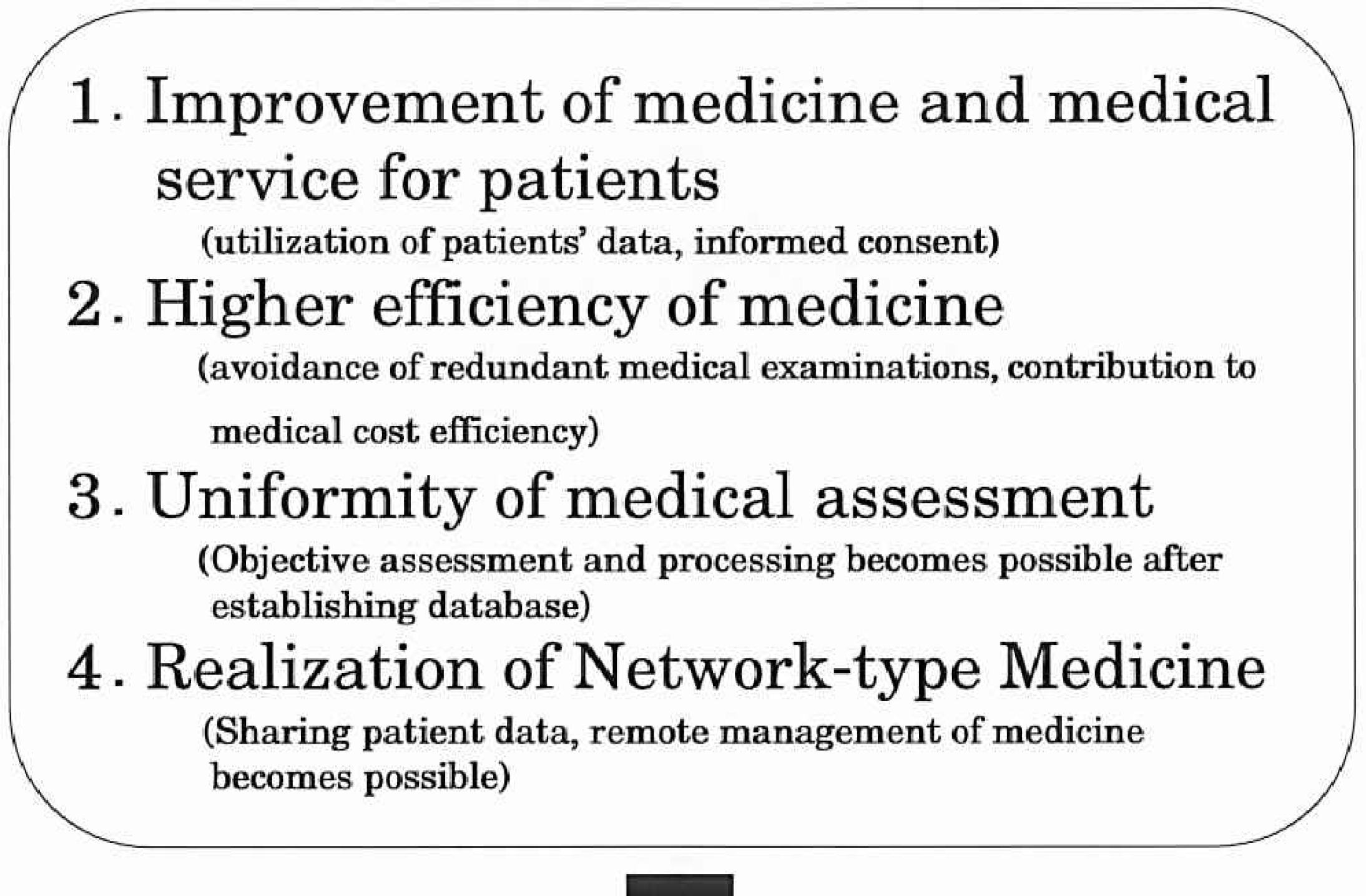
Establishment of electronic medical records
CONCLUSION
The following factors are required to introduce and operate the “medical data system” at the medical workplace.
It is essential to have the continuing commitment of the top manager.
The purpose and definition of the introduction of the system is clear.
Optimal solution choices should be made in introducing the system.
Staff who will be using the system are fully aware of its importance.
There should be a manager who is capable of controlling the system.
When the above factors are well balanced each other, the optimal examination system can be introduced and then further developed for improved efficiency of businesses.
If you are interested in seeing more articles like this in JALA, please email