



Abstract
There are a number of cases in high throughput screening systems where a controlled environment is desired. These include incubation periods for cell-based assays, incubation for protein detection assays such as ELISA or fluorescence assays, and branching assays for mRNA detection. In addition, as the density of wells in microplates increases and well volumes become smaller, evaporation becomes a concern in all assays.
The cytomat® 6000 is a robot accessible, automated CO2 incubator used for cell-based High Throughput Screening systems. The incubator provides superior environmental conditions, due to the unique access door at the back of the instrument, the PlateShuttle (see
The system provides high speed, random (bar-coded) access to all microplate formats for 24, 96, 384 and 1536 well microplates (up to 261-microplate capacity). Other cytomat configurations offer refrigerated and low humidity environments.
SYSTEM DESCRIPTION
The cytomat 6000 series incubators and storage systems are designed similarly to the Heraeus BB6220 CO2 incubators from Kendro Laboratory Products. The systems are internally automated using a carousel and handling system. The carousel includes 9 positions with up to 29 levels on each position. The handling system includes a lift system for the Z-axis and a shuttle system to deliver a microplate from the carousel to the transfer station. The microplate is delivered to the transfer station through a small access opening (the handling system, automatic gate for the 130 × 200 mm opening, and transfer station are known collectively as the PlateShuttle).
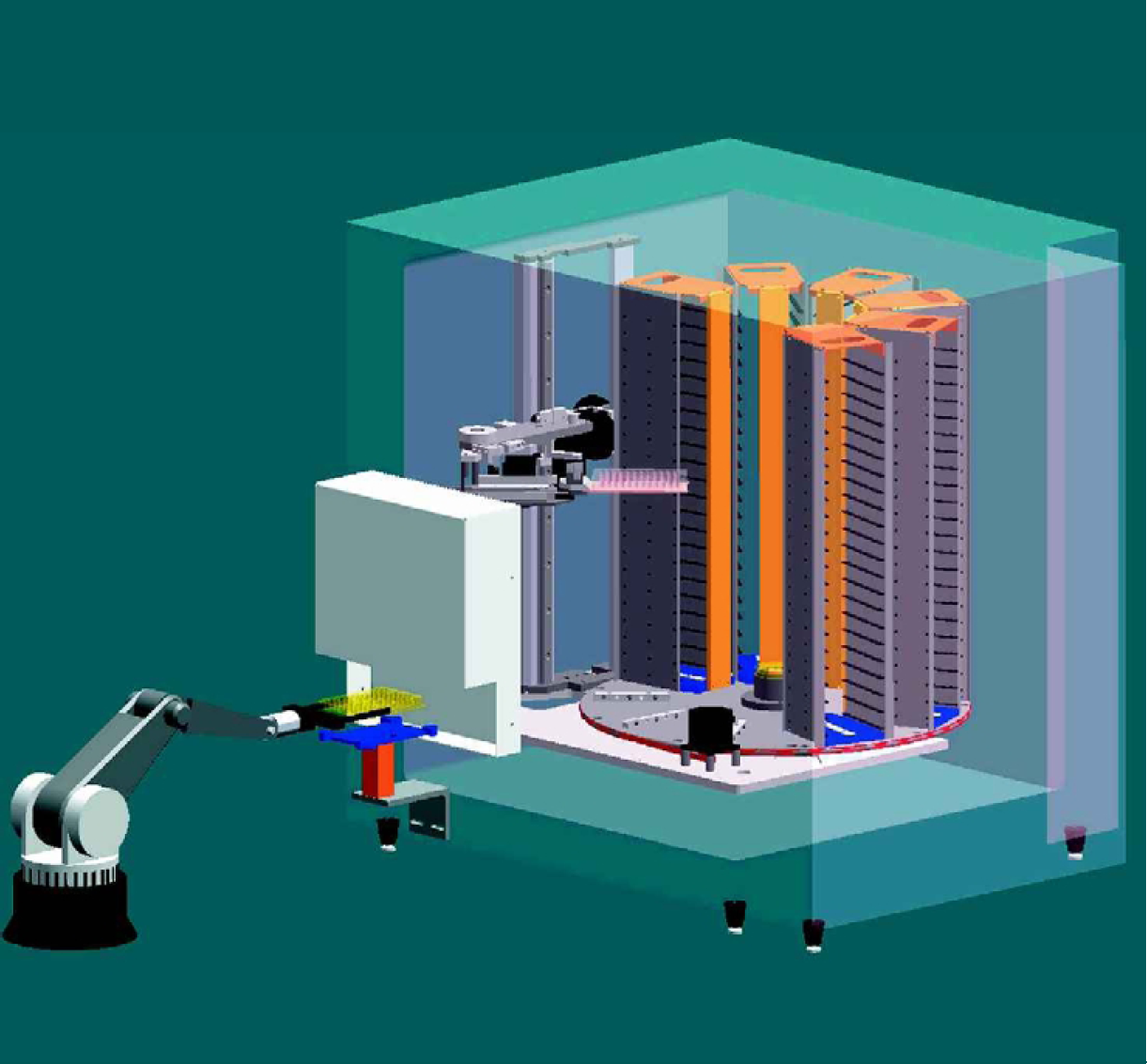
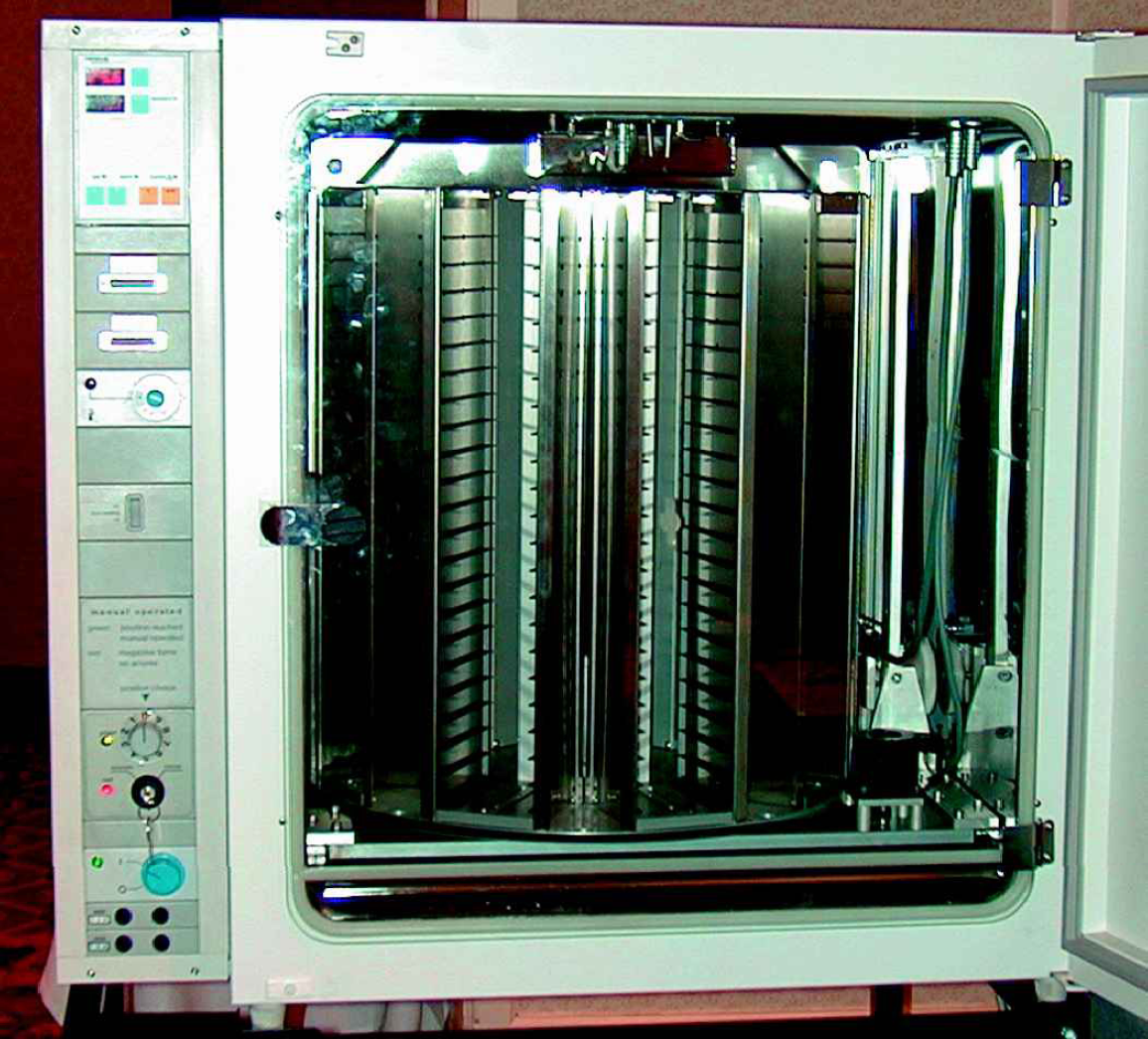
Figure 1 shows the incubator with the front door open and a view of the carousel inside (inner glass door is closed). The incubator and manual control of the automatic system are in the electronics bay on the left side in this photograph.
The PlateShuttle offers a method whereby the environment in the system remains undisturbed as plates are accessed by the plate handling system of any automated assay system.
Figure 2 Temperature set at 37° C drops momentarily to 36.6° C and recovers to set point within 25 seconds.
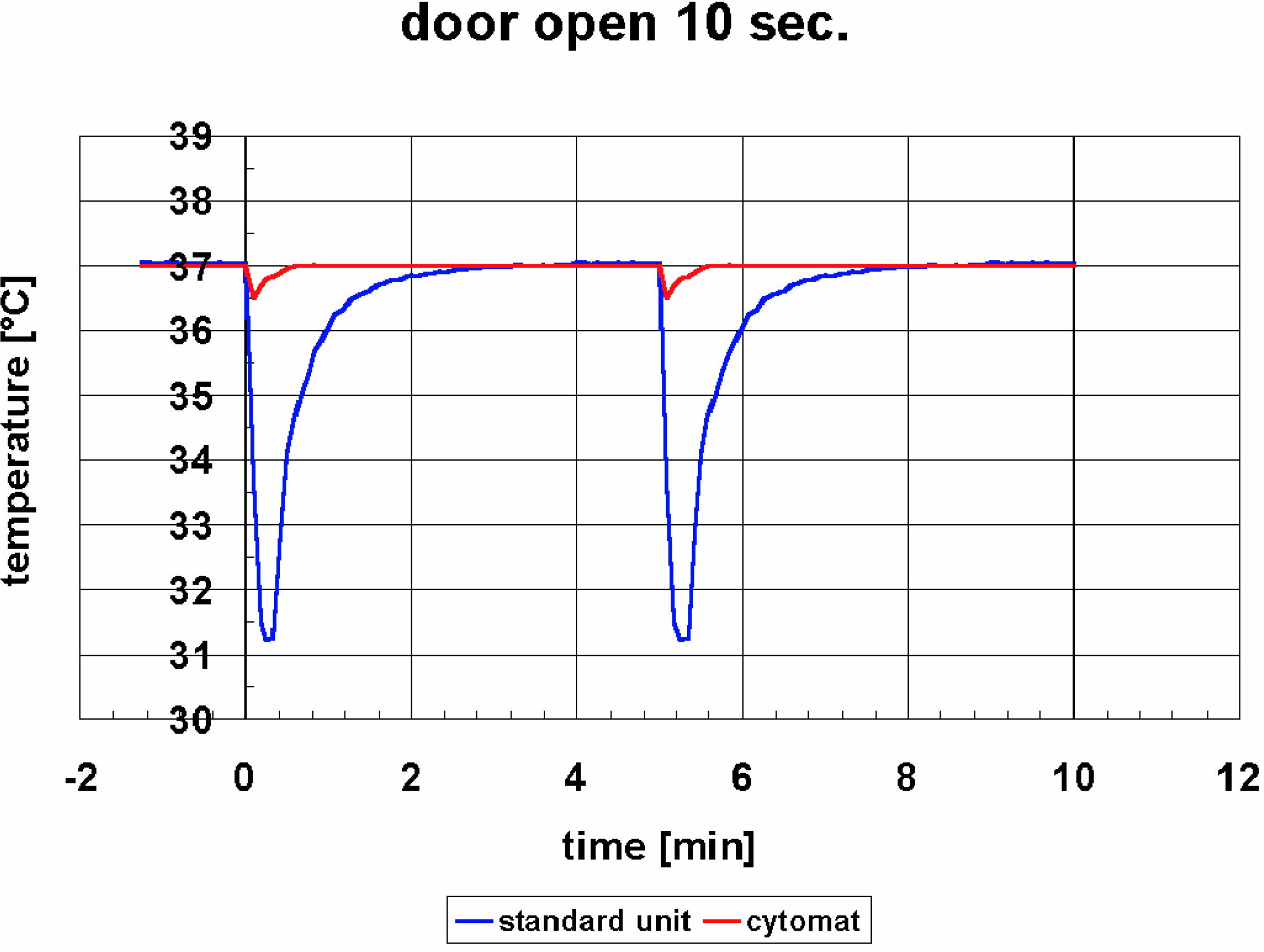
There are similar recovery profiles for both CO2 (at 7%) and Humidity (at 95%).
INTEGRATION
The system is easy to integrate into automated systems, as the Transfer Station provides a single point to integrate into the HTS robotics.
Figure 3, 3a, and 3b show the PlateShuttle and transfer station (at the opposite side of the incubator from the large door). The transfer station is the single point of integration in the HTS system.
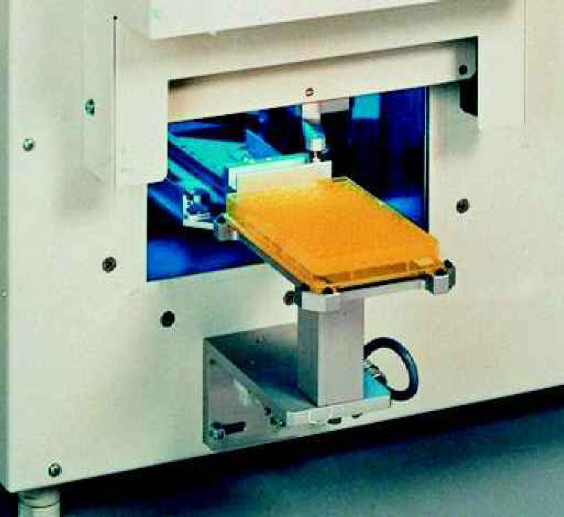


The opening on the gate is 130 mm × 200 mm, and is open for only a very short time, providing the level of control over the environment superior to any other automated incubation system.
Figure 4 and 5 show the carousel, the 21 plate stackers (9 fit on the carousel, only 2 mounted in these illustrations) and the robot arm that is inside the incubator.
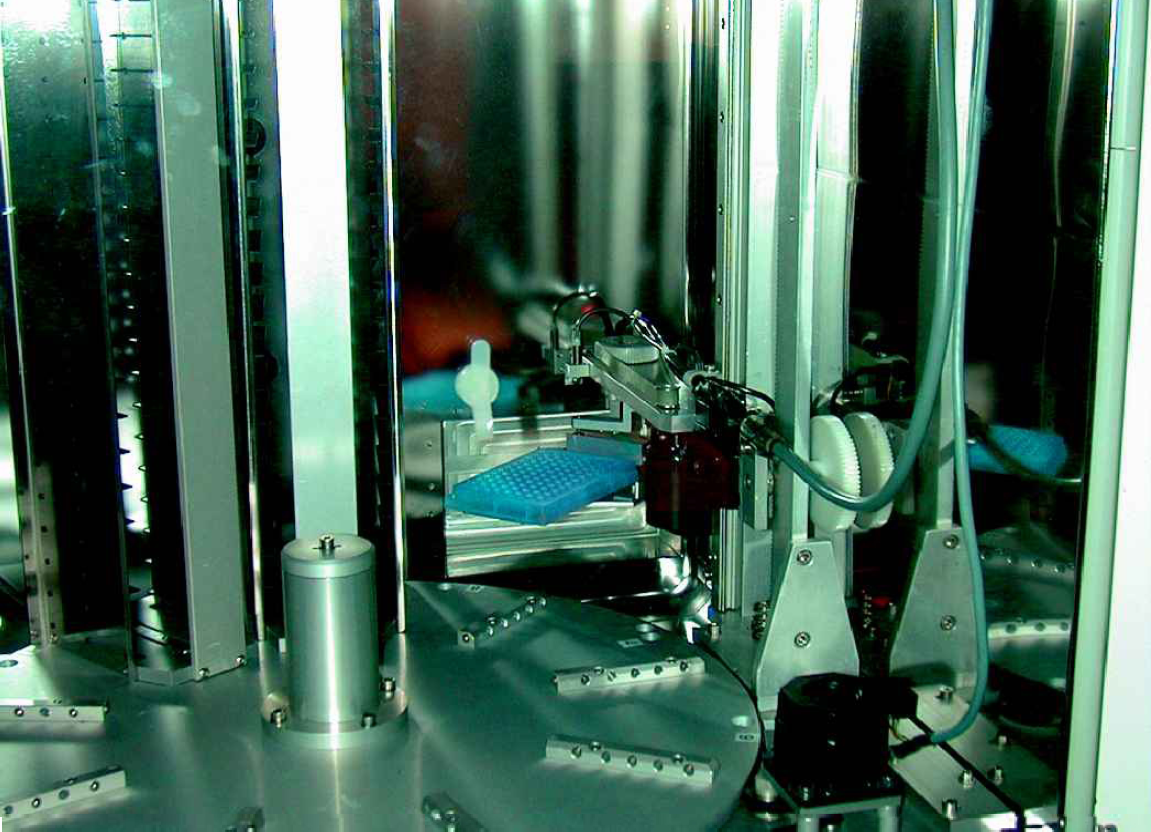
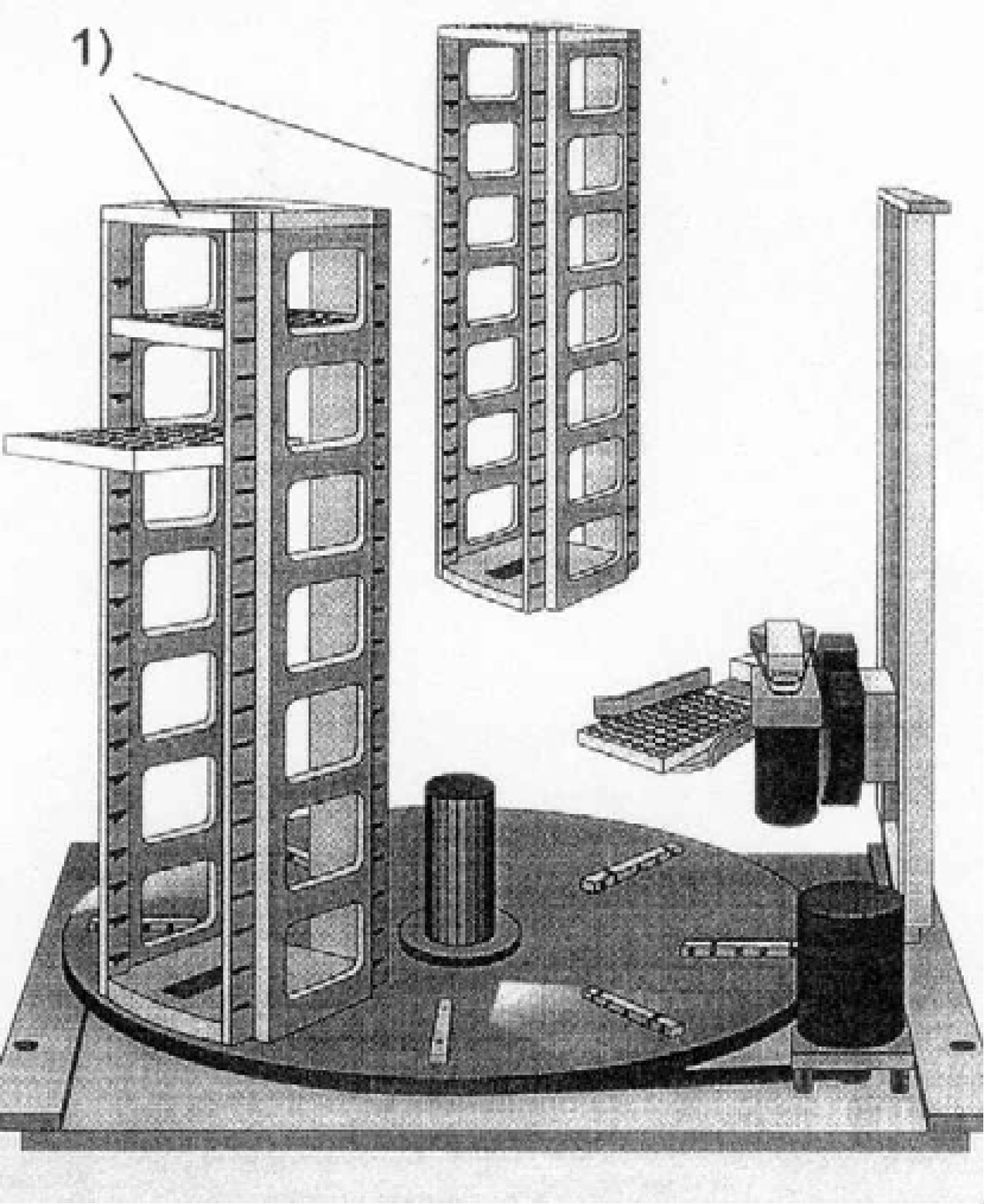
The stackers require no tools for removal or insertion and are easy to load into the chamber.
FEATURES OF THE cytomat ® 6000:
Microprocessor controlled measurement and control (+10° C over ambient to +50° C)
Automated CO2 control with “Auto-Zero-System”
200mm × 130 mm automatic loading slot with robotic lift system and plate handler for automated microplate handling (PlateShuttle)
Heated doors prevent condensation
RS 232 interface to integrate with HTS system
189 place carousel accommodates 24, 96, 384, or 1536 (261 places for shallow well 1536 plates) formats as well as deep wells (option)
cytomat® 6001
Cooled version, +10° C to +50° C, with CO2 control and humidity
cytomat ® 6002
Incubator and storage cabinet, without CO2 control, temperature range from +4° C to +21° C
cytomat ® 6004
Dry storage system, using Nitrogen or dehumidified air to reduce humidity for DMSO-based or other sensitive samples.
MICROPLATE HOTEL
The carousel and robotic arm are also available as a stand-alone “Microplate Hotel” (Figure 6) to use as storage and retrieval for microplates in parts of HTS systems where temperature, humidity and CO2 control are not required.
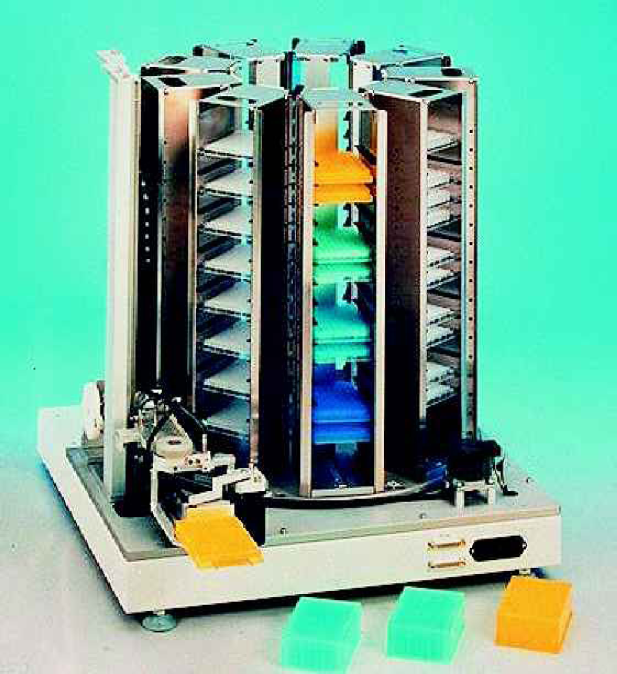
Microplate Hotel
CASE STUDY
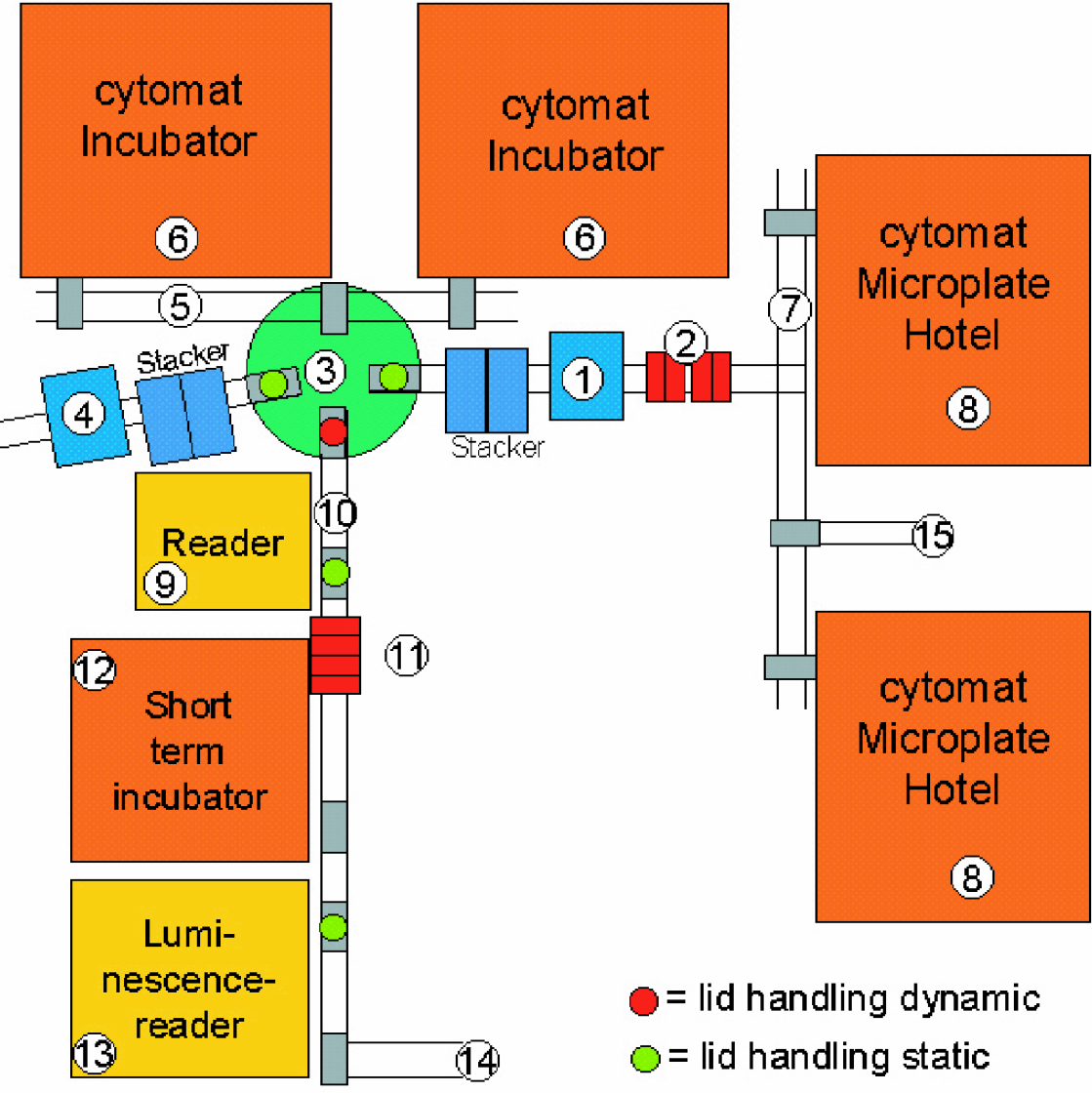
In order to characterize the use of the cytomat 6000 and the MicroPlate in an HTS assay system, two assays were performed: an enzymatic assay for detection of a protease and a cell based assay for detection of a luciferase reporter gene. The assays were performed on the CybiScreen-Machine (CyBio AG, Jena, Germany). The assays were configured as follows:
ENZYMATIC ASSAY
Provide the compound plate from a hotel (8)
Provide the assay plate from an incubator (6)
CyBi-Drop 1 (2): add positive and negative control into column 3 and 4 of the compound plate
CyBi-Well 1 (1): aspirate buffer solution from a reservoir, dilute the compounds with buffer solution on the compound plate and mix, aspirate the diluted compounds
CyBi-Well 1 (1): transfer the diluted compounds to the assay plate
CyBi-Well 1 (1): wash the pipetting tips
Plate disposal II (15): dispose of compound plate
CyBi-Well 2 (4): add substrate solution to the assay plate
CyBi-Well 2 (4): wash the pipetting tips
CyBi-Drop 3 (11): add enzyme solution to the assay plate
Reader (9): reading of the assay plate (1 min)
Short time incubator (12): incubation of the assay plate (60 min)
Reader (9): reading of the assay plate (1 min)
Plate disposal I (14): dispose of the assay plate
CELL BASED ASSAY
Provide the compound plate from a hotel (8)
Provide the assay plate from an incubator (6)
CyBi-Well 2 (4): add cell solution to the assay plate
CyBi-Drop 1 (2): add positive and negative control into column 3 and 4 of the compound plate
CyBi-Well 1 (1): aspirate buffer solution from a reservoir, dilute the compounds with buffer solution on the compound plate and mix, aspirate the diluted compounds
CyBi-Well 1 (1): transfer the diluted compounds to the assay plate
CyBi-Well 1 (1): wash the pipetting tips
Plate disposal II (15): dispose of compound plate
Incubator (6): incubation of assay plate for 24 h
CyBi-Well 2 (4): add lysis buffer to the assay plate
CyBi-Drop 3 (11): add substrate solution to the assay plate
Reader (9): reading of the assay plate (1 min)
Plate disposal I (14): dispose of the assay plate
RESULTS
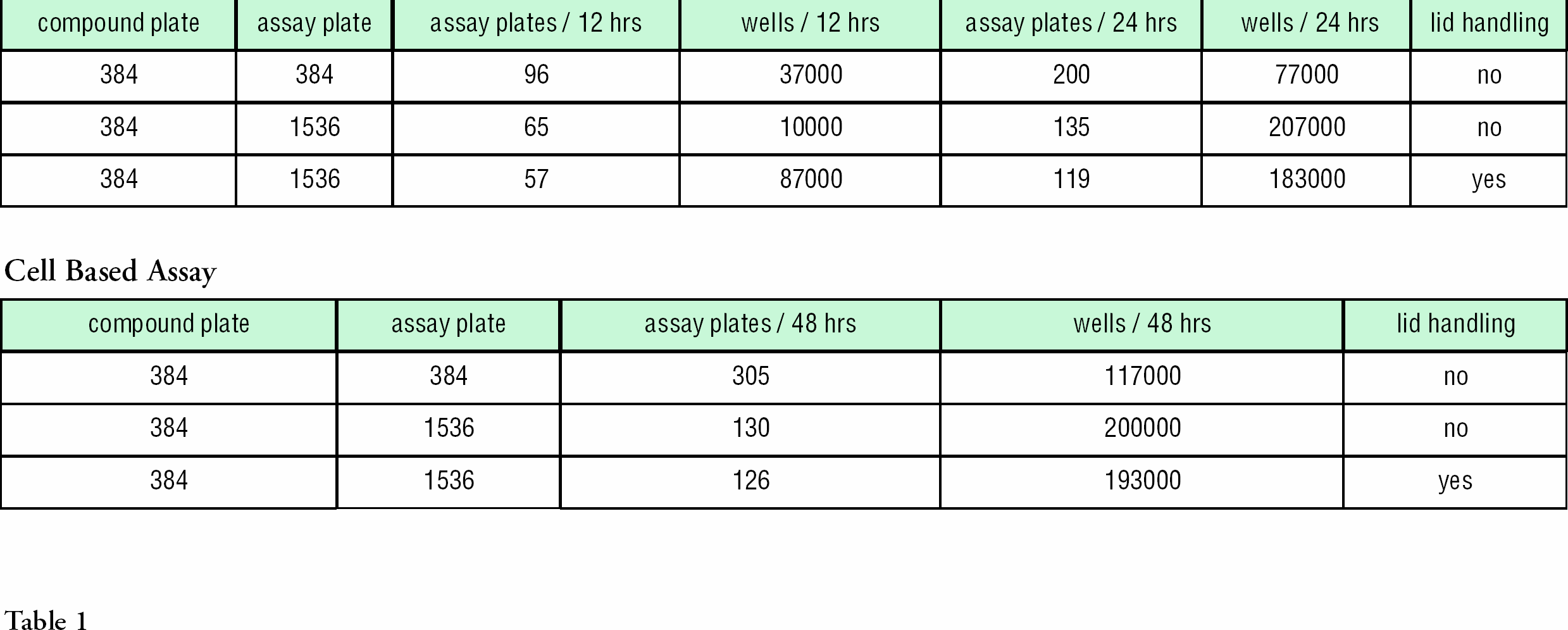
Using the protocol described above on the hardware systems that is shown in Figure 7, the above throughput results were achieved (
SUMMARY
Using the innovative PlateShuttle system, the Heraeus cytomat incubators and storage devices enable the HTS lab to achieve consistent and reliable results where environmental control is indicated. In addition, the Microplate Hotel offers a convenient random access staging point for microplates onto the HTS automation deck.
The entire line of cytomat products is easy to integrate into all automated systems, including track and conveyor system, 3 axis gripper systems and articulated arm automated assay systems. ▪